World Day for Glaciers: Global action to protect Earth's water towers
هذا الخبر من CGTN EN. خبر يقدم أدوات ذكاء اصطناعي للتلخيص والترجمة والاستماع.
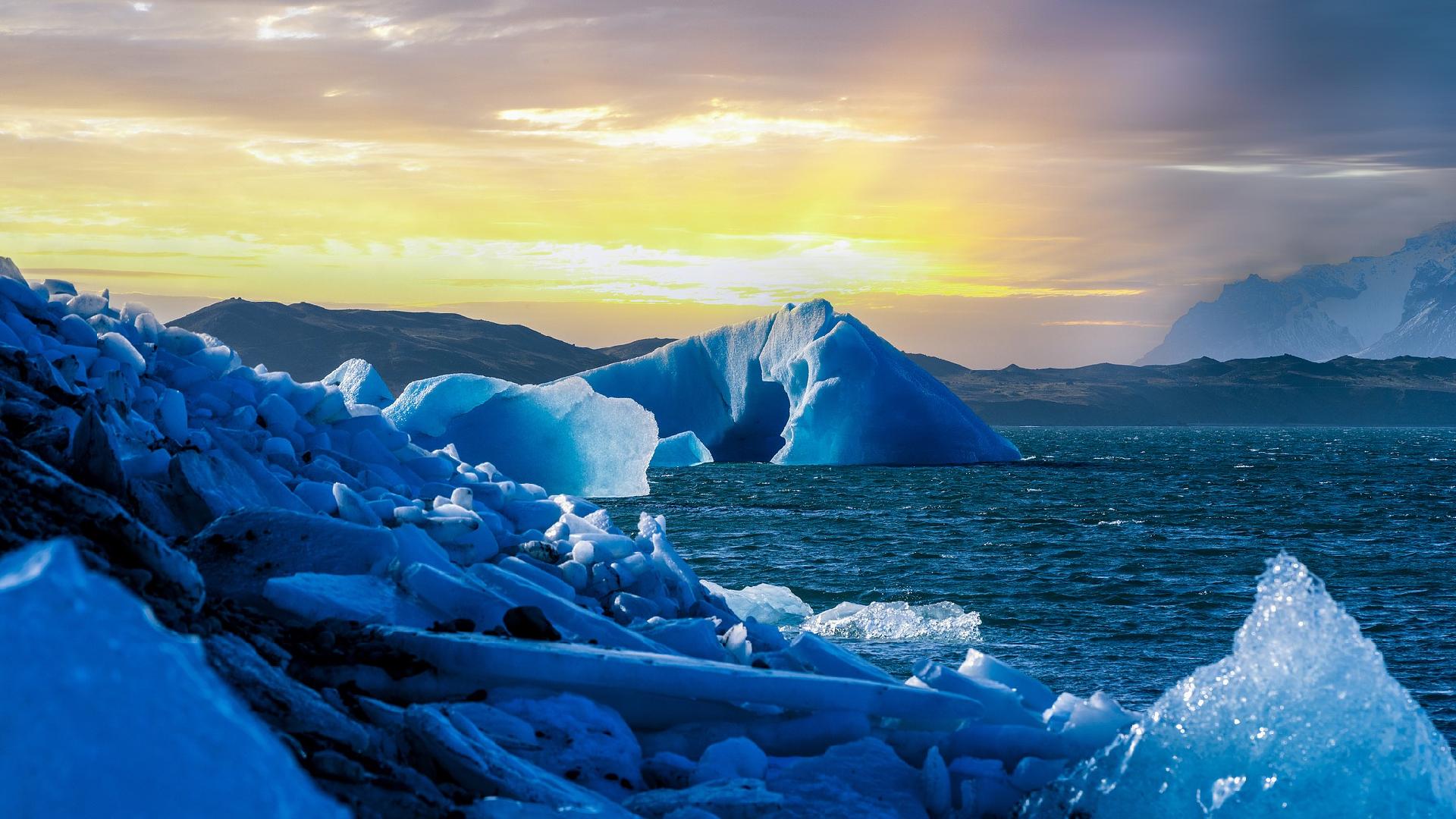
المصدر: CGTN EN | Source: CGTN ENMarch 21 marks the World Day for Glaciers. Glaciers are essential to Earth's ecosystem. They serve as freshwater reservoirs, regulate sea levels and support biodiversity.
Glaciers act as nature's water towers, storing about 70% of the world's freshwater. Their seasonal meltwater supports rivers, forests and farmlands.
However, rising global temperatures are accelerating glacier melting, and rapid glacier loss is already affecting communities worldwide.
Germany's four remaining glaciers lost more than a quarter of their total area in just two years, according to new measurements conducted by geographer Wilfried Hagg from Munich University of Applied Sciences and glaciologist Christoph Mayer from the Bavarian Academy of Sciences.
A year of action concludes
The United Nations Educational, Scientific and Cultural Organization (UNESCO) and the World Meteorological Organization (WMO) marked the conclusion of the International Year of Glaciers' Preservation on March 18-19 at UNESCO Headquarters in Paris, alongside World Water Day celebrations.
"Protecting glaciers is not only about ice. It is about water, safety, ecosystems and the future of millions of people," said WMO Secretary-General Celeste Saulo.
The International Year brought together 400 organizations, elevated glacier policy visibility and launched the Decade of Action for Cryospheric Sciences (2025-2034) – a longer-term framework to shift from awareness to coordinated action.
The accelerating crisis
The numbers are stark. According to WMO, the 2022-2024 period saw the largest three-year loss of glacier mass on record. Five of the past six years witnessed the most rapid glacier retreat ever recorded.
Global glaciers have lost more than 9,000 billion tonnes of ice since 1975 – equivalent to an ice block the size of Germany, 25 meters thick. Since 2000, the world has lost an average of 273 billion tonnes of ice annually.
In February 2026, researchers documented the fastest glacier collapse ever recorded in Antarctica. The findings, published in Nature Geoscience, underscore the accelerating pace of change.
What's at stake
Glacier melt contributes 25% to 30% of sea level rise. Each millimeter of rise exposes 200,000 to 300,000 more people to flooding annually.
The Himalayas – known as the world's "third pole" – supports over 2 billion people. As glaciers retreat, water security for agriculture, drinking and energy generation are increasingly at risk.
"We cannot stop glacier melt. And we cannot stop every hazard, but we can prepare for them through science-based monitoring, forecasting and early warning systems," Saulo said.
ملاحظة تحريرية | Editorial Note: نُشر هذا المقال في الأصل بواسطة CGTN EN. خبر (Khabr) هي منصة إعلامية أردنية مرخّصة تعمل بالذكاء الاصطناعي. نضيف قيمة تحريرية من خلال: تحليل ذكي للأخبار، ملخصات تلقائية، رواية صوتية بالذكاء الاصطناعي، ترجمة متعددة اللغات، وتدقيق الحقائق. هدفنا جعل الأخبار أكثر وضوحاً وسهولةً للقارئ العربي.
This article was originally published by CGTN EN. Khabr is a licensed Jordanian AI-powered news platform (Registration #82086). We add editorial value through: AI-powered news analysis, automated summaries, AI audio narration, multi-language translation (Arabic, English, French, Turkish), and AI fact-checking. Our mission is to make news more accessible and understandable for Arabic-speaking audiences worldwide.