علوم
3411 مقال

Bombardier beetle carries its own chemical bomb against predators
Bombardier beetles possess a unique defense mechanism involving explosive chemical sprays. These insects mix chemicals to create a hot, noxious spray for protection. Their specialized internal structures allow them to survive these powerful self-inflicted explosions. Bombardier beetles can fire their chemical bombs multiple times before needing to escape. These fascinating insects have evolved remarkable adaptations for survival in various ecosystems.
Insect-eating plant proves Darwin’s 150-year-old theory right
A breakthrough in plant science has validated Charles Darwin's historic conjecture surrounding carnivorous Saxifraga species. Researchers discovered that these plants ensnare small gnats with sticky hairs, emitting fragrances that lure their prey. Chemical tests confirmed that insects provide essential nutrients upon capture, as showcased by isotope labeling. This pivotal finding sheds light on the complex interactions and nutritional strategies of plant carnivory in mountainous regions.

The underground lab where ‘princess mosquitoes’ are treated like royalty
Beneath the streets of London, native British mosquitoes are being bred for the first time to help scientists get ahead of disease threats
Over half of infected Caribbean corals resisted widespread bleaching
In the Caribbean, researchers are exploring the use of predatory bacteria as a means to combat coral diseases. Laboratory tests have demonstrated that these microscopic bacteria can successfully eliminate harmful Vibrio bacteria while preserving the coral's vital microbiome. This promising method provides a focused mechanism to defend corals against disease. However, additional field trials are necessary for its application in conservation efforts.
Wooden packaging drove most US woodwasp interceptions, study finds
Wooden packaging serves as the primary channel for introducing woodwasps across the globe. A thorough investigation reviewed decades of border inspection data from three different nations. Findings revealed that almost all interceptions were associated with pallets, crates, and other dunnage utilized in shipping. The evolution of trade routes has affected the source of these intercepted woodwasp species. Consequently, maintaining international regulations on wooden packaging is vital for enhanci...
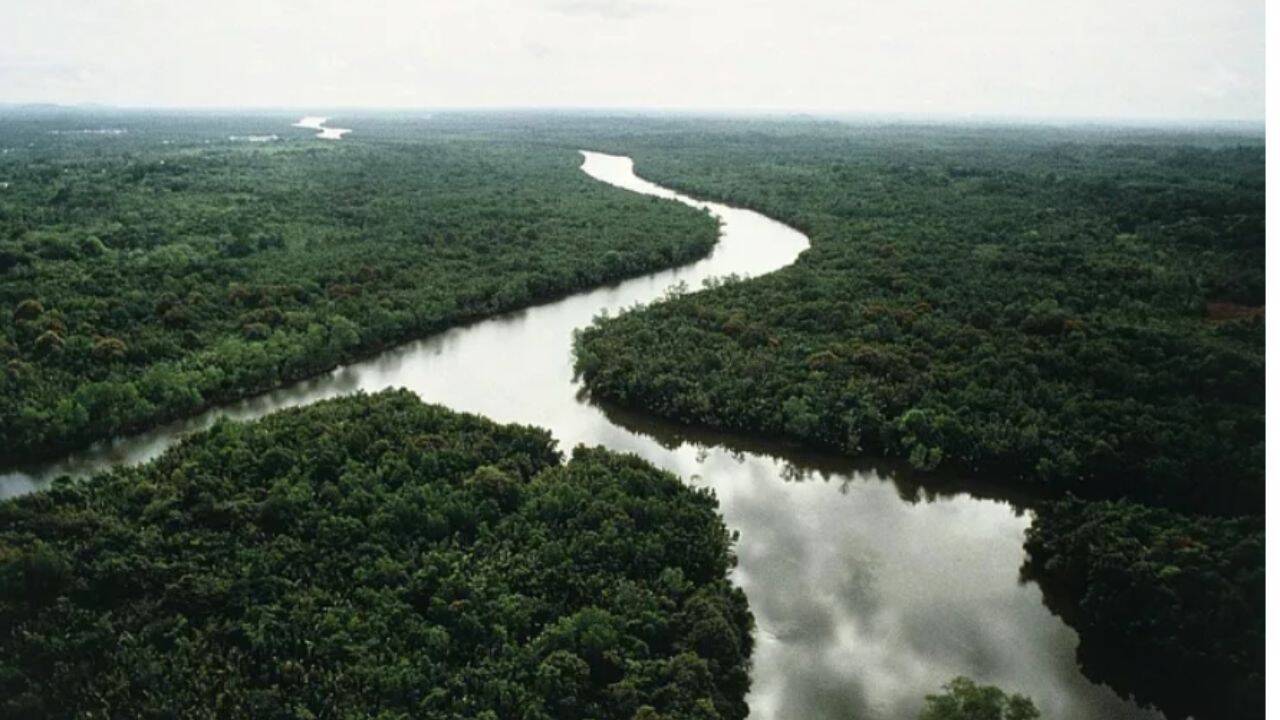
China’s native-tree islands restored only part of a damaged forest
A 20-year study in southwest China found that planting small patches of native trees can help restore damaged tropical forests without planting entire landscapes. The approach successfully rebuilt forest cover, but researchers found that biodiversity and mature forest conditions recovered much more slowly, showing that long-term restoration still requires sustained effort.
Scientists discover seven new diamond frog species in Madagascar
Scientists have identified seven new diamond frog species in Madagascar. These discoveries highlight the island's extensive undocumented wildlife and hidden diversity. Modern genetic tools and traditional anatomy revealed evolutionary differences previously unseen. Many of these frogs inhabit small, isolated ranges, emphasizing conservation needs. This finding underscores Madagascar's ongoing biological mysteries and the importance of habitat protection.
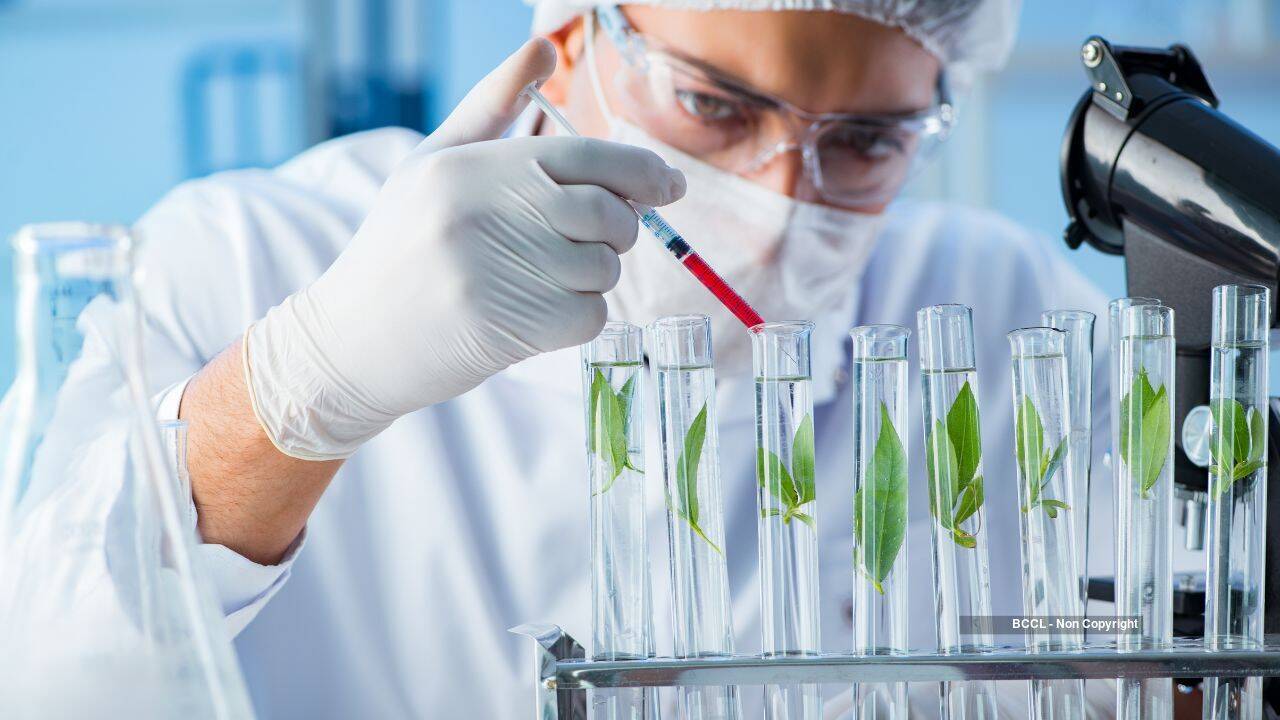
Deadly plants reveal six enzymes that could help create new medicines
Some of the world’s most dangerous plants may also be among its most useful. Researchers have now identified a key set of enzymes in wolfsbane and larkspur that could help scientists recreate difficult-to-synthesize natural compounds in the lab, opening new doors for future medicines.
Snail declared extinct in 1996 returns to Norfolk Island after 30 years
Campbell's keeled glass snails have reached a major conservation milestone on Norfolk Island. Over one thousand critically endangered snails have now been released onto the island. This marks a significant comeback after the species was presumed lost for decades. The successful recovery program involved extensive collaboration and captive breeding efforts. Researchers will continue monitoring the snails to ensure population growth and survival.

When Jeff Bezos helped Amazon rainforest charity after Google Ads dispute
A campaign to protect one of the world's most important rainforests took an unexpected turn when conservationist Paul Rosolie revealed that his organisation, Junglekeepers, had difficulty using the word "Amazon" in Google Ads while promoting its work. Frustrated by what he described as an automated trademark-related obstacle, Rosolie turned to Amazon founder Jeff Bezos through Instagram, asking for help.
Scientists discover Greenland sharks can see for centuries, debunking blindness myth
Recent studies reveal that Greenland sharks possess well-preserved visual systems that can last for centuries, challenging the previous notion that they were nearly blind. Research shows that their eyes are uniquely suited for low-light environments, demonstrating impressive adaptability. Scientists found healthy rod cells and active genes responsible for light detection, indicating these sharks have a remarkable ability to maintain their eyesight throughout their extended lifespans.
Watch: Guatemala on high alert as Fuego volcano erupts near capital
Guatemalan authorities declared a nationwide orange alert on Monday evening as Central America's most active volcano erupted, generating pyroclastic flows and prompting the evacuation of nearby villages.

Species-rich forests improve faster; biodiversity loss may cut gains 17%
Forests with more tree species appear to be improving faster over time, according to a new global study published in Nature Climate Change. doi.org/10.1038/s41558-026-02698-7
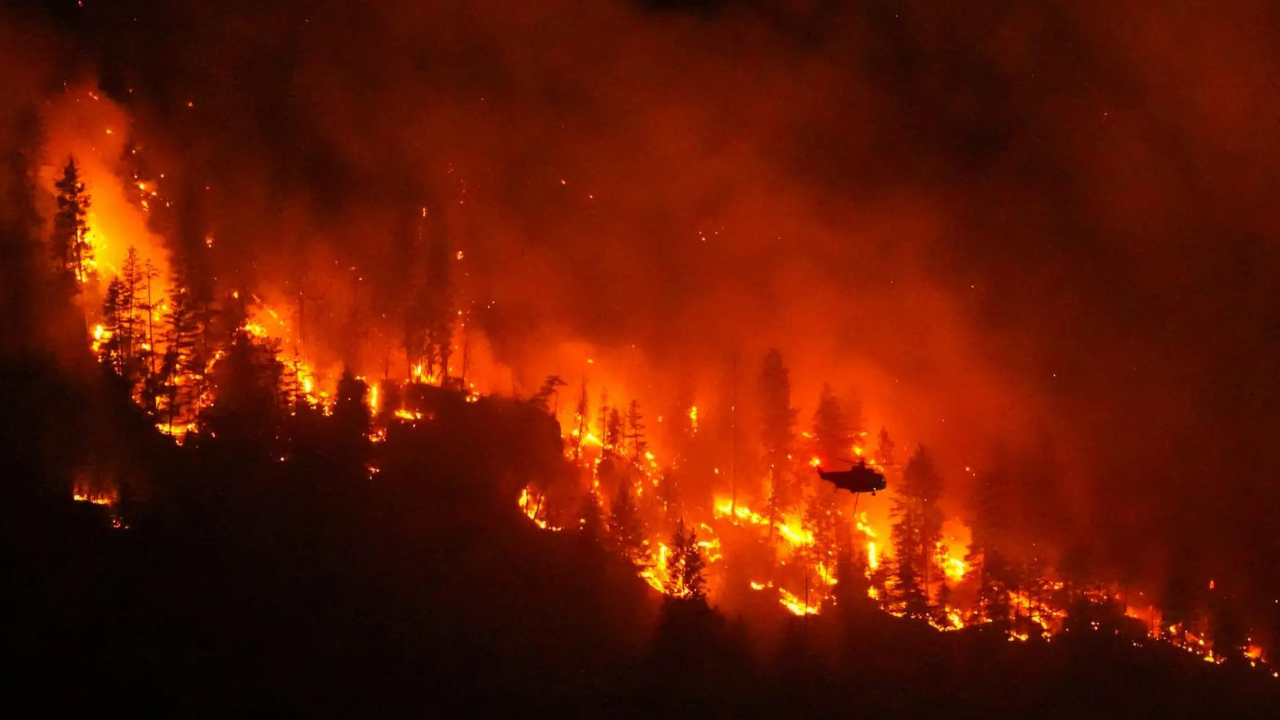
As France sees its first fire cloud, should India be worried?
France witnessed its first pyrocumulonimbus fire cloud event in July 2026. This phenomenon occurs when intense wildfires create their own thunderstorms. India's rising temperatures and dry spells increase forest fire frequency. While India has not reported fire clouds, its forests are becoming more flammable. The Himalayan pine belt presents the highest potential for such an event in India.
Four dangerous fish bacteria found in Brazil; one jumps to new host
For the first time, Brazil faces a significant challenge as bacteria previously exclusive to Asia and the USA have been identified within its borders. These bacteria, known to cause columnaris disease, pose an acute risk to the thriving aquaculture sector. Researchers have isolated four species from the Flavobacterium genus, which can infect both Nile tilapia and indigenous fish species.
Scientists warn Earth could hit the 1.5°C climate limit sooner than expected
Global warming has significantly accelerated, with the past decade warming faster than any comparable period. Researchers removed natural climate fluctuations to reveal this underlying warming trend. Five major global temperature datasets confirm this acceleration with high statistical confidence. This observed increase suggests the world may approach key climate thresholds sooner. The long-term trend could cross the Paris Agreement's 1.5°C limit before this decade ends.
Hungary comes ‘within millimetres’ of shutting down nuclear power plant amid drought crisis – Europe live
PM Péter Magyar says country nearly forced into decision as extreme heat and low water levels in Danube pose challenges in regionHungary has come “within millimetres” of having to shut down its nuclear power plant overnight, prime minister Péter Magyar said, as low water levels in the Danube continue to pose challenges for countries in south-eastern Europe.“Around 1:30 a.m. we were a few millimetres away from completely shutting down the Paks Power Plant, but then the water level stopped fallin...

Trump administration sued by 25 states over new tariffs on trading partners
The states claim the new levies are a pretext to re-impose tariffs that were ruled illegal by the US Supreme Court.

After years of debate, former COVID response coordinator acknowledges pandemic source 'probably a lab leak'
Former Biden White House COVID-19 Response Coordinator Dr. Ashish Jha revealed in a Sunday interview on CNN that he believes COVID-19 was likely caused by a lab leak.During the interview with CNN's Dana Bash, she highlighted how Jha had retweeted commentator Jamie Metzl’s lengthy social media post saying he believed COVID-19 originated from a lab leak at the Wuhan Institute of Virology.While the lab leak theory was widely disputed early in the pandemic and some social media platforms restricted...

These are some of the last pristine ocean ecosystems. Now, they're losing protections
The largest conservation areas in the U.S. are in the Pacific Ocean, where tiny islands are epicenters of biodiversity. The Trump administration is now opening their waters to commercial fishing, sparking a battle over some of the country's most pristine ecosystems.