Renaissance artist uncovered hidden science breakthrough 400 YEARS before today's researchers
•A Renaissance artist knew about - and painted - a modern scientific breakthrough some 400 years before today's researchers, a study has found.
•One of Jan Brueghel the Elder's 17th-century works shows a ravenous bat eating a bird, a behaviour which has only been observed in recent years.Research published in the Proceedings of the National Ac...
•TRENDING Stories Videos Your Say For generations, zoologists thought accounts of bats preying on migratory birds were just rumous.But the 400-year-old artwork may have captured the phenomenon cen...
هذا الخبر من GB News. خبر يقدم أدوات ذكاء اصطناعي للتلخيص والترجمة والاستماع.
المصدر: GB News | Source: GB NewsA Renaissance artist knew about - and painted - a modern scientific breakthrough some 400 years before today's researchers, a study has found.
One of Jan Brueghel the Elder's 17th-century works shows a ravenous bat eating a bird, a behaviour which has only been observed in recent years.
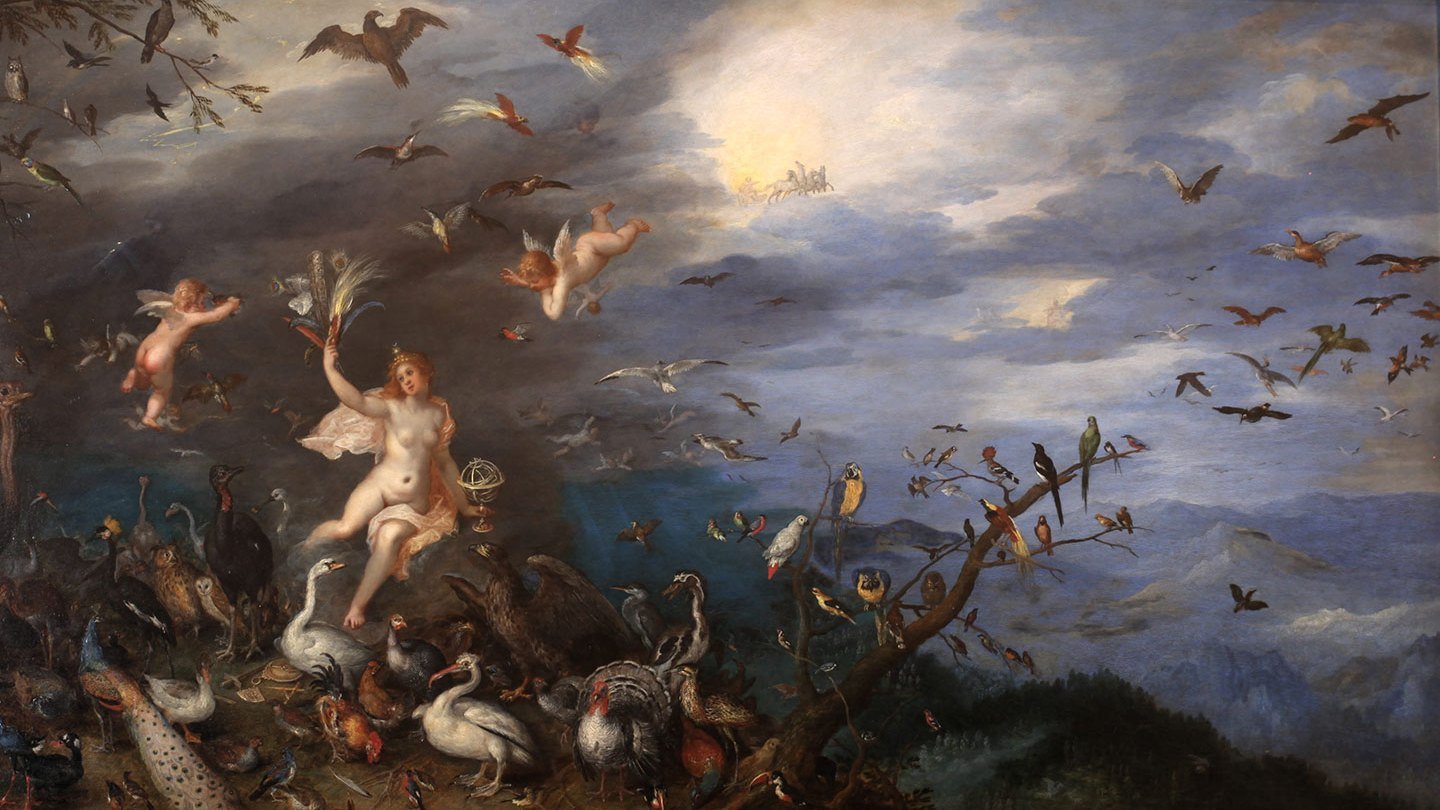
Research published in the Proceedings of the National Academy of Sciences (PNAS) titled "Natural history on canvas: Brueghel knew about bird-eating noctule bats," examines an oil-on-copper work called "Air" completed in 1611.
Within the painting, researchers were shocked to find a greater noctule bat depicted with a songbird gripped in its jaws.
TRENDINGStoriesVideosYour SayFor generations, zoologists thought accounts of bats preying on migratory birds were just rumous.
But the 400-year-old artwork may have captured the phenomenon centuries before modern science accepted it.
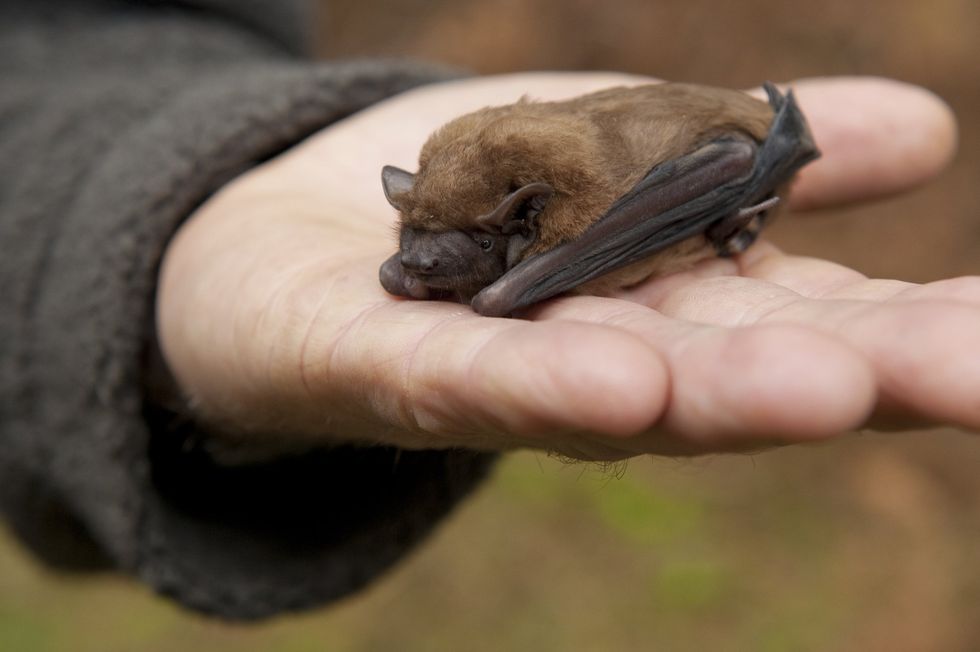
Greater noctule bats hunt high in the air under the cover of darkness, where ground-based observation proves virtually impossible.
Researchers had long relied on indirect evidence gathered from roosting locations to piece together the species' dietary habits.
Only within the past year did field biologists confirm this predatory behaviour through advanced technology.
International research teams fitted wild greater noctule bats with miniature data-recording backpacks that tracked altitude, velocity, and acoustic information as the animals executed steep dives to capture migrating songbirds mid-flight.
Spanish ecologist Pedro Romero-Vidal made the new discovery while investigating historical wildlife representations in classical artworks.
Examining the upper portion of Brueghel's canvas, he found the bat and bird in a densely-populated scene, featuring more than 60 identifiable flying species.
READ MORE SCIENCE BREAKTHROUGHS:
- Swimmer dies after being ripped limb-from-limb by alligator in blood-curdling attack in front of friends
- First dinosaur fossil from Antarctica found in drawer after lying forgotten for 40 years
- Boy, 12, struck by 900kg bison in shocking attack as child rushed to hospital
Dr Romero-Vidal described a sizeable bat unmistakably shown clutching a small feathered bird within its mouth.
The creature's physical characteristics strongly match the greater noctule species, he explained.
According to the researcher, the mammal's compact rounded ears, slender wing structure, and characteristic reddish-brown fur colouration could be seen clearly.
These distinctive markers enabled the ecologist to identify the species with confidence, despite the painting's age and abstract nature.
Dr Romero-Vidal pointed to the precision and accuracy of the artwork, raising compelling questions about its origins and relevance to modern science.
Brueghel was renowned for his commitment to naturalistic representation, frequently visiting royal animal collections and seeking guidance from early natural historians to render specimens accurately.
Historical documentation reveals the artist undertook extensive journeys through Italy, where greater noctule bat populations remain considerably larger and more prevalent than in his Belgian homeland.
This geographical connection suggests Brueghel may have witnessed the bird-hunting behaviour firsthand during his Italian travels, recording an ecological observation that would take science another four centuries to confirm.
Our Standards: The GB News Editorial Charter

ملاحظة تحريرية | Editorial Note: نُشر هذا المقال في الأصل بواسطة GB News. خبر (Khabr) هي منصة إعلامية أردنية مرخّصة تعمل بالذكاء الاصطناعي. نضيف قيمة تحريرية من خلال: تحليل ذكي للأخبار، ملخصات تلقائية، رواية صوتية بالذكاء الاصطناعي، ترجمة متعددة اللغات، وتدقيق الحقائق. هدفنا جعل الأخبار أكثر وضوحاً وسهولةً للقارئ العربي.
This article was originally published by GB News. Khabr is a licensed Jordanian AI-powered news platform (Registration #82086). We add editorial value through: AI-powered news analysis, automated summaries, AI audio narration, multi-language translation (Arabic, English, French, Turkish), and AI fact-checking. Our mission is to make news more accessible and understandable for Arabic-speaking audiences worldwide.