New DNA evidence could change our understanding of how humans settled and spread in South America as research has revealed long-distance migration began centuries earlier than previously thought.
An international research team uncovered evidence that extensive coastal migration in Peru began at least eight centuries ago, well before the Inca Empire rose to power.
The findings, published in Nature Communications, challenge previous assumptions about the mobility of pre-Inca societies along the Pacific coastline.
Scientists combined ancient DNA analysis with archaeological and historical records to demonstrate that communities living before Inca rule, which lasted from AD 1400 to 1532, were considerably more interconnected than historians had believed.
The study represents some of the most compelling proof yet of population movement along Peru's coast prior to Inca dominance.
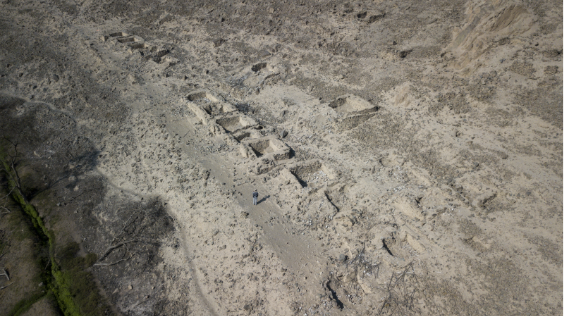
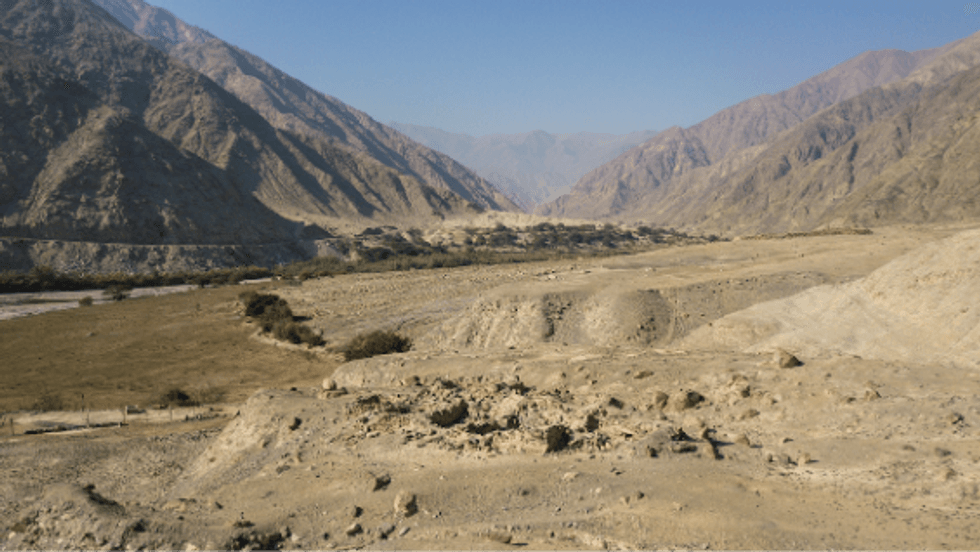
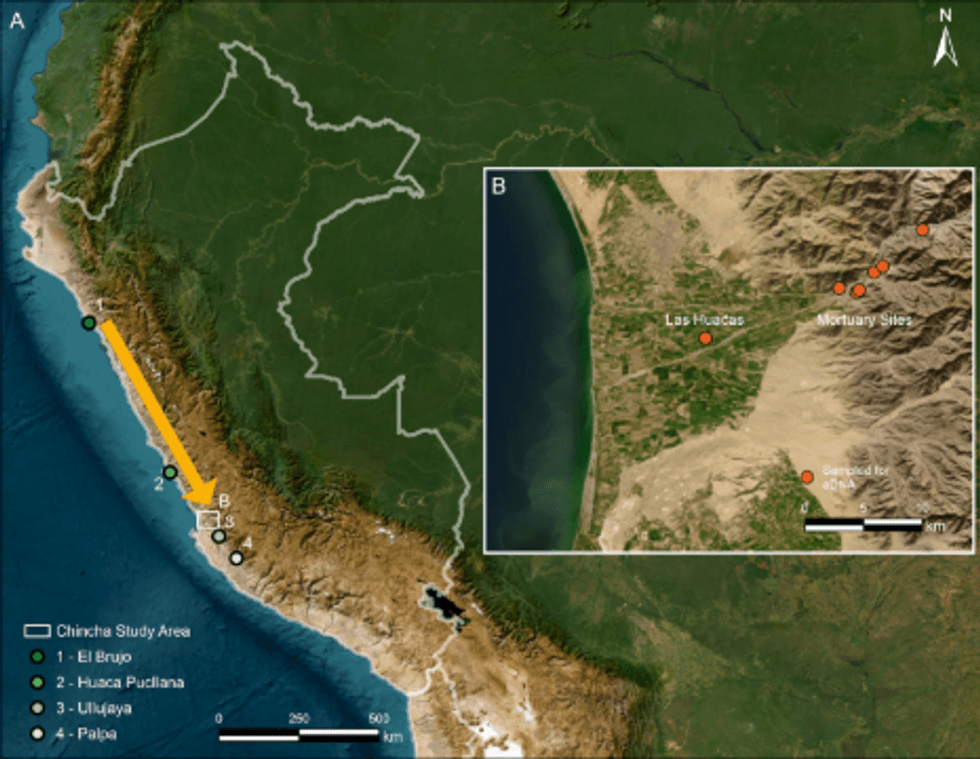
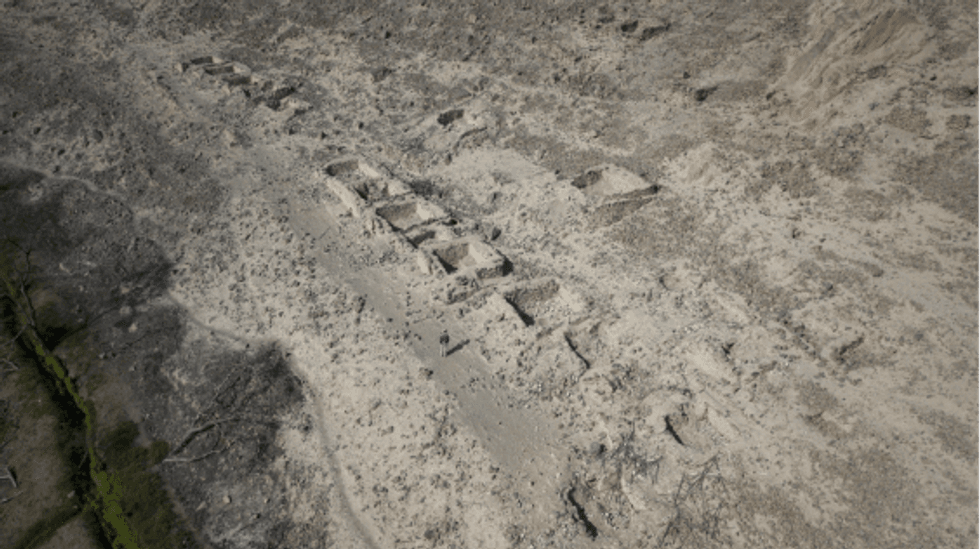
Researchers extracted and examined ancient DNA (aDNA) from 21 individuals discovered at burial sites in the Chincha Valley of southern Peru.
Genome-wide data combined with radiocarbon dating revealed the individuals had reached the valley by the 13th century AD, arriving long before Inca expansion into the region.
Dr Jacob Bongers, a digital archaeologist at the University of Sydney, said: "Their ancestry traced back to the Peruvian north coast, more than 700 kilometres away, and the aDNA of these early migrants revealed no evidence of mixing with local populations."
This genetic analysis enabled the team to reconstruct family relationships and track how genetic diversity shifted across generations.
The newcomers preserved distinctive cultural practices for generations after settling in their new home, even as they married into local populations.
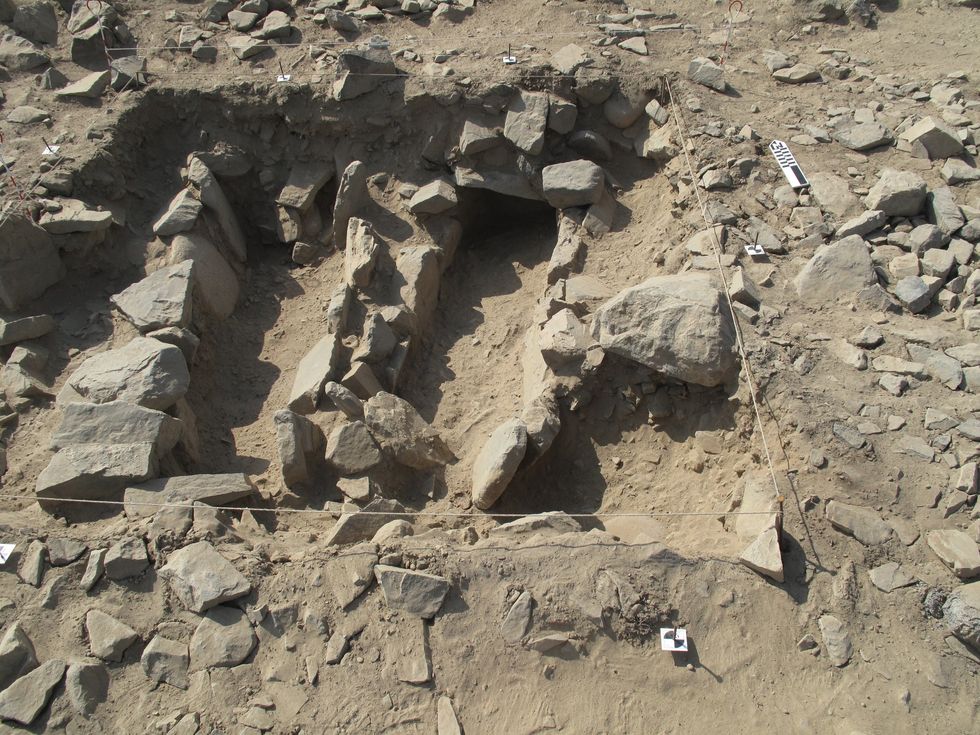
Dr Bongers said: "In the sampled individuals from the lower and middle valley, we observed practices such as cranial modification, a process carried out in infancy to shape the head using boards and bindings, human vertebrae strung on reed sticks, and the postmortem application of red pigment to the skull."
These body modification traditions had long been associated with Peru's northern coastal regions.
LATEST DEVELOPMENTS:
- Alien material uncovered inside Earth's crater 'rewriting human history'
- Do you write with your right hand? Scientists think they know why
- Mysterious fossils found across America could prove Bible story is TRUE claim researchers
He added: "Postmortem red pigment application and cranial modification are cultural traditions that have long been documented on Peru's north coast, so this evidence shows migrants may have brought their body modification traditions south to mark group identities."
Following their initial arrival, genetic evidence showed the migrants began intermarrying with populations from neighbouring central and southern coastal areas, a practice that then persisted into the Spanish Colonial Period.
The research also uncovered signs of close-kin procreation within a single grave containing related individuals.
Assistant Professor Jordan Dalton from the State University of New York, Oswego said: "The close biological relationships suggest the sampled individuals were members of an ayllu or parcialidad, a traditional, kin-based group that shares common territory, resources and ancestry. Close-kin unions may have served as a strategic means of retaining control over resources within the group."
Dr Bonger told GB News: "This research addresses one of the most important questions in archaeology: how did societies interact in the past? To what extent was the circulation of goods and knowledge accompanied by the movement of people?
"In doing so, this research raises several new questions: Why did northerners move to the Chincha Valley of southern Peru? Were they escaping the disastrous effects of El Niño? Fleeing the northern Chimu polity, known for engaging in mass sacrifices? Or perhaps they were colonists seeking to expand the territory of a large-scale polity in the north? Why did some individuals engage in close-kin unions?
"Our research opens up new research avenues into population movement, the importance of biological kinship, and the relationship between human biology and social change."
Climate hazards, the expansion of the powerful Chimú polity, and access to valuable seabird guano may have driven these ancient migrations.
READ MORE: How Egypt’s Great Pyramid withstood earthquakes for 4,600 years
Our Standards: The GB News Editorial Charter