Introduction
On a day that will be remembered for years to come, a total solar eclipse swept across Europe, turning daylight into an enchanting twilight. This incredible event, the first of its kind in decades, captured the attention of astronomers, nature enthusiasts, and the general public alike.
A Rare Celestial Phenomenon
The total solar eclipse, which occurred on [insert date], was a sight to behold. As the moon passed directly between the Earth and the sun, it obscured the sun's light, creating a stunning spectacle that lasted for several minutes. Cities across Europe, including [insert major cities], reported significant drops in temperature and an eerie darkness that blanketed the landscape.
Viewing Events and Public Interest
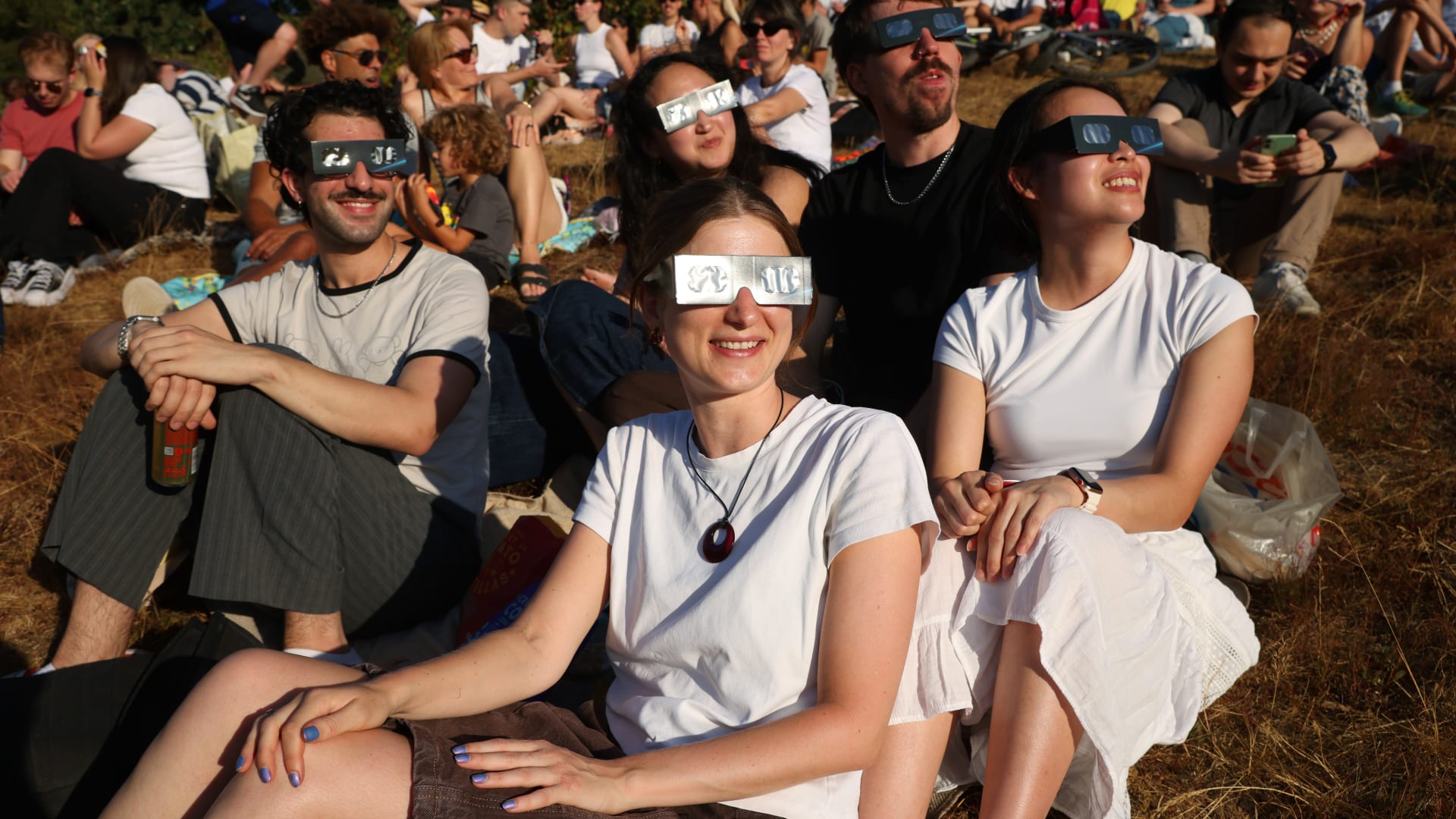
In anticipation of this rare event, numerous viewing parties were organized in parks, observatories, and even on rooftops. Experts and enthusiasts set up telescopes equipped with solar filters to safely observe the eclipse. Social media was abuzz with live updates and photographs showcasing the breathtaking views, as people shared their experiences with hashtags like #SolarEclipse and #Eclipse2023.
The Science Behind the Eclipse
Scientists explain that total solar eclipses occur when the moon's orbit aligns perfectly with the Earth and the sun. The last total solar eclipse visible in Europe occurred over [insert year], making this event particularly special for those who have never witnessed such a phenomenon. During the eclipse, viewers could see the sun's corona, a halo of plasma that is normally obscured by the bright light of the sun.
Impact on Wildlife and Nature
Interestingly, the total eclipse also had an observable effect on wildlife. Birds and other animals, confused by the sudden darkness, temporarily altered their behaviors, returning to nests as if it were twilight. This phenomenon sparked curiosity among scientists studying the impact of solar eclipses on local ecosystems.
Safety Precautions
Public health officials reminded viewers about the importance of safety when viewing solar eclipses. Special eclipse glasses, which block harmful sun rays, were distributed at viewing events to ensure that everyone could safely enjoy the spectacle without damaging their eyesight.
Conclusion
The total solar eclipse of [insert date] not only served as a reminder of the wonders of astronomy but also brought communities together in shared awe and appreciation for the natural world. As many reflect on the extraordinary event, the excitement lingers, fueling interest in future astronomical occurrences. Observers are already looking ahead to the next total solar eclipse, which will be visible in Europe on [insert next occurrence], eager to witness another remarkable display of cosmic alignment.