Introduction
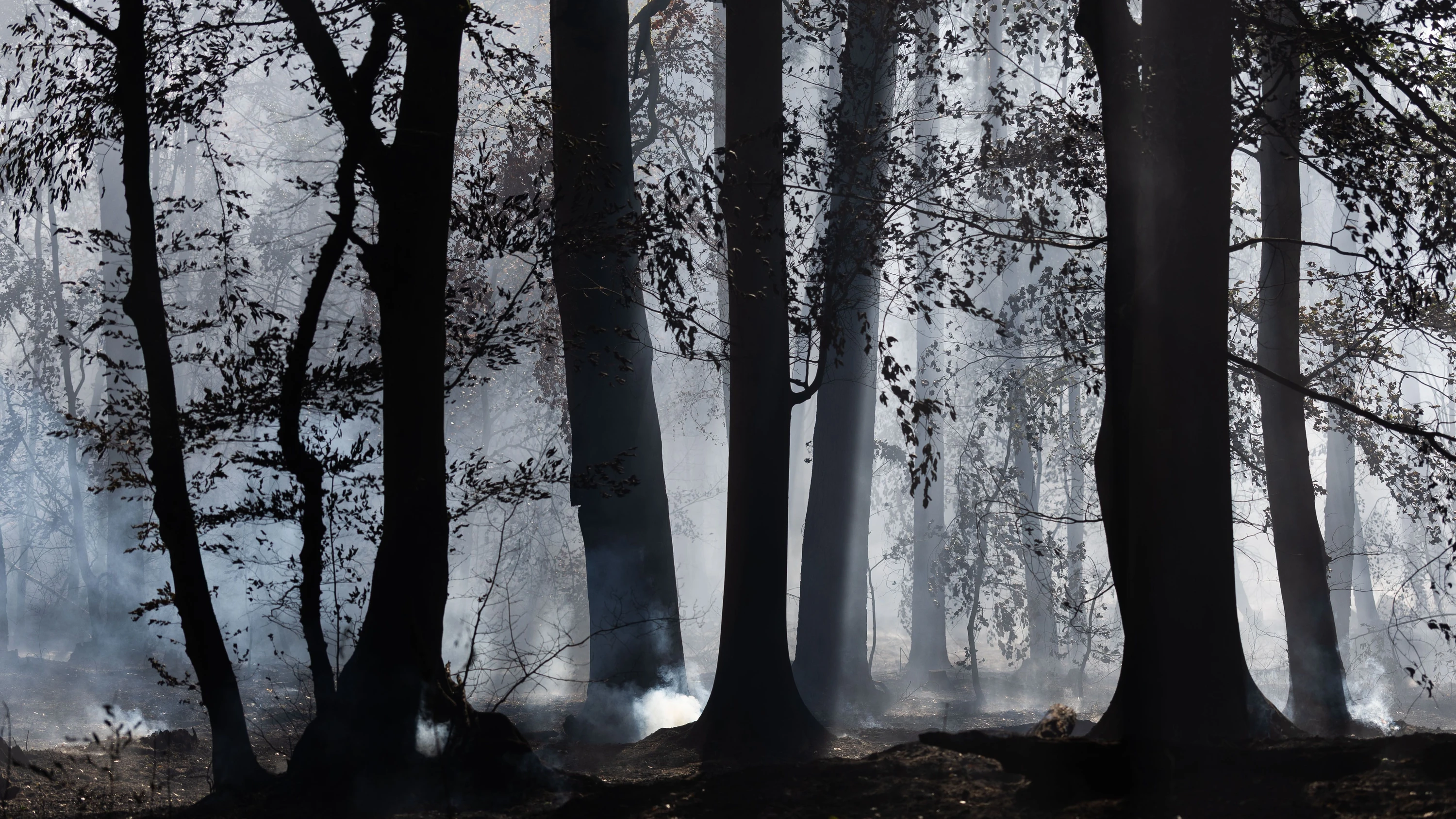
Throughout the summer of 2023, Europe has faced unprecedented wildfires, fueled by soaring temperatures and prolonged drought conditions. As flames ravaged landscapes, they unearthed an alarming threat: buried bombs and landmines from previous wars. This situation has prompted urgent discussions about the safety of affected areas and the potential dangers of unexploded ordnance (UXO).
Historical Context of Buried Munitions
Many European countries are still dealing with the aftermath of World War II and other conflicts, where vast quantities of munitions were left unaccounted for. In countries like France, Germany, and Italy, remnants of these wars remain buried underground, often hidden beneath seemingly harmless foliage. The wildfires have not only exposed these dangerous relics but have also brought to light the need for comprehensive clearance programs.
Wildfires as a Catalyst for Danger
As temperatures soared during the summer months, wildfires broke out across multiple regions, including southern Europe’s Mediterranean basin. The intense heat has the potential to cause buried explosives to detonate, which can lead to catastrophic consequences. Experts are particularly concerned about the risk to firefighters and local residents who may unknowingly venture into affected areas.
Government Response and Safety Measures
In response to this emerging threat, many European governments are mobilizing resources to assess the situation. Specialized teams are being deployed to areas heavily impacted by wildfires to locate and secure any discovered munitions. Safety protocols are being established to inform local residents about the potential dangers and the steps to take if they encounter suspicious objects.
The Role of Environmental Factors
Environmental experts emphasize that the increased frequency and intensity of wildfires, attributed to climate change, could lead to more frequent exposures of buried munitions in the future. The combination of extreme weather and unresolved historical conflicts creates a precarious situation that demands urgent attention. The importance of proactive measures in both environmental management and conflict resolution cannot be overstated.
Community Awareness and Preparedness
Local communities are being urged to remain vigilant. Educational initiatives are underway to teach residents about the risks of UXO and how to report any findings. Awareness campaigns are critical to ensuring that people know to avoid handling suspicious materials, which could potentially be deadly.
Conclusion
As Europe grapples with the dual challenges of wildfires and the resurgence of buried explosives, it is crucial for governments, environmental agencies, and communities to work together. Addressing the risks associated with unexploded ordnance not only protects lives but also contributes to the broader goal of making the region safer and more resilient against the impacts of climate change. Moving forward, a comprehensive approach that combines safety, awareness, and environmental stewardship will be essential in navigating this complex issue.