⚡ عاجل: كريستيانو رونالدو يُتوّج كأفضل لاعب كرة قدم في العالم●⚡ أخبار عاجلة تتابعونها لحظة بلحظة على خبر●⚡ تابعوا آخر المستجدات والأحداث من حول العالم●
AI اقتراحات ذكية
AI مباشر|--مشاهد مباشر
888,406مقال401مصدر نشط228قناة مباشرة4,317خبر اليوم
آخر تحديث:منذ 5 ثواني
Decarbonising everything is impossible – here’s why
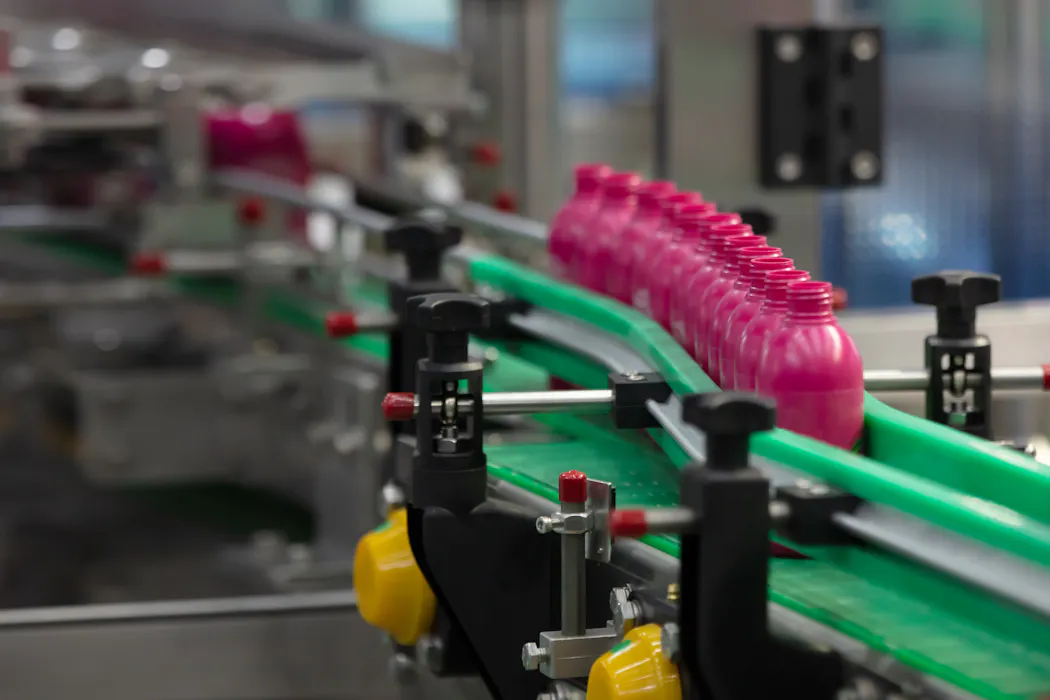
Walk into any supermarket and you are surrounded by carbon. Not the kind measured in parts per million in climate reports, but carbon in its most tangible form: the polymer shell of a shampoo bottle, the insulation behind the ceiling tiles, the synthetic fibres in the bag hanging from your wrist.
These are not accidental byproducts of the fossil fuel era. They are its second act, less visible than combustion but no less consequential.
The global conversation about net zero has been almost entirely about energy. This framing is essential, but it rests on an assumption so embedded it rarely gets examined: that the only thing fossil fuels give us worth worrying about is the energy released when we burn them.
Roughly 15-20% of all fossil fuel consumption is never burned at all. It is transformed into the physical fabric of modern life: plastics, polymers, fertilisers, adhesives, solvents and synthetic textiles. When these products are eventually incinerated, degraded or discarded, their carbon returns to the atmosphere, a contribution to global warming that is real, growing and almost entirely absent from mainstream net zero accounting.
As well as a green energy transition, the material transition needs to be sustainable. But three industries at the heart of this problem are often overlooked: chemical manufacturing, plastic polymers and construction.
Ammonia, made from natural gas via a century-old process known as Haber-Bosch, underpins the fertilisers that feed roughly half the world’s population. Ethylene, derived from crude oil, is the starting point for an enormous range of plastics, solvents and coatings. Processing carbon is a fundamental part of this industry.
Mark Maslin, Earth systems scientist at UCL, explains the concept of net zero as part of The Conversation’s quick climate dictionary.
Construction offers more promise. Buildings can stand for 50 to 100 years, so the carbon contained in their materials can remain locked away for decades.
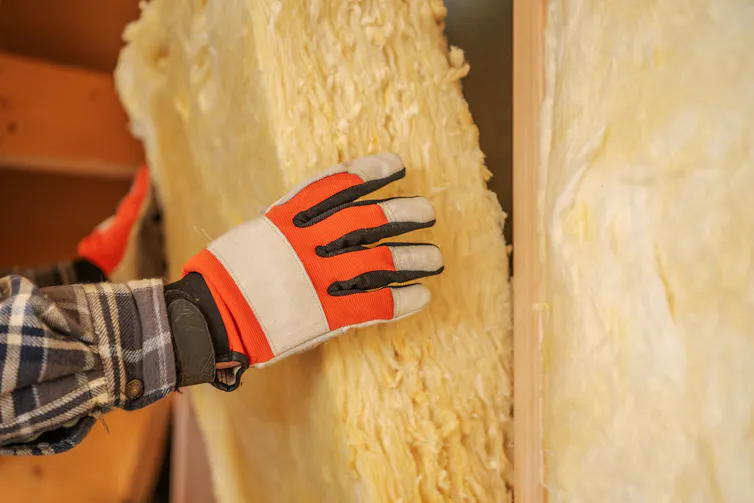
Take timber: trees absorb carbon dioxide as they grow and store that carbon in wood. But the same idea can be extended to engineered materials. Agricultural and forestry residues (such as crop cuttings, twigs and leaves) can be turned into biochar, a stable charcoal-like form of carbon, and used to make aggregates or concrete. Carbon dioxide can be captured using technologies and then converted into construction products, including insulation materials. In each case, carbon is not simply treated as waste; it becomes part of long-lived buildings and infrastructure.
The solution is not to eliminate carbon from industry altogether, but to stop treating fossil carbon as the default raw material.
Chemicals, plastics and construction products will still need carbon, but that carbon does not always have to come from oil, gas or coal. It can come from plant-based sources or waste products from farming or forestry plus other forms of sustainably sourced plant material. It can also come from carbon dioxide captured from industrial processes before it escapes into the atmosphere.
Most construction products such as insulation are currently made from fossil-fuel based carbon sources.Virrage Images/Shutterstock
Careful assessment of these alternatives will ensure they genuinely reduce emissions across a product’s full life cycle. That includes where the carbon came from, how much energy was used to extract it, whether environmental damage to land was avoided, how long the carbon remains in the product, and what happens when the product reaches the end of its life.
A related question is how captured carbon should be managed. Permanently burying captured carbon in underground rocks or the deep ocean removes those atoms from the accessible cycle for millennia, progressively depleting the surface carbon pool on which agriculture and industry both depend. To reach a more circular, less wasteful system, carbon should be kept in circulation and recovered at end of life. Burial should be a last resort.
Moving together
Making this transition work requires six things to move together. New materials must genuinely perform as well as the fossil ones they replace. Sustainable carbon supplies must be mapped honestly, because biogenic carbon (carbon derived from recently living organisms such as plants or algae) is limited so choices about allocation will have to be made.
Policy must reward circular carbon through procurement rules, carbon pricing and regulation. Rigorous life-cycle assessments can verify that new materials are genuinely better, not merely different. End-of-life infrastructure (such as sorting, collection, repair, recycling and safe disposal systems) must be built before production scales up to ensure it’s not an afterthought.
Trust from consumers, retailers and manufacturers will depend on proving where the carbon in a product came from, how it was processed and what happens to it at the end of its life.
The origin of any carbon is invisible. So for the market for circular carbon materials to function transparently, reliable labelling, certification and digital product passports (digital records that highlight a product’s origin, supply chain and environmental impact) are vital.
The author acknowledges support from the Engineering and Physical Sciences Research Council (EPSRC) for the CIRCARB: Circular & Biogenic Carbon Pathways for a Sustainable Future programme, led by Aston University.
ملاحظة تحريرية | Editorial Note:
نُشر هذا المقال في الأصل بواسطة ذا كونفرسيشن.
خبر (Khabr) هي منصة إعلامية أردنية مرخّصة تعمل بالذكاء الاصطناعي.
نضيف قيمة تحريرية من خلال: تحليل ذكي للأخبار، ملخصات تلقائية، رواية صوتية بالذكاء الاصطناعي، ترجمة متعددة اللغات، وتدقيق الحقائق.
هدفنا جعل الأخبار أكثر وضوحاً وسهولةً للقارئ العربي.
This article was originally published by ذا كونفرسيشن.
Khabr is a licensed Jordanian AI-powered news platform (Registration #82086).
We add editorial value through: AI-powered news analysis, automated summaries, AI audio narration, multi-language translation (Arabic, English, French, Turkish), and AI fact-checking.
Our mission is to make news more accessible and understandable for Arabic-speaking audiences worldwide.
هذا الخبر ضمن تغطية خبر لقسم علوم.
نقدّم لك تحليلات ذكية وملخصات يومية لأهم الأخبار من مصادر موثوقة متعددة.
المصدر: ذا كونفرسيشن.
يوجد 6 مقالات مرتبطة بهذا الموضوع.
This article is part of Khabr's coverage of Science.
We provide AI-powered analysis, summaries, and multi-source aggregation to keep you informed.
Source: ذا كونفرسيشن.
🍪 نستخدم ملفات تعريف الارتباط لتحسين تجربتك وعرض الإعلانات المخصصة. باستخدامك للموقع، فإنك توافق على سياسة ملفات تعريف الارتباط وسياسة الخصوصية.
We use cookies to enhance your experience and show personalized ads. By using this site, you agree to our Cookie Policy and Privacy Policy.
🔍
FREEFree 1GB Internet + Free International Calls
$1 trial — eSIM in 190+ countries — No roaming charges