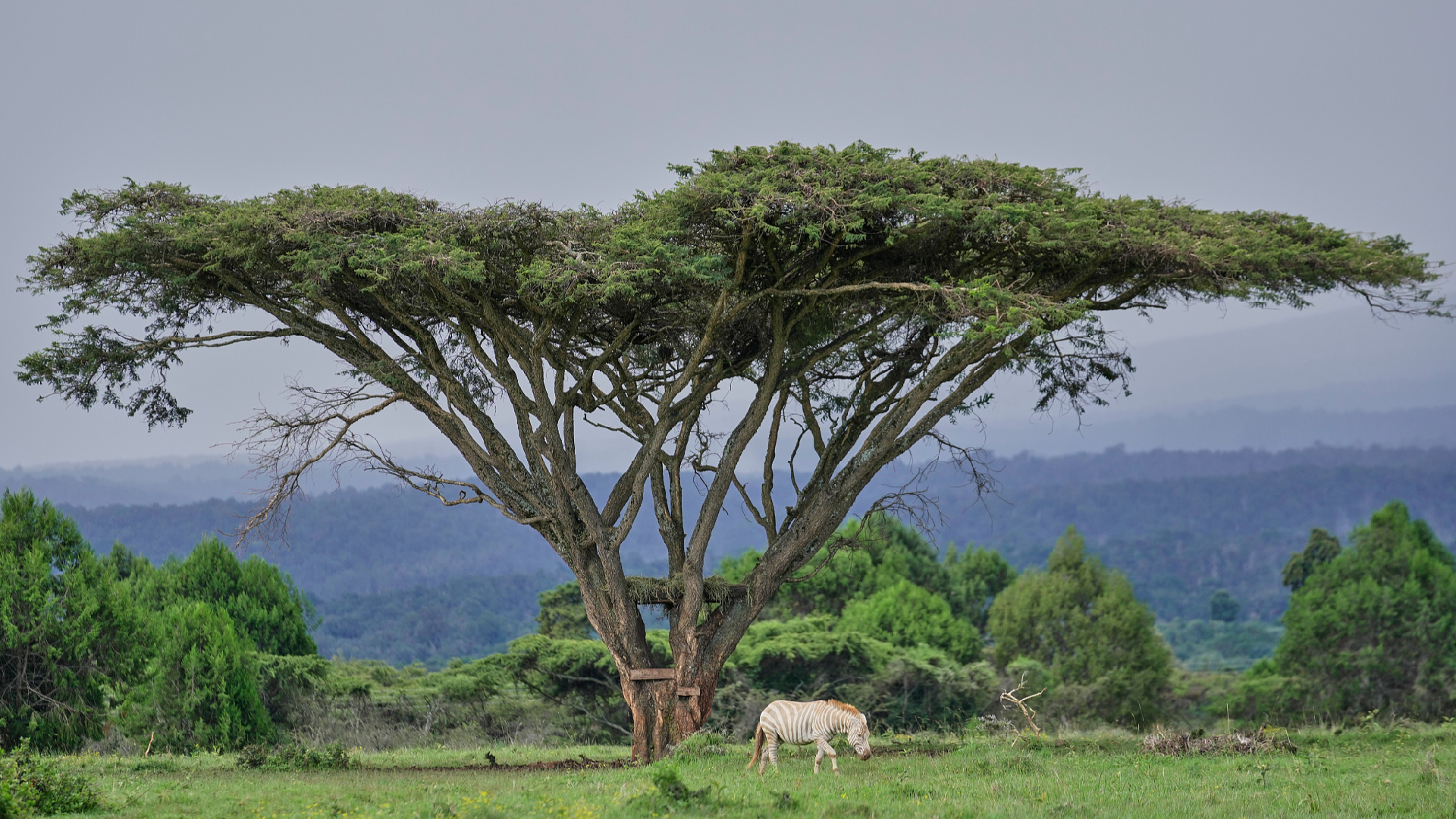
Chinese and Kenyan scientists on Monday renewed their partnership to advance a green transition by protecting biodiversity hotspots that sustain rural livelihoods and support ecological resilience.
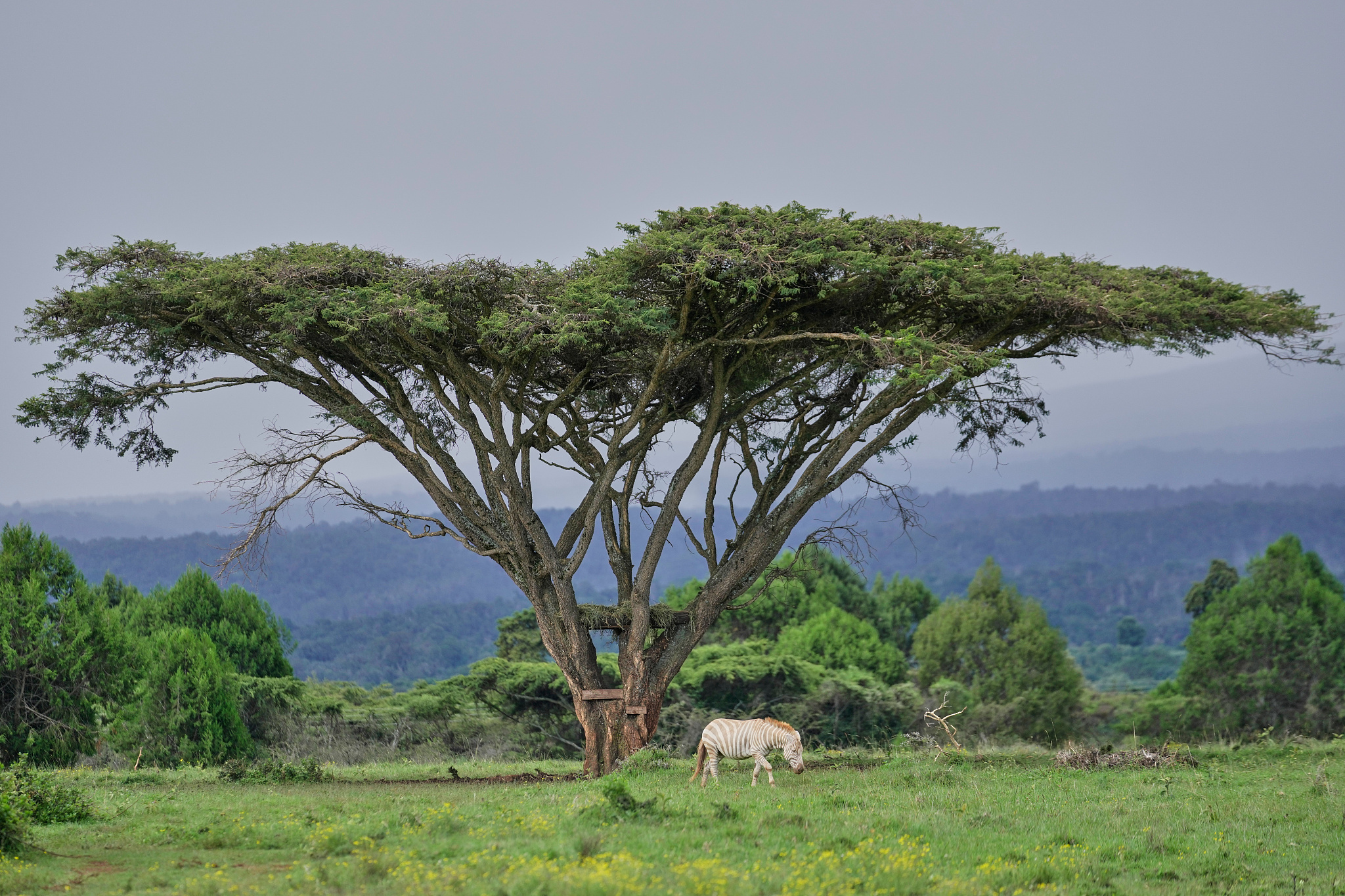
Speaking at a joint scientific conference in Nairobi, the Kenyan capital, researchers from both countries emphasized that collaborative research and knowledge sharing are key to securing Africa's green and resilient future.
Convened by the National Museums of Kenya (NMK) and the Sino-Africa Joint Research Center (SAJOREC), the five-day conference is being held under the theme of "Harnessing Biodiversity and Cultural Heritage for Economic Transformation."
The conference brings together senior policymakers, scientists, researchers and grassroots campaigners to discuss innovative approaches to habitat conservation, cultural heritage protection, sustainable livelihoods and climate resilience.
Wang Qingfeng, director of SAJOREC, said the robust partnership between Chinese and Kenyan scientists focuses on enhancing habitat resilience, food security and water security.
"We are working with partners here in Kenya to share ideas and our experience on the sustainable utilization of biodiversity. We have ideas on the cultivation of indigenous plant species to help protect wild species in the future. That is very important for both sides," Wang said.
Over the past decade, SAJOREC has partnered with several Kenyan universities to advance research, training and capacity building in biodiversity conservation and climate-resilient farming, Wang said.
Everlyn Namikoye Samita, senior lecturer at Kenyatta University, said that a structured partnership with Chinese scientists focuses on mentoring young scholars to promote ecological resilience in Kenya.
Samita emphasized that Kenyan scientists seek long-term collaboration with Chinese counterparts. These partnerships aim to boost the sustainable use of natural resources, enhancing food security, nutrition and income generation for rural communities.
Esther Kioko, principal research scientist at the NMK, said that partnerships with overseas scientists, including those from China, have been pivotal, noting that these collaborations shape a research agenda focused on climate change, cultural heritage, indigenous knowledge and their impacts on sustainable development.
Kioko added that addressing modern ecological challenges such as climate change, habitat loss and pollution requires strategic collaboration in training, research and community-centered public awareness.