The Perseid Meteor Shower: A Celestial Showcase
The Perseid meteor shower, one of the most anticipated astronomical events of the year, will peak overnight on Wednesday, offering a breathtaking display of shooting stars for those in Northern California. This annual phenomenon occurs as Earth passes through the debris left by Comet Swift-Tuttle, producing bright meteors that streak across the night sky.
When and Where to Watch
The peak of the Perseids will occur on the nights of August 11 to 12, with the best viewing conditions expected after midnight until dawn. For Northern Californians, the ideal spots for observing this celestial spectacle include locations away from city lights, such as national parks and open fields. Popular viewing sites include the Sierra Nevada, Mount Tamalpais, and any local dark sky parks.
Perfect Viewing Conditions
For optimal viewing, it's essential to find a dark area with minimal light pollution. Bring along a reclining chair or blanket, as well as snacks and beverages to enhance your experience. Allow your eyes to adjust to the darkness, which can take about 20 minutes, and be patient as you wait for the meteors to appear. On average, viewers can expect to see 50 to 100 meteors per hour at the shower's peak.
Tips for Stargazing
To make the most of your meteor shower experience, consider these tips:
- Check the Weather: Ensure clear skies by checking local weather forecasts. Cloud cover can significantly obstruct your view.
- Dress Appropriately: August nights can get chilly, so wear layers and bring blankets to stay warm.
- Avoid Distractions: Leave your devices behind or keep them on silent to fully immerse yourself in the experience.
Understanding the Science Behind the Shower
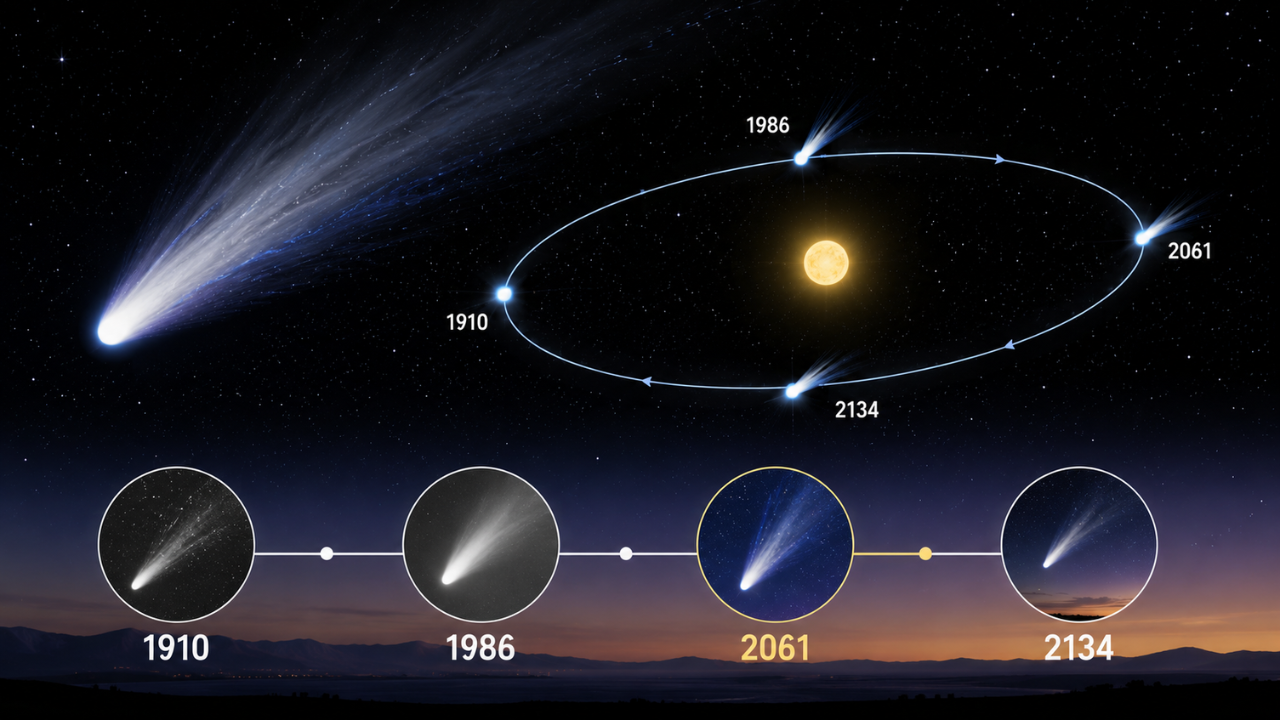
The Perseid meteor shower is named after the constellation Perseus, from which the meteors appear to radiate. These meteors are remnants of Comet Swift-Tuttle, which orbits the sun approximately every 133 years. As Earth passes through the comet's debris trail, tiny particles enter our atmosphere at speeds of up to 37 miles per second, creating bright streaks of light.
Join the Community
This meteor shower is not just a personal experience; it’s a chance to connect with fellow astronomy enthusiasts. Many local astronomy clubs and organizations host viewing events, often equipped with telescopes and knowledgeable stargazers ready to share insights about the night sky. Check local listings or social media groups to find gatherings near you.
Conclusion
The Perseid meteor shower presents a unique opportunity to witness nature's grandeur right above us. Mark your calendars for the nights of August 11 to 12, grab your friends and family, and prepare for an unforgettable night under the stars. With the right preparations and location, you can make the most of this stunning celestial event in Northern California.