Artemis II mission is giving NASA clues about how to design a moon base
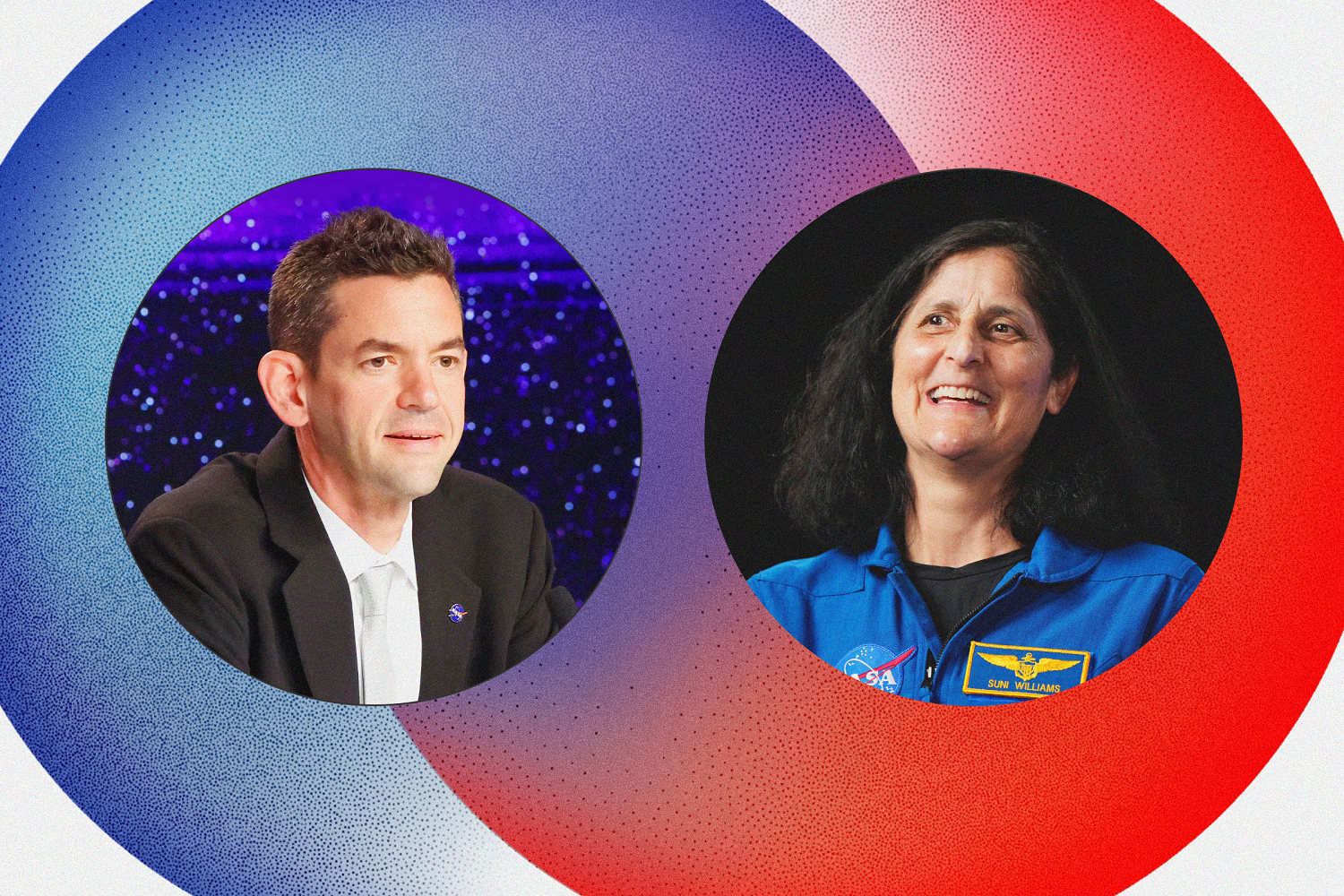
SpaceArtemis II mission is giving NASA clues about how to design a moon baseIn a live conversation with NBC's Lester Holt, NASA Administrator Jared Isaacman said lessons from Artemis II are informing plans to build infrastructure on the lunar surface. Listen to this article with a free account00:0000:00NBC News; APShareAdd NBC News to GoogleApril 23, 2026, 7:33 PM EDTBy Denise ChowLess than two weeks after NASA’s Artemis II mission, the crew's observations from their lunar flyby are already providing insights into what it might take to build a base on the moon, NASA Administrator Jared Isaacman said Thursday.Subscribe to read this story ad-free Get unlimited access to ad-free articles and exclusive content.In a live conversation with NBC’s Lester Holt and former NASA astronaut Sunita Williams, Isaacman said that findings from Artemis II are shaping the agency’s plans to build infrastructure for long-term stays on the lunar surface. The panel discussion was part of an event for Common Ground, an NBC News franchise bringing together leaders with different perspectives to focus on solutions to pressing issues.Add NBC News to GoogleLester Holt on space exploration with NASA’s Jared Isaacman and Suni Williams19:34The Artemis II mission launched April 1, sending NASA astronauts Reid Wiseman, Christina Koch and Victor Glover, and Canadian astronaut Jeremy Hansen, on a 10-day trip around Earth and the moon. The crew reached their closest point to the moon on April 6, when they spent seven hours taking photographs and making observations during their flyby. The astronauts were the first ever to see the entire far side of the moon with their own eyes.Isaacman described a moment at the tail end of the lunar flyby as being particularly revelatory: While witnessing a solar eclipse, the astronauts reported seeing multiple flashes of light on the moon. The flashes were caused by rocky objects smacking into the lunar surface, and the astronauts’ observations of them caused sci...المصدر: NBC News | Source: NBC News
ملاحظة تحريرية | Editorial Note: نُشر هذا المقال في الأصل بواسطة NBC News. خبر (Khabr) هي منصة إعلامية أردنية مرخّصة تعمل بالذكاء الاصطناعي. نضيف قيمة تحريرية من خلال: تحليل ذكي للأخبار، ملخصات تلقائية، رواية صوتية بالذكاء الاصطناعي، ترجمة متعددة اللغات، وتدقيق الحقائق. هدفنا جعل الأخبار أكثر وضوحاً وسهولةً للقارئ العربي.
This article was originally published by NBC News. Khabr is a licensed Jordanian AI-powered news platform (Registration #82086). We add editorial value through: AI-powered news analysis, automated summaries, AI audio narration, multi-language translation (Arabic, English, French, Turkish), and AI fact-checking. Our mission is to make news more accessible and understandable for Arabic-speaking audiences worldwide.