Archaeology discovery in the Oregon mountains predating Pyramids could rewrite story of America
•A remote rock shelter nestled in the Oregon mountains may have hosted human inhabitants roughly 18,250 years ago, according to archaeologists who say the site could rank among the oldest evidence of p...
•The location, called Rimrock Draw, has yielded stone tools that predate Egypt's Great Pyramid by approximately four times.University of Oregon researchers made the discovery, which has yet to undergo...
•Should the findings be verified, they would push back the timeline of human presence on the continent by thousands of years.
هذا الخبر من GB News. خبر يقدم أدوات ذكاء اصطناعي للتلخيص والترجمة والاستماع.
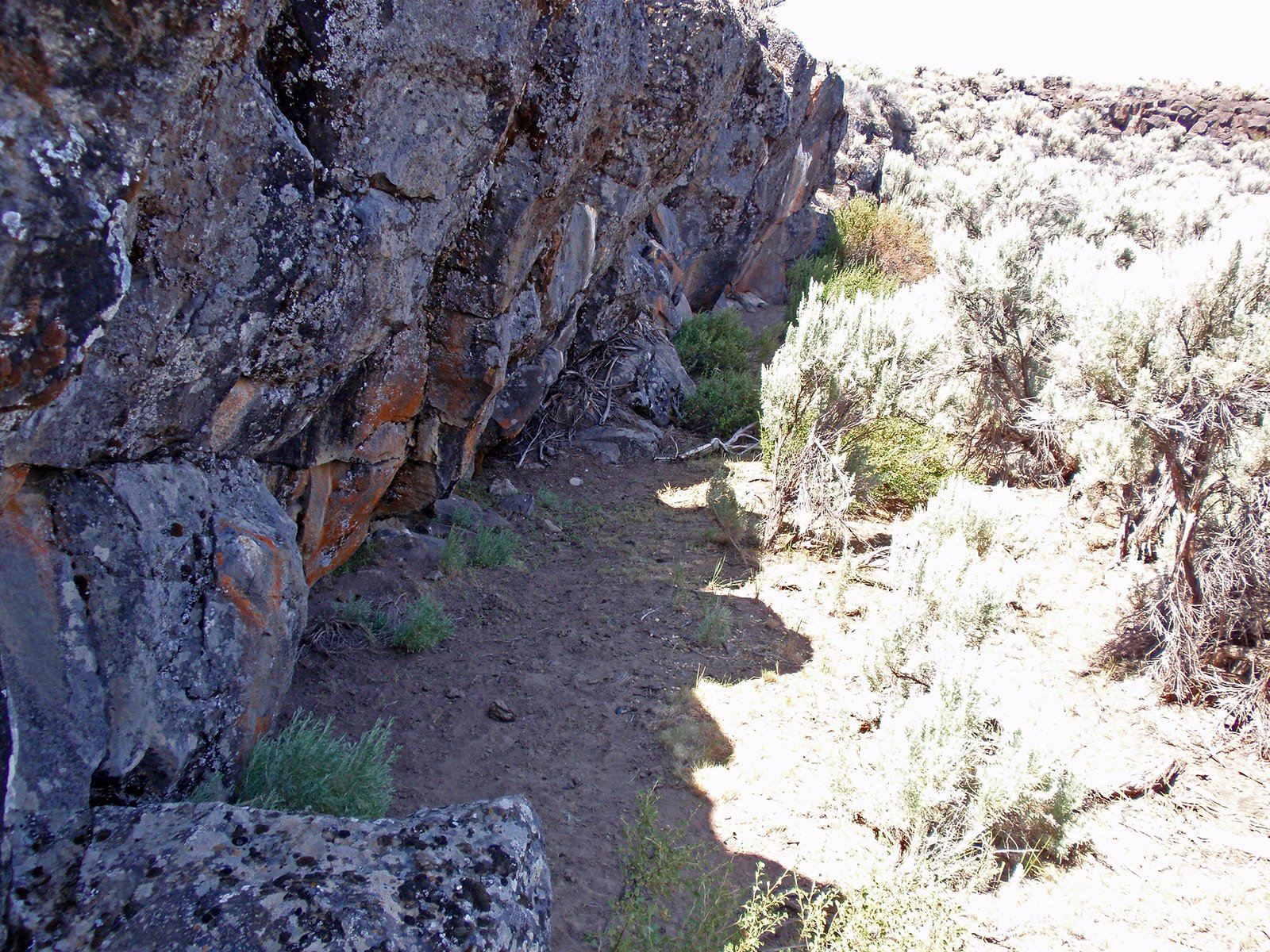
المصدر: GB News | Source: GB NewsA remote rock shelter nestled in the Oregon mountains may have hosted human inhabitants roughly 18,250 years ago, according to archaeologists who say the site could rank among the oldest evidence of people living in North America.
The location, called Rimrock Draw, has yielded stone tools that predate Egypt's Great Pyramid by approximately four times.
University of Oregon researchers made the discovery, which has yet to undergo peer review but could fundamentally alter understanding of when humans first reached the Americas.
Should the findings be verified, they would push back the timeline of human presence on the continent by thousands of years.
TRENDINGStoriesVideosYour SayThe discovery poses a direct challenge to the established theory that North America's earliest settlers crossed from Asia through an ice-free corridor approximately 13,000 years ago.
Instead, the evidence from Rimrock Draw bolsters an alternative hypothesis gaining traction among researchers.
This theory suggests humans arrived on the continent considerably earlier, most likely by travelling along the Pacific coast before inland routes opened up.
The coastal migration model proposes that ancient peoples navigated southward along the western shoreline, reaching habitable regions thousands of years before the traditional timeline suggested.
Such findings add to a growing body of evidence questioning long-accepted narratives about the peopling of the Americas.
The team unearthed two carefully crafted stone scrapers made from orange agate, a variety of quartz, buried beneath volcanic ash deposited by Mount St Helens over 15,000 years ago.
Scientists determined the age by applying radiocarbon dating techniques to tooth enamel from extinct camels and bison discovered near the tools.
This analysis yielded a date of approximately 18,250 years.
LATEST DEVELOPMENTS
- Rare carving of protective spirit dating back 1,600 years unearthed near Hadrian’s Wall
- King Alfred the Great's long-lost remains 'found in car park' in 'omen' for England
- Archaeologists uncover 'massive biblical structure' in hunt for Ark of the Covenant
Crucially, because the stone implements lay beneath these dated animal remains, researchers concluded the tools must be older still.
One scraper retained traces of bison blood on its surface, indicating it had been employed for butchering or processing animal carcasses before being left behind.
David Lewis, a professor of anthropology at Oregon State University who participated in the research, said in a statement: "This early date aligns well with the oral histories of the tribal nations in the region, many of whom have stories about witnessing geological events like the Missoula floods, a series of events that changed everything for the tribes between 18,000 and 15,000 years ago."
He added tribal accounts describe encounters with giant creatures. And the Rimrock Draw evidence suggests early peoples did interact with megafauna.
Patrick O'Grady, the University of Oregon archaeologist leading fieldwork at the site, described the volcanic ash identification as shocking.
The 18,000-year-old dates on the enamel, with stone tools positioned below, proved even more startling, he said.
Our Standards: The GB News Editorial Charter

ملاحظة تحريرية | Editorial Note: نُشر هذا المقال في الأصل بواسطة GB News. خبر (Khabr) هي منصة إعلامية أردنية مرخّصة تعمل بالذكاء الاصطناعي. نضيف قيمة تحريرية من خلال: تحليل ذكي للأخبار، ملخصات تلقائية، رواية صوتية بالذكاء الاصطناعي، ترجمة متعددة اللغات، وتدقيق الحقائق. هدفنا جعل الأخبار أكثر وضوحاً وسهولةً للقارئ العربي.
This article was originally published by GB News. Khabr is a licensed Jordanian AI-powered news platform (Registration #82086). We add editorial value through: AI-powered news analysis, automated summaries, AI audio narration, multi-language translation (Arabic, English, French, Turkish), and AI fact-checking. Our mission is to make news more accessible and understandable for Arabic-speaking audiences worldwide.