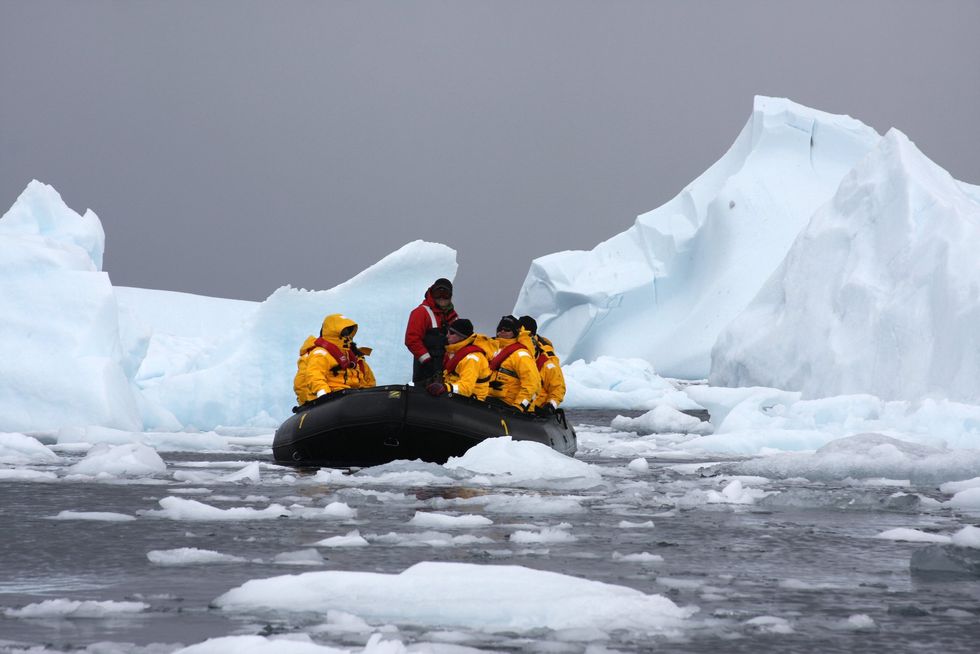
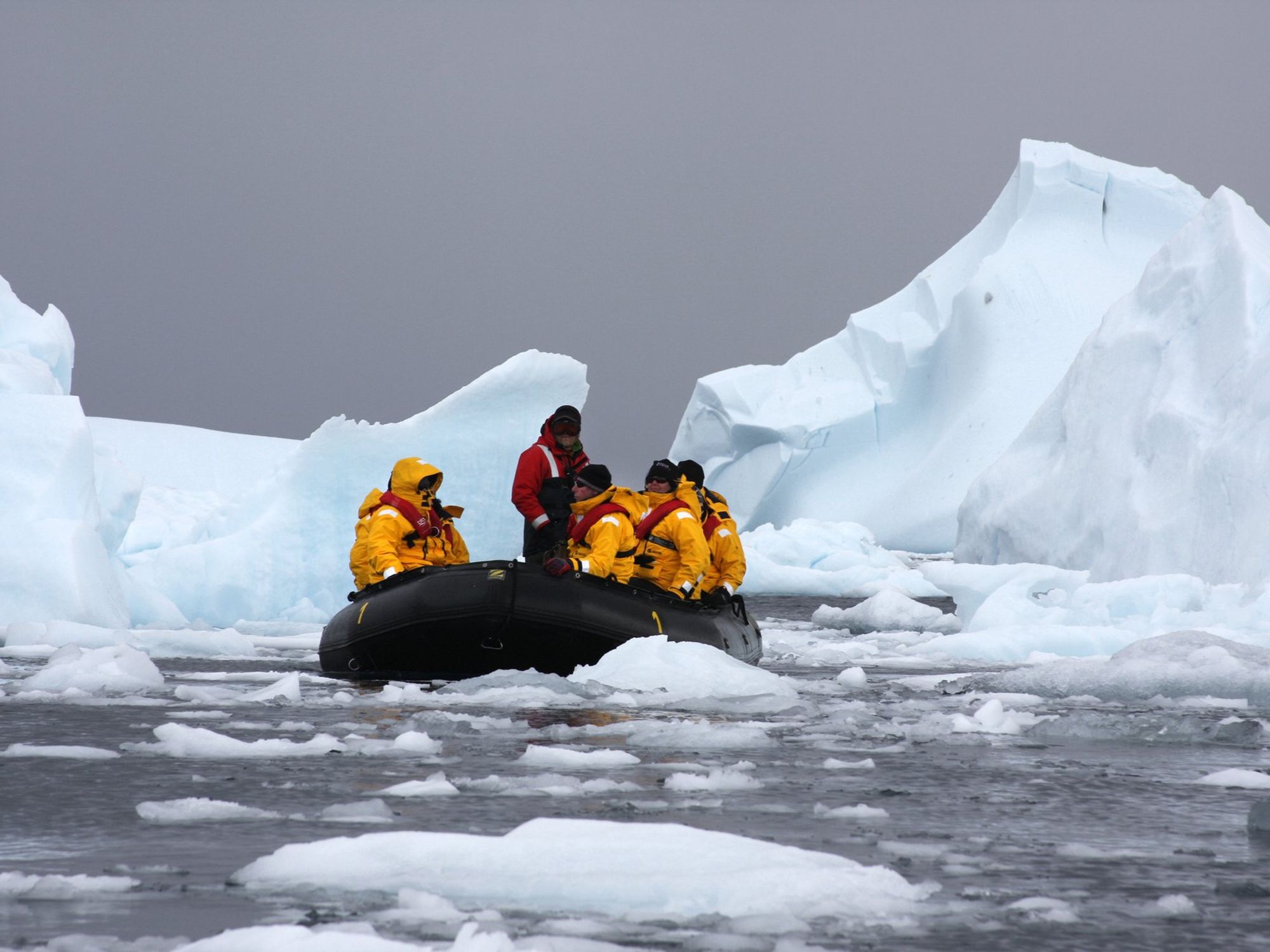
Researchers at a station in Antarctica were left in turmoil as their accommodation and supplies floated away on an iceberg.
A German team at Neumayer Station III saw seven shipping containers vanish into the Weddell Sea following a severe winter storm in January.
The containers, positioned just a few hundred feet from the coastline, were swept away after a 980ft by 1,640ft section of ice broke free during 80mph blizzards that lasted several days.
Among the lost supplies were 9,500 litres of winter diesel, gas cylinders and batteries essential for the remote outpost.
One of the containers had been serving as living quarters for the polar researchers.
The scientists themselves remained safe at their main station, 11 miles inland.
Rescue helicopters were dispatched to retrieve the crucial supplies, but the fractured ice sheet proved far too unstable for aircraft to touch down safely.
Despite these challenging conditions, airborne crews successfully salvaged nearly a tonne of equipment from the drifting berg.
However, just one month after the incident, the iceberg vanished entirely from satellite surveillance.
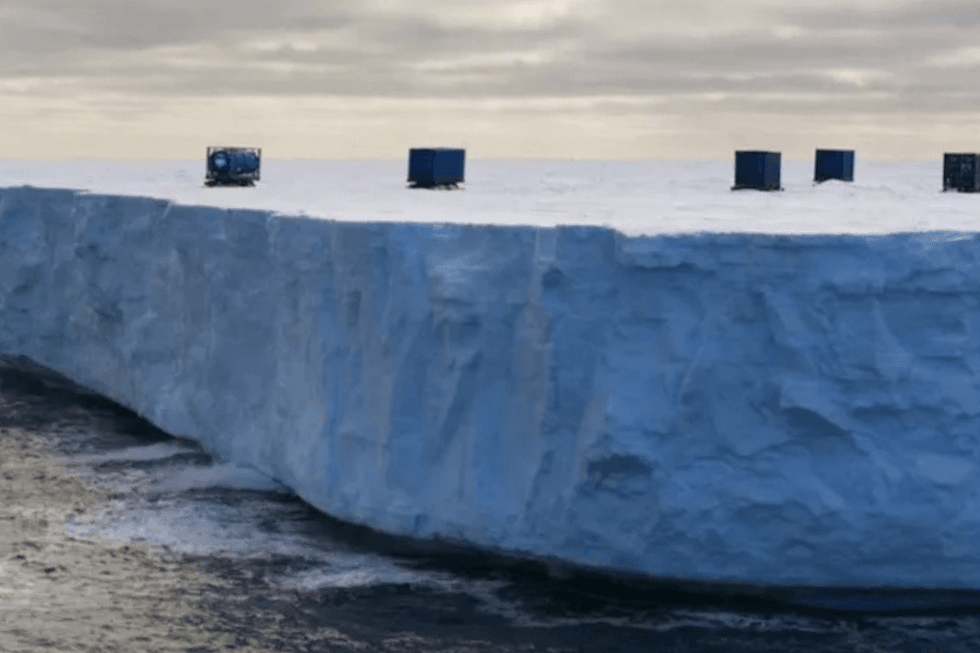
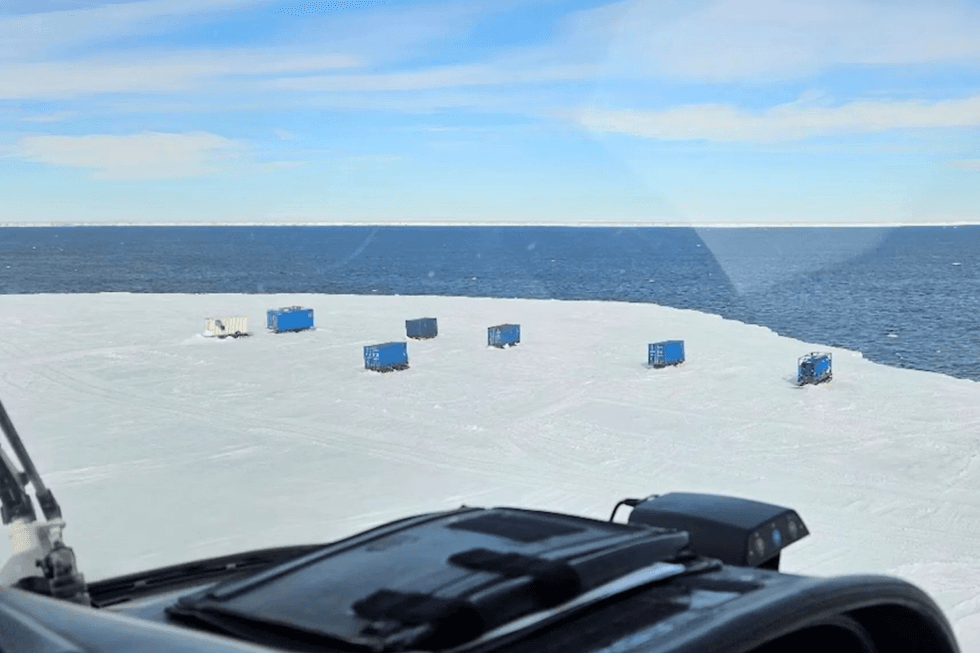
Scientists concluded that the massive ice block had fragmented and plunged to the ocean floor, taking the remaining fuel and supplies with it.
"It is assumed [the container] was either damaged by falling into the sea or imploded on its way to the seabed," authorities stated at an Antarctic Treaty Consultative Meeting earlier this month.
"In either case, the fuel is likely to have leaked out."
In response to the incident, German Antarctic authorities have implemented new safety protocols for supply storage at the remote station.
SCIENCE - READ THE LATEST:
- Nasa sets date for mankind to live full-time on the Moon as it unveils radical plans for lunar city
- Scientists left puzzled after strange 'earthlike' patterns spotted on surface of Venus
- Astronomers believe they have found remains of entire galaxy absorbed by Milky Way
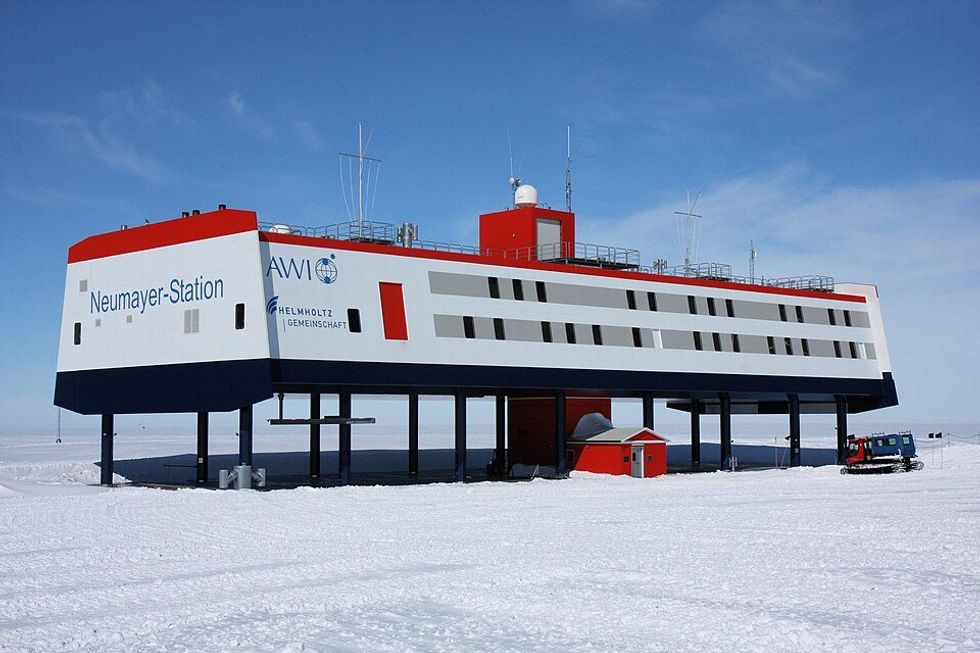
Officials confirmed that containers will now be positioned at least 5,000 metres from the ice shelf edge, when previously they were stationed a few hundred feet from the water.
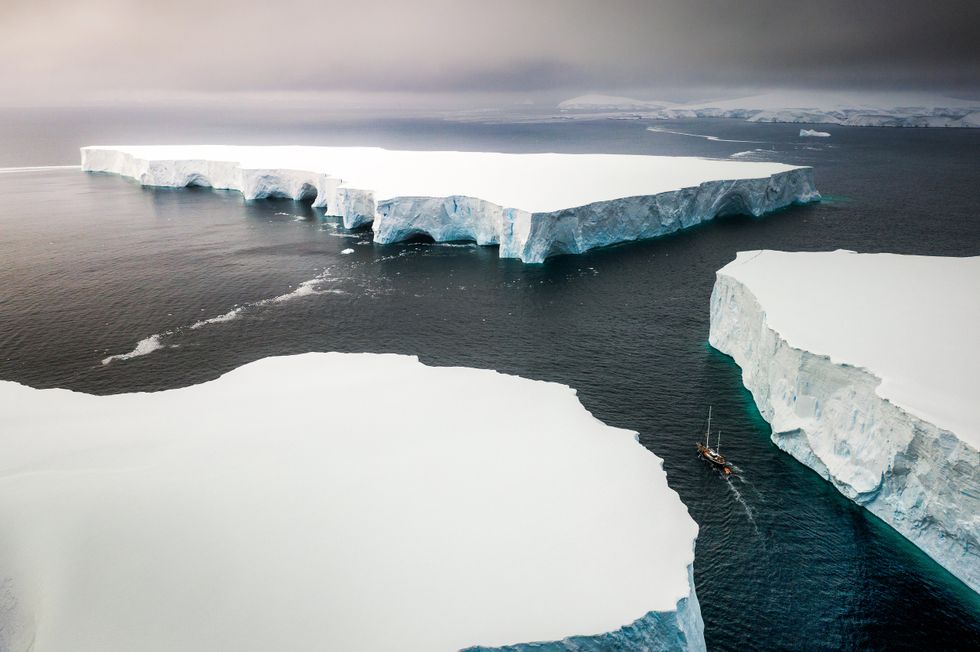
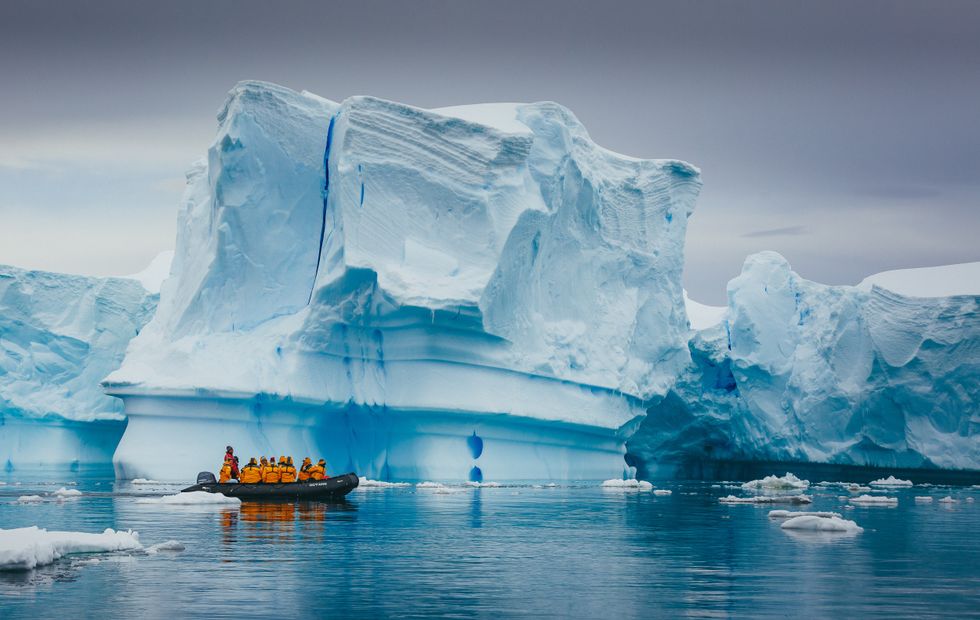
The Antarctic coastline is bordered by extensive floating ice shelves that are vulnerable to warm water currents circulating beneath the surface, which gradually erode the ice and cause sections to break away.
The new distance requirement aims to provide a buffer against future calving events during storm conditions.
Between October and February - known as the summer research season - up to 5,000 scientists and researchers inhabit Antarctica to study the icy desert.
During the harsh winter months, that figure plummets to around 1,000.
However, it is not just scientists who flock to the South Pole - with tourism exploding in the past few decades.
In 2024, Antarctica saw more than 80,000 visitors flood to its icy shores - with 400,000 projected annually within the next decade.
However, experts have warned that with more footfall, there is now a much greater risk of contamination, illness and damage to the vast continent.
Our Standards: The GB News Editorial Charter