علوم
3421 مقال

Artemis crew dedicates moon crater to commander's late wife
The four astronauts aboard the Artemis II mission shared an emotional moment after Canadian astronaut Jeremy Hansen announced the crew wanted to dedicate a moon crater to mission commander Reid Wiseman's late wife, Carroll, who died in 2020.

Nasa Moon mission breaks deep space distance record set 56 years ago
[{"id":1277788,"path":"/news/world/iran-us-strait-hormuz-ceasefire-trump-b1277788.html","title":"Trump reiterates threats to Iran warning 'the entire country can be taken out in one night' as Tuesday deadline looms","imageUrl":"https://static.standard.co.uk/2026/04/06/18/58/SEI292229476.jpg","standfirst":"Blow to hopes of ceasefire before Trump’s Tuesday deadline when he has vowed to unleash ‘hell’ on Iran"},{"id":1277692,"path":"/news/politics/kanye-west-wireless-festival-pepsi-diageo-keir-star...

What to know after Artemis II breaks distance record, prepares for loop around far side of moon
The Artemis II crew on Monday broke the record for the farthest distance traveled from Earth, a mark previously held by the crew of Apollo 13. CBS News' Bill Harwood and Mark Strassmann reported on the moment and Ambre Rose Trujillo, spokesperson for the Planetary Society, joined CBS News with her reaction.

Watch: Trump's full news conference on Iran war, rescue of U.S. airmen | Special Report
President Trump and senior officials from multiple departments on Monday held a news conference detailing the rescue of two U.S. crew members in Iran who had their fighter jet shot down last Friday. Tony Dokoupil anchored CBS News' special report.

Artemis II crew breaks record for farthest distance traveled from Earth | Special Report
The four-person crew of the Artemis II made history Monday as they broke the Apollo 13 record for the farthest distance traveled from Earth. Mark Strassmann reported on the feat during a CBS News special report.
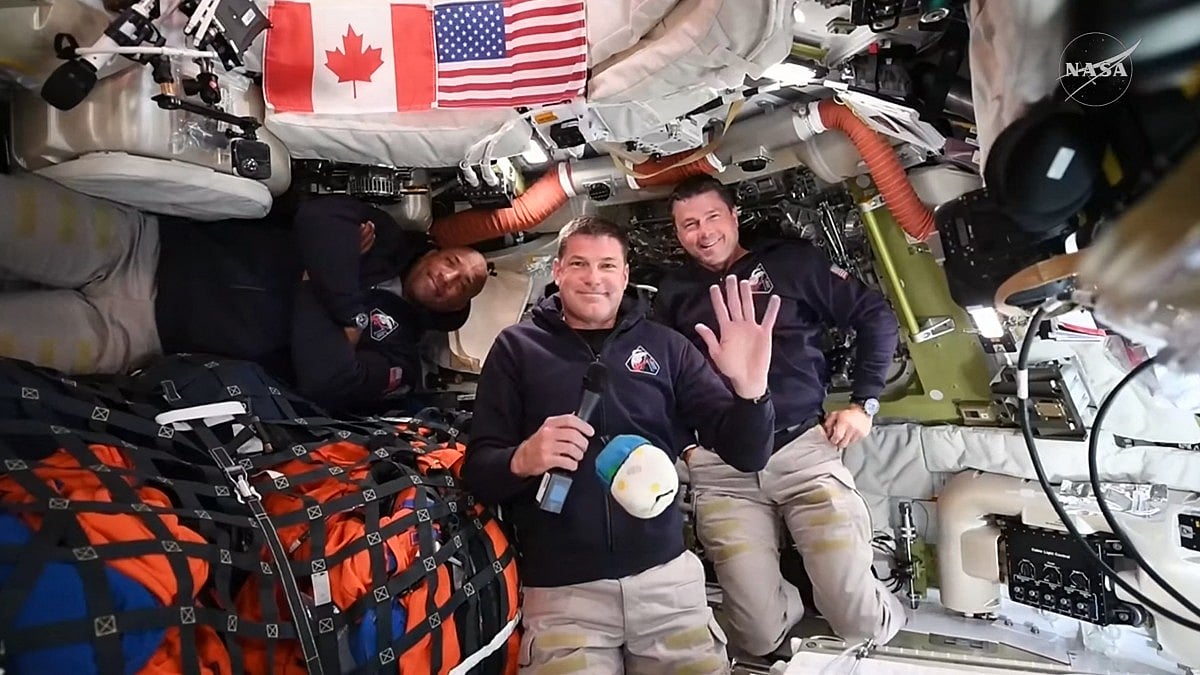
Artemis astronauts travel further into space than any human: NASA
The four astronauts embarking on NASA's lunar flyby became on Monday the humans to travel furthest from our planet, as they get set to view areas of the Moon never before seen by the naked eye.A new milestone for humankind: The crew of Artemis II are now the farthest any human has ever travelled, reaching a maximum distance of 252,752 miles from Earth. This surpasses the previous record set by Apollo 13 in 1970 by about 4,102 miles. pic.twitter.com/DbLFvvdEfT— NASA (@NASA) April 6, 2026...

Artemis II Astronauts Watched ‘Project Hail Mary’ in Quarantine Before Blasting Off to Space on Moon Mission: ‘That Was a Real Treat’
Artemis II astronaut Jeremy Hansen is giving Amazon MGM’s “Project Hail Mary” two thumbs up.  Hansen, along with fellow Artemis II astronauts Reid Wiseman, Victor Glover and Christina Koch, got to see the blockbuster before they set out on their own space expedition; the four-person crew is currently on a 10-day journey around the Moon on […]

Artemis astronauts to fly around the Moon and go farther from Earth than any humans have been before
[{"id":1277349,"path":"/business/elephant-and-castle-town-centre-regeneration-london-b1277349.html","title":"Get ready to see the Elephant (& Castle) fly: This is how London should be regenerating","imageUrl":"https://static.standard.co.uk/2026/04/01/12/39/SEI290974286.jpg","standfirst":"With a £4billion regeneration plan in full swing, the once unlovely south London district is getting a glow-up, reports Jonathan Prynn"},{"id":1277773,"path":"/showbiz/joanna-lumley-thieves-attempt-steal-car-sto...

What to expect from the Artemis II lunar flyby
The Artemis II crew is set to loop around the moon on Monday during its historic nine-day trip. CBS News space consultant Bill Harwood and Joe Rao, an associate astronomer at New York's Hayden Planetarium, join with more.

Terror fissures
The terror spectre from across the western frontier continues unabated. This past weekend, the terrorists belonging to TTP tried to infiltrate North Waziristan, but the intrusion attempt was repulsed by security forces. As many as 37 of the dreaded elements were condemned to hell. It is the violent activities like this one – reflecting Kabul's appeasement of terrorists – that compelled Pakistan to launch Operation Ghazab Lil Haq in February. The hot pursuit, thus, was inevi...

The carbon footprint of war
One important aspect of the ongoing conflict between the US, Israel, and Iran, which is being ignored completely, is its environmental impact. A conscious mind can estimate that environmental debris now has long-term consequences, even if the conflict is resolved immediately. The oil facilities being hit and set ablaze release huge quantities of CO2, soot, sulfur dioxide and other hazardous gases into the atmosphere. These pollutants will travel far beyond the conflict zone, carried by reg...

Scientists identify ‘neural fingerprint’ of psychedelic drugs in the brain
Analysis of more than 500 brain scans finds LSD, psilocybin and other psychedelics increase cross-talk between brain systemsScientists have identified a hallmark signature produced by psychedelic drugs in the human brain when users experience their mind-altering effects.The “neural fingerprint” of the psychedelic trip was spotted among hundreds of brain scans of people on LSD, psilocybin, DMT, mescaline and ayahuasca, pointing to a shared impact on the brain’s behaviour. Continue reading...
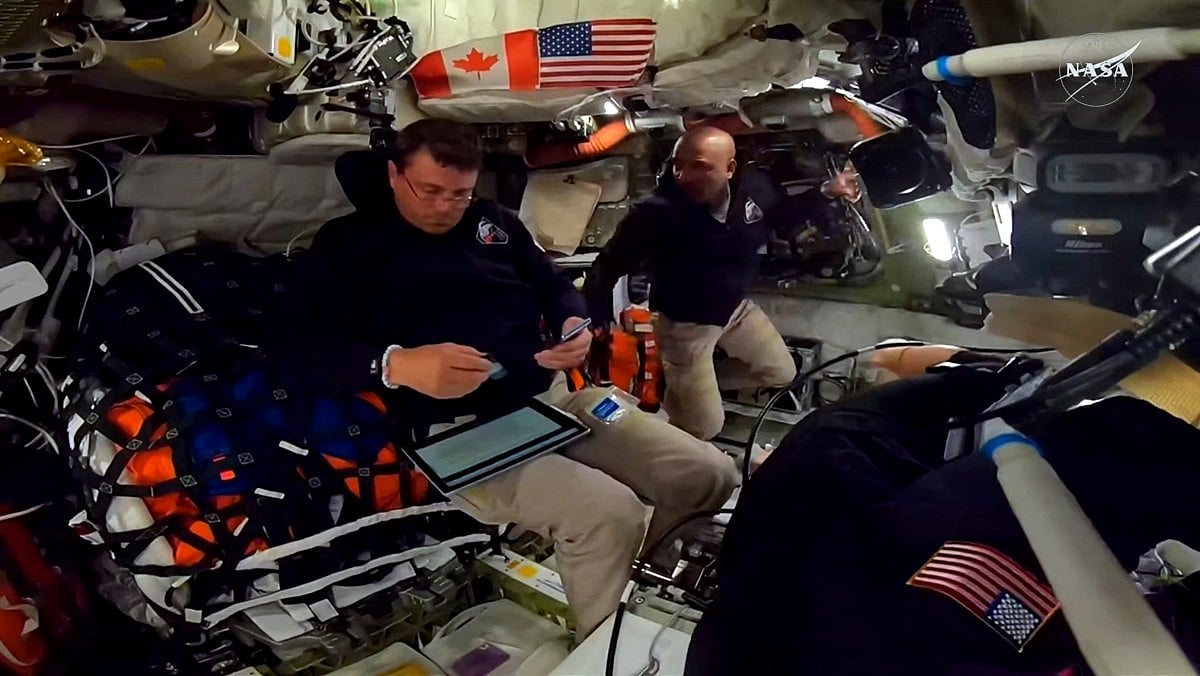
It's time for Artemis II to break Apollo 13's distance record. What to know about the moon flyby
The Artemis II astronauts are already the champions of a fresh new era of lunar exploration. Now it’s time to set a new distance record.Launched last week on humanity’s first trip to the moon since 1972, the three Americans and one Canadian are chasing after Apollo 13’s maximum range from Earth. That will make them our planet’s farthest emissaries as they swing around the moon without stopping on Monday and then hightail it back home.Their roughly six-hour lunar flyby promises views of the moon...

When extreme weather becomes everyday
According to the Kenya Meteorological Department, April marks the peak of the March-April-May rainy season in East Africa. The department says this shift from prolonged drought to unpredictable, heavy rainfall reflects a changing climate, as once-reliable seasonal patterns become increasingly erratic and less dependable for agriculture and planning.Natural climate cycles such as El Nino and La Nina have always shaped this variability. Kenya has experienced their extremes before, from the devasta...
Artemis II crew enters moon’s gravitational grip ahead of historic flyby
Nasa’s Orion capsule will be just over 4,000 miles above lunar surface, allowing astronauts to see both polesThe four astronauts on Nasa’s Artemis II mission are poised to begin the first flyby of the far side of the moon in more than half a century, bringing them to the furthest point from Earth ever reached by humans.The crew of three Americans and one Canadian earlier entered the moon’s “sphere of influence”, where its gravity has a stronger pull on the spacecraft than Earth’s. Continue readi...

Here's where the Artemis II crew is now before breaking huge record
Here's what to know about the record-breaking day expected from the Artemis II crew on its way to the moon. CBS News' Mark Strassmann and Kris Van Cleave report, and retired NASA astronaut Linda Godwin has more insight.

Artemis moon mission breaks record for distance from Earth
The four astronauts of NASA’s Artemis II mission reached the furthest point that any human has been from Earth on Monday, cruising along a path in the Moon’s gravitational sphere of influence that will soon take them over the shadowed, lunar far side. The Artemis II crew, flying in their Orion capsule since launching from Florida last week, awoke around 10:50 a.m. ET for their sixth flight day to a recorded message from late Apollo 8 and 13 astronaut Jim Lovell. “Welcome to...

Coverage of Artemis II's moon flyby
Watch live coverage as the Artemis II flight is expected to break the record for the farthest distance humans have traveled from Earth as they swing by the moon. The crew is expected to speak about surpassing the record set by Apollo 13 crew.
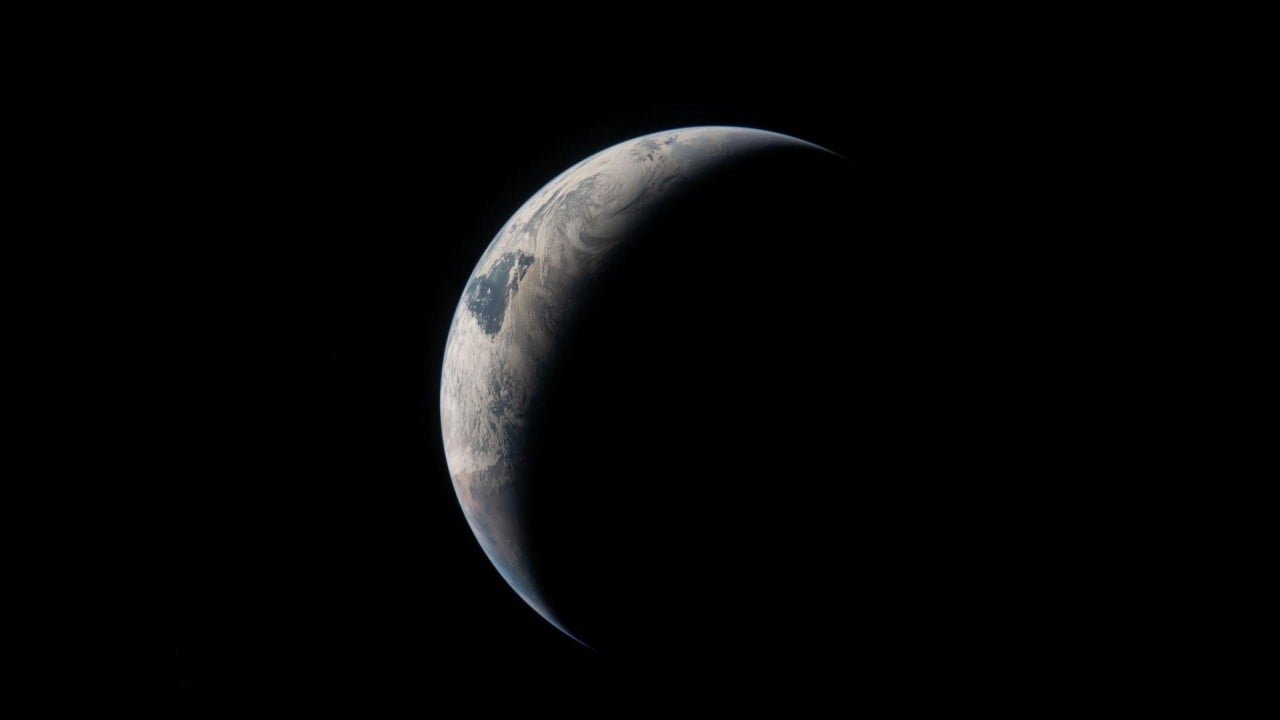
Nasa Artemis II astronauts to fly by moon’s far side
A Nasa crew of four astronauts will fly by the moon on Monday at the closest distance they will get to the lunar surface during their mission and the nearest any human has got to the moon in more than 50 years. The historic moment is set to occur just after 7pm New York time on Monday, part of a several hours-long fly-by where the astronauts will snap images of the moon’s far side – a vantage that is never seen from Earth. The close approach is the pinnacle moment of Nasa’s Artemis II mission,.....

Artemis II astronauts to set distance record with moon flyby
Live Artemis II live updates as astronauts to set distance record with moon flyby By Sarah Lynch Baldwin, Sarah Lynch Baldwin Deputy Managing Editor Sarah Lynch Baldwin is a deputy managing editor of CBSNews.com. She helps lead national and breaking news coverage and shapes editorial workflows. Read Full Bio Sarah Lynch Baldwin, Emily Mae Czachor, Emily Mae Czachor News Editor Emily Mae Czachor is a reporter and news editor at CBSNews.com. She typically covers breaking news, extreme weather and...