⚡ عاجل: كريستيانو رونالدو يُتوّج كأفضل لاعب كرة قدم في العالم●⚡ أخبار عاجلة تتابعونها لحظة بلحظة على خبر●⚡ تابعوا آخر المستجدات والأحداث من حول العالم●
AI اقتراحات ذكية
AI مباشر|--مشاهد مباشر
847,914مقال404مصدر نشط224قناة مباشرة4,653خبر اليوم
آخر تحديث:منذ 0 ثانية
World Health Day: UAE doctors on symptoms you should never ignore
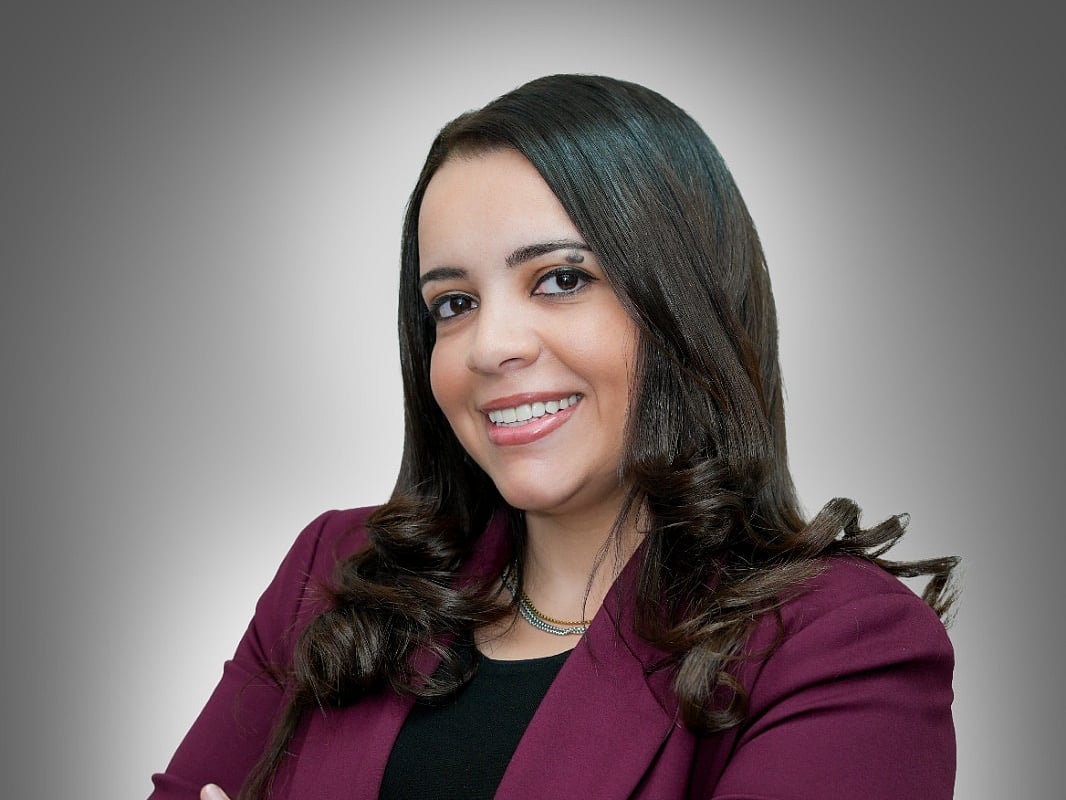
Dubai: Every year on 7 April, World Health Day serves as a global reminder to pause and take stock of our wellbeing. This year's theme, Trust Early Care, Not Online Guesswork, feels especially relevant in a world where a quick search can send you spiralling into worst-case scenarios before you have even picked up the phone to book an appointment. We spoke to four UAE-based doctors about the one thing they wish their patients would do differently, and the answer, across the board, was simple: come sooner.
Why do people wait so long?
The reasons are familiar to every doctor we spoke to. Dr Heidi Abdelhamid, General Practitioner at Medcare Medical Centre, says patients often normalise symptoms, assuming mild discomfort will sort itself out. "Busy work schedules, family responsibilities, and uncertainty about whether a symptom is serious also contribute to delays," she explains.
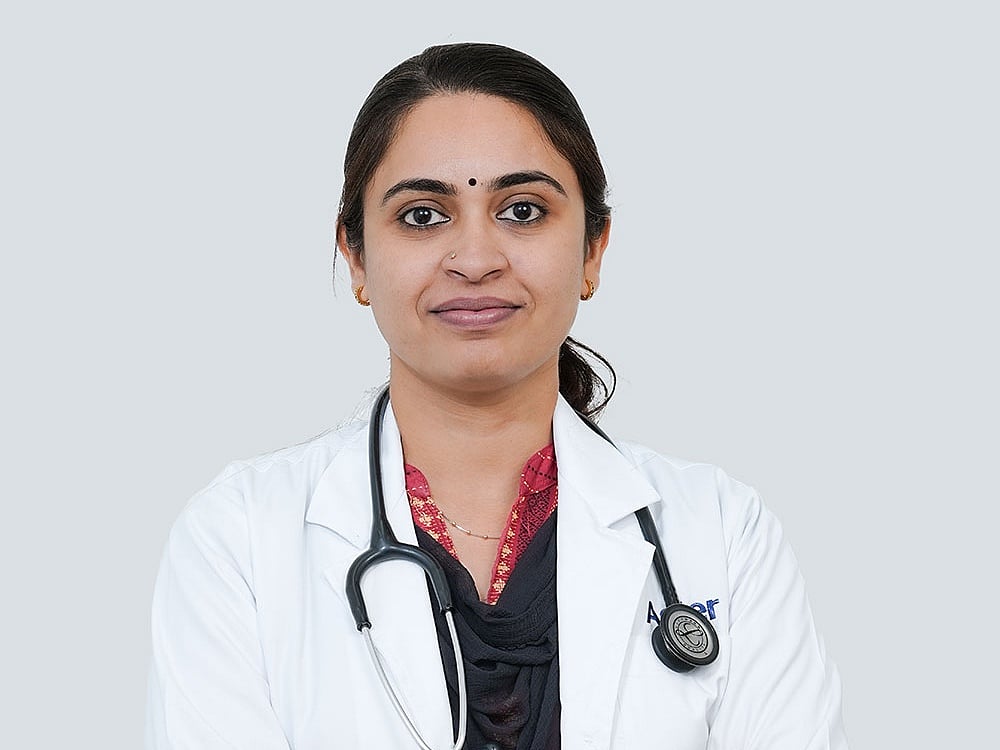
Dr Lakshmi Menon, Specialist Internal Medicine at Aster Clinic Qusais, points to something else entirely: the internet.
"Patients rely too heavily on advice from social media, WhatsApp forwards, or unverified online sources," she says. "Unfortunately, this delay can allow otherwise manageable conditions to progress. If many patients had presented even a few months earlier, treatment could often have been simpler and outcomes significantly better."
Dr Rayan Mohammed from Valeo Health describes it as the normalisation of symptoms. "Patients adapt to fatigue, weight gain, poor sleep, or digestive issues and start to believe this is their new normal," he says. "By the time they seek care, these early signals have often progressed into more complex metabolic or hormonal dysfunction."
The conditions that are largely preventable
All four doctors highlighted a similar cluster of conditions that show up repeatedly in their clinics and share one thing in common: they are largely preventable.
Type 2 diabetes
High blood pressure
Obesity and related complications
High cholesterol and fatty liver disease
Cervical cancer
Hormonal imbalances and chronic inflammation
Back and joint problems
Dr Negin Hakim, Family Medicine at Cornerstone Clinic, is particularly direct about type 2 diabetes, which she notes affects between one in four and one in six adults in the UAE. "High sugar intake, inactivity, and weight gain all increase risk," she says. "While genetics play a role, lifestyle changes can make a huge difference."
Prevention, the doctors agree, does not require dramatic overhauls. Dr Abdelhamid puts it simply: "Small, consistent habits are far more effective than short bursts of effort. Taking a 30-minute walk most days or incorporating more vegetables into daily meals can make a significant difference over time."
Get updated faster and for FREE: Download the Gulf News app now - simply click here.
Symptoms people dismiss that are actually red flags
This is where all four doctors had the most urgent things to say. Here are the symptoms they most commonly see patients brushing off:
Persistent or unexplained fatigue
Unexplained weight loss, particularly if accompanied by night sweats, fever or loss of appetite
Changes in bowel habits lasting more than a few weeks, including diarrhoea, constipation or increased frequency
Chest discomfort or breathlessness, even mild or occasional
A cough that does not resolve within three to four weeks
Brain fog, disrupted sleep, hair thinning or skin changes
Dizziness, swelling or recurring pain that affects daily life
Dr Hakim is particularly forthright about bowel changes. "We are increasingly seeing colon cancer in younger patients, yet it is still often considered an elderly disease," she says. "Any change that is consistent is a red flag, especially if accompanied by weight loss, blood in the stools, or abdominal pain."
Dr Mohammed adds that subtler signs deserve just as much attention. "Persistent fatigue, brain fog, disrupted sleep, hair thinning, and subtle weight gain are early indicators of deeper imbalances. These symptoms are signals of underlying metabolic, hormonal, or inflammatory shifts that deserve attention early, not later."
Health anxiety versus genuine vigilance
Knowing when to seek help and when you are spiralling into unnecessary worry is something the doctors think about carefully.
Dr Hakim draws a clear line between the two:
Health vigilance involves noticing changes, attending regular check-ups, acting on persistent symptoms and being able to move on after reassurance
Health anxiety involves repeated body checking, excessive online searching, frequent doctor visits without medical need, and worry that returns quickly even after being told everything is fine
"Trust your instincts," she says. "Especially parents. You know your child better than anyone. If something feels wrong, see a healthcare professional."
Dr Abdelhamid offers a practical test: consider how long a symptom has lasted, whether it has changed and whether it is affecting your daily life. If the answer to any of those is yes, it is time to make an appointment.
The one piece of advice each doctor wants you to take away
Dr Abdelhamid: "Pay attention to changes in your body and do not ignore persistent or unusual symptoms. Seeking advice early often brings clarity and peace of mind."
Dr Menon: "Choose prevention over delay and trusted medical advice over online misinformation. Do not wait for symptoms to become severe."
Dr Hakim: "Move your body daily and prioritise a diet rich in real, nutrient-dense foods. Consistency over perfection. Small daily habits beat occasional extremes."
Dr Mohammed: "Stop waiting for disease to begin before you take your health seriously. Health is built daily, not restored in crisis. Prevention is not a concept. It is a daily practice."
ملاحظة تحريرية | Editorial Note:
نُشر هذا المقال في الأصل بواسطة Gulf News.
خبر (Khabr) هي منصة إعلامية أردنية مرخّصة تعمل بالذكاء الاصطناعي.
نضيف قيمة تحريرية من خلال: تحليل ذكي للأخبار، ملخصات تلقائية، رواية صوتية بالذكاء الاصطناعي، ترجمة متعددة اللغات، وتدقيق الحقائق.
هدفنا جعل الأخبار أكثر وضوحاً وسهولةً للقارئ العربي.
This article was originally published by Gulf News.
Khabr is a licensed Jordanian AI-powered news platform (Registration #82086).
We add editorial value through: AI-powered news analysis, automated summaries, AI audio narration, multi-language translation (Arabic, English, French, Turkish), and AI fact-checking.
Our mission is to make news more accessible and understandable for Arabic-speaking audiences worldwide.
هذا الخبر ضمن تغطية خبر لقسم صحة.
نقدّم لك تحليلات ذكية وملخصات يومية لأهم الأخبار من مصادر موثوقة متعددة.
المصدر: Gulf News.
يوجد 6 مقالات مرتبطة بهذا الموضوع.
This article is part of Khabr's coverage of Health.
We provide AI-powered analysis, summaries, and multi-source aggregation to keep you informed.
Source: Gulf News.
Tags: World Health Day, symptoms, doctors.
🍪 نستخدم ملفات تعريف الارتباط لتحسين تجربتك وعرض الإعلانات المخصصة. باستخدامك للموقع، فإنك توافق على سياسة ملفات تعريف الارتباط وسياسة الخصوصية.
We use cookies to enhance your experience and show personalized ads. By using this site, you agree to our Cookie Policy and Privacy Policy.
FREEFree 1GB Internet + Free International Calls
$1 trial — eSIM in 190+ countries — No roaming charges