⚡ عاجل: كريستيانو رونالدو يُتوّج كأفضل لاعب كرة قدم في العالم●⚡ أخبار عاجلة تتابعونها لحظة بلحظة على خبر●⚡ تابعوا آخر المستجدات والأحداث من حول العالم●
AI اقتراحات ذكية
AI مباشر|--مشاهد مباشر
858,405مقال404مصدر نشط228قناة مباشرة5,816خبر اليوم
آخر تحديث:منذ 3 ثواني
World anxious to open Hormuz Strait while Trump and Iran trade threats
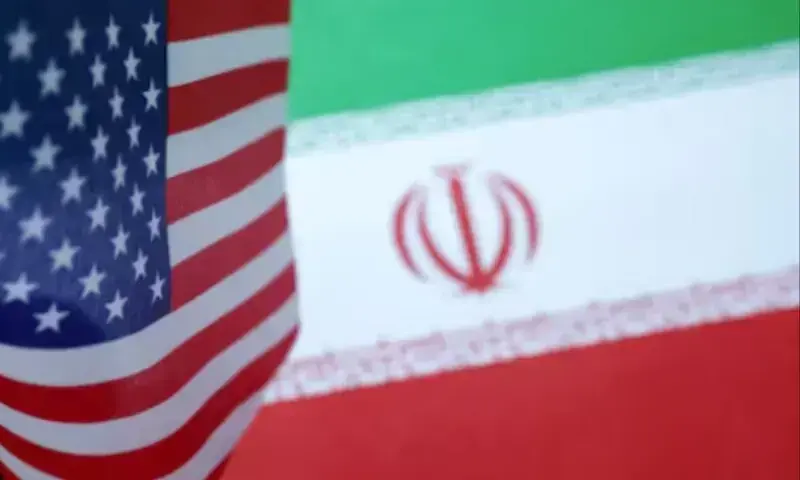
Dozens of countries sought ways to restart vital energy shipments through the Strait of Hormuz on Thursday after US President Donald Trump vowed more aggressive attacks on Iran, sending oil prices higher again and deepening strain on consumers.
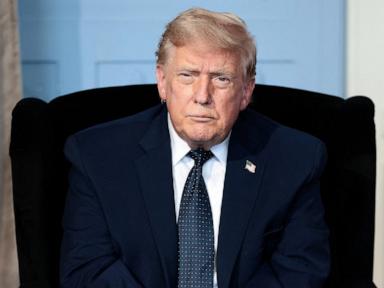
After speculation proved untrue that Trump might discuss ending the war in a speech on Wednesday, the president persisted with threats on Thursday, saying in a social media post: “IT IS TIME FOR IRAN TO MAKE A DEAL BEFORE IT IS TOO LATE”.
He also posted video of the US bombing a newly constructed bridge on Thursday between Tehran and the major northwest suburb of Karaj. The B1 bridge was scheduled to open to traffic this year. According to Iran’s state media, eight people were killed and 95 others were wounded in the US attack.
“Striking civilian structures, including unfinished bridges, will not compel Iranians to surrender,” Iran Foreign Minister Abbas Araqchi said in a statement.
In the speech on Wednesday night, Trump repeated his threats against Iran’s civilian power plants and gave no clear timeline for ending hostilities, drawing vows of retaliation from Iran and depressing share prices.
“We’re going to hit them extremely hard over the next two to three weeks,” Trump said amid mounting domestic pressure to end the conflict. “We’re going to bring them back to the Stone Ages where they belong.” Nearly five weeks after it started with a joint US-Israeli aerial assault, the war in Iran continues to spread chaos across the region and roil financial markets, raising the pressure on Trump to find a quick resolution to the conflict.
Britain chaired a virtual meeting on Thursday of some 40 countries to explore ways to restore freedom of navigation that did not produce any specific agreement, although participants agreed that all nations should be able to use the waterway freely, one official said.
Iran has effectively shut down the Strait of Hormuz, which normally carries about a fifth of the world’s total oil trade, in retaliation for US-Israeli attacks that began on February 28. The war has caused an increase in oil prices, inflation concerns, supply-chain problems and worries about the impact on the global economy.
Tehran offered a competing vision for future control of the strait, and said it was drafting a protocol with neighboring Oman that would require ships to obtain permits and licenses.
“These requirements will not mean restrictions, but rather to facilitate and ensure safe passage and provide better services to ships that pass through this route,” Deputy Foreign Minister Kazem Gharibabadi said, according to the official IRNA news agency.
An Iranian military spokesperson said the strait would remain closed “long term” to the US and Israel.
Oil hits
$108 Benchmark Brent crude prices jumped by about 7 per cent to around $108 per barrel, US bond yields spiked and global equity markets gave back gains.
“The key question in all investors’ minds is when is this going to be over?” said Russel Chesler, head of investments and capital markets at VanEck Australia.
Trump in Wednesday’s speech, told countries that rely on fuel shipments through the Strait of Hormuz to “just grab it”.
However, European and other states have said they will only help secure the strait if there is a ceasefire.
“It can only be done in consultation with Iran,” French President Emmanuel Macron said.
Iran threatens more attacks
Iran’s armed forces responded to Trump with a warning of “more crushing, broader and more destructive” attacks in store.
The war will continue until the “permanent regret and surrender” of Iran’s enemies, said Ebrahim Zolfaqari, spokesperson for the Iranian military’s Khatam al-Anbiya central headquarters, in a statement carried by Iranian media.
Iran’s Fars news agency later listed several bridges in Saudi Arabia, Kuwait, Abu Dhabi and Jordan, which host US military bases, as potential targets for Iran’s military in response to the US attack on the B1 bridge. The Revolutionary Guards said they had targeted an Amazon cloud computing centre in Bahrain.
There are fears the conflict may leave Iran with a stranglehold over Middle East energy supplies now that it has shown that it can block the Strait of Hormuz by targeting oil tankers and attacking Gulf countries hosting US troops.
ملاحظة تحريرية | Editorial Note:
نُشر هذا المقال في الأصل بواسطة Dawn.
خبر (Khabr) هي منصة إعلامية أردنية مرخّصة تعمل بالذكاء الاصطناعي.
نضيف قيمة تحريرية من خلال: تحليل ذكي للأخبار، ملخصات تلقائية، رواية صوتية بالذكاء الاصطناعي، ترجمة متعددة اللغات، وتدقيق الحقائق.
هدفنا جعل الأخبار أكثر وضوحاً وسهولةً للقارئ العربي.
This article was originally published by Dawn.
Khabr is a licensed Jordanian AI-powered news platform (Registration #82086).
We add editorial value through: AI-powered news analysis, automated summaries, AI audio narration, multi-language translation (Arabic, English, French, Turkish), and AI fact-checking.
Our mission is to make news more accessible and understandable for Arabic-speaking audiences worldwide.
هذا الخبر ضمن تغطية خبر لقسم سياسة.
نقدّم لك تحليلات ذكية وملخصات يومية لأهم الأخبار من مصادر موثوقة متعددة.
المصدر: Dawn.
يوجد 6 مقالات مرتبطة بهذا الموضوع.
This article is part of Khabr's coverage of Politics.
We provide AI-powered analysis, summaries, and multi-source aggregation to keep you informed.
Source: Dawn.
Tags: Iran, Trump, Hormuz Strait.
🍪 نستخدم ملفات تعريف الارتباط لتحسين تجربتك وعرض الإعلانات المخصصة. باستخدامك للموقع، فإنك توافق على سياسة ملفات تعريف الارتباط وسياسة الخصوصية.
We use cookies to enhance your experience and show personalized ads. By using this site, you agree to our Cookie Policy and Privacy Policy.
FREEFree 1GB Internet + Free International Calls
$1 trial — eSIM in 190+ countries — No roaming charges