Why warm and helpful people may have fewer friends, according to psychology
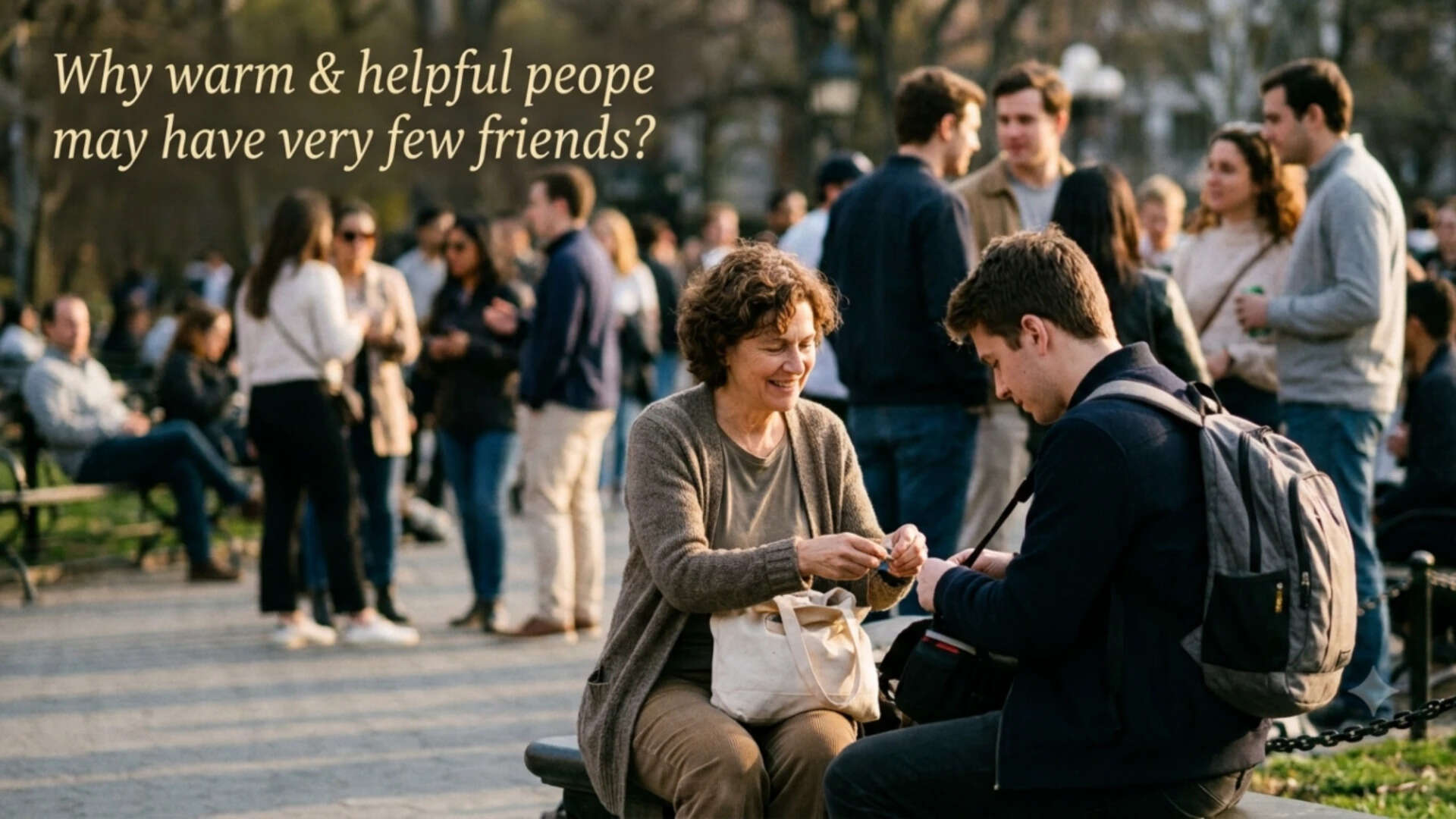
•Helping friends constantly, from airport pick-ups to providing emotional support, may be a cover for deep-rooted insecurities.
•Psychologists note this 'caretaker' behavior often arises from an association of worth with usefulness, acting as a defense to shield oneself from vulnerability.
•This dynamic can create superficial relationships where the helpers feel unappreciated and overly exhausted, ultimately leading to isolation despite their admirable generosity.
هذا الخبر من Times of India. خبر يقدم أدوات ذكاء اصطناعي للتلخيص والترجمة والاستماع.
Helping friends constantly, from airport pick-ups to providing emotional support, may be a cover for deep-rooted insecurities. Psychologists note this 'caretaker' behavior often arises from an association of worth with usefulness, acting as a defense to shield oneself from vulnerability. This dynamic can create superficial relationships where the helpers feel unappreciated and overly exhausted, ultimately leading to isolation despite their admirable generosity.المصدر: Times of India | Source: Times of India
ملاحظة تحريرية | Editorial Note: نُشر هذا المقال في الأصل بواسطة Times of India. خبر (Khabr) هي منصة إعلامية أردنية مرخّصة تعمل بالذكاء الاصطناعي. نضيف قيمة تحريرية من خلال: تحليل ذكي للأخبار، ملخصات تلقائية، رواية صوتية بالذكاء الاصطناعي، ترجمة متعددة اللغات، وتدقيق الحقائق. هدفنا جعل الأخبار أكثر وضوحاً وسهولةً للقارئ العربي.
This article was originally published by Times of India. Khabr is a licensed Jordanian AI-powered news platform (Registration #82086). We add editorial value through: AI-powered news analysis, automated summaries, AI audio narration, multi-language translation (Arabic, English, French, Turkish), and AI fact-checking. Our mission is to make news more accessible and understandable for Arabic-speaking audiences worldwide.