WHO chief warns of possible new hantavirus cases in next six weeks in latest update
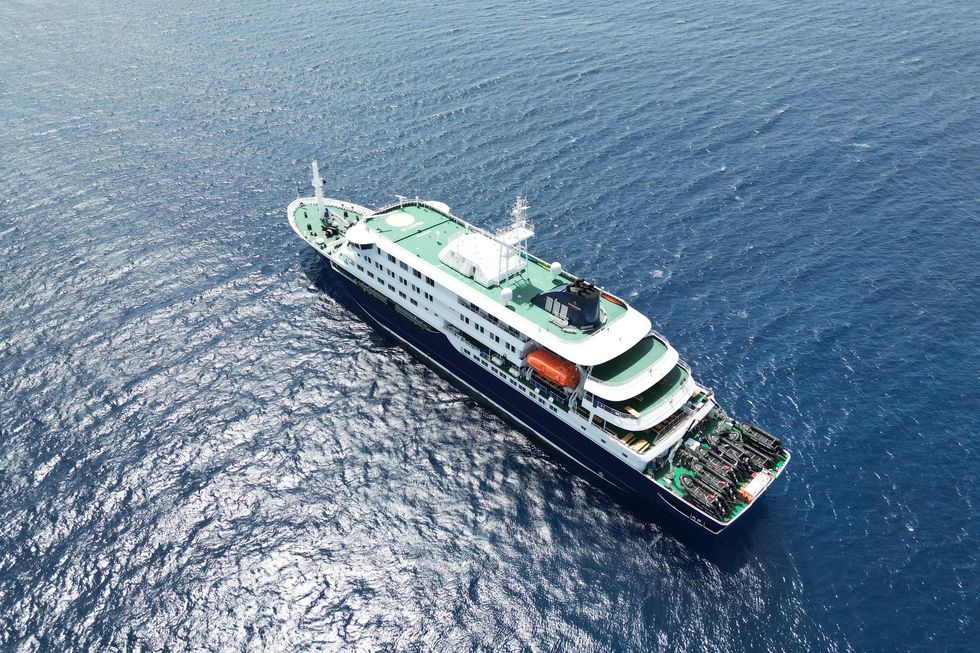
•The World Health Organization has confirmed five of the eight suspected hantavirus cases linked to the MV Hondius cruise ship have now been verified, with three fatalities recorded.WHO Director Genera...
•TRENDING Stories Videos Your Say The vessel departed Argentina approximately one month ago and is presently making its way towards the Canary Islands, where it is anticipated to arrive this weeke...
•Our Standards: The GB News Editorial Charter
هذا الخبر من GB News. خبر يقدم أدوات ذكاء اصطناعي للتلخيص والترجمة والاستماع.
المصدر: GB News | Source: GB NewsThe World Health Organization has confirmed five of the eight suspected hantavirus cases linked to the MV Hondius cruise ship have now been verified, with three fatalities recorded.
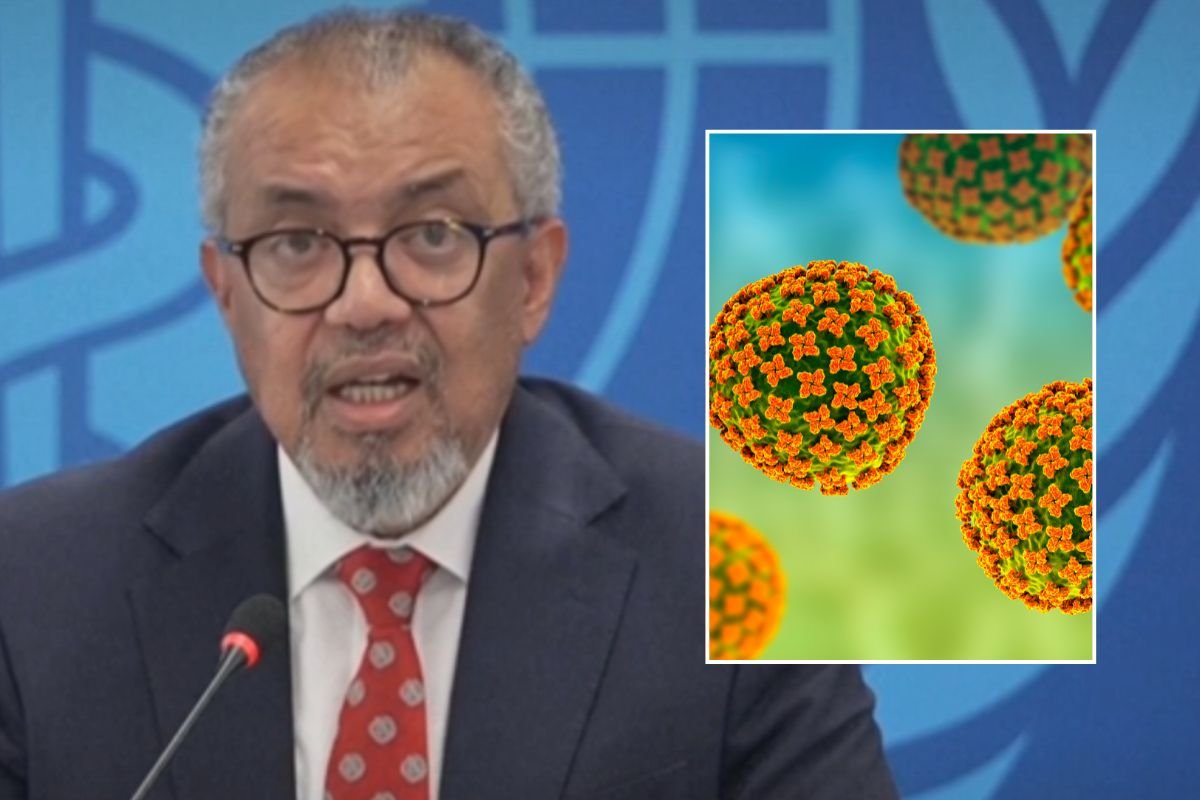
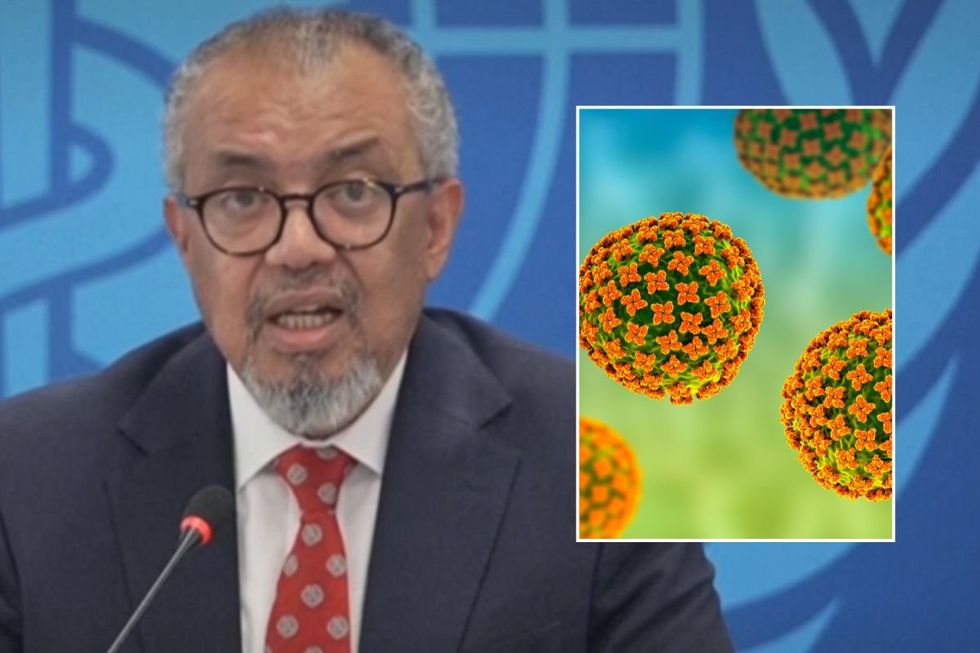
WHO Director General Tedros Ghebreyesus addressed journalists today, revealing that British authorities had alerted the organisation last Saturday regarding a cluster of respiratory illness among passengers aboard the vessel.
Despite the gravity of the situation, Dr Tedros stressed that the global health body considers the risk to the wider public to be minimal.
"While this is a serious incident, WHO assesses the public health risk as low," he stated during the press conference.
TRENDINGStoriesVideosYour SayThe vessel departed Argentina approximately one month ago and is presently making its way towards the Canary Islands, where it is anticipated to arrive this weekend.
The outbreak's origins remain unclear, though the sequence of events has since been established.
On April 9, a male passenger began displaying symptoms whilst aboard the ship, yet hantavirus was not initially suspected, and no samples were collected at that stage.
LATEST DEVELOPMENTS:
- Plant-based meat and milk alternatives found to contain toxins linked to 'liver damage and cancer'
- Fight attendant in isolation after contact with passenger linked to hantavirus case
- Sixteen people fall ill after outbreak of contagious disease at lamb feeding
His wife subsequently disembarked when the Hondius docked at St Helena, before later succumbing to the illness in Johannesburg.
It was in South Africa that laboratory testing finally "confirmed as hantavirus", according to Dr Tedros.
Health authorities across three nations are now engaged in tracing individuals who departed the ship prior to the outbreak's detection, with efforts concentrated in the United Kingdom, Switzerland and the Netherlands.
Dr Tedros explained human-to-human transmission of this particular hantavirus strain occurs only rarely, noting that previous outbreaks saw the virus spread solely through "prolonged contact" between individuals.
The WHO chief cautioned that additional cases may yet emerge, given that the virus can take up to six weeks to manifest symptoms.
"Given the incubation period of this virus, which can be up to six weeks, it’s possible that more cases may be reported," he said.
At present, no other passengers or crew members aboard the Hondius are exhibiting any signs of illness.
Our Standards: The GB News Editorial Charter
ملاحظة تحريرية | Editorial Note: نُشر هذا المقال في الأصل بواسطة GB News. خبر (Khabr) هي منصة إعلامية أردنية مرخّصة تعمل بالذكاء الاصطناعي. نضيف قيمة تحريرية من خلال: تحليل ذكي للأخبار، ملخصات تلقائية، رواية صوتية بالذكاء الاصطناعي، ترجمة متعددة اللغات، وتدقيق الحقائق. هدفنا جعل الأخبار أكثر وضوحاً وسهولةً للقارئ العربي.
This article was originally published by GB News. Khabr is a licensed Jordanian AI-powered news platform (Registration #82086). We add editorial value through: AI-powered news analysis, automated summaries, AI audio narration, multi-language translation (Arabic, English, French, Turkish), and AI fact-checking. Our mission is to make news more accessible and understandable for Arabic-speaking audiences worldwide.