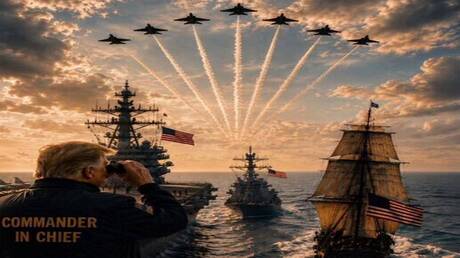
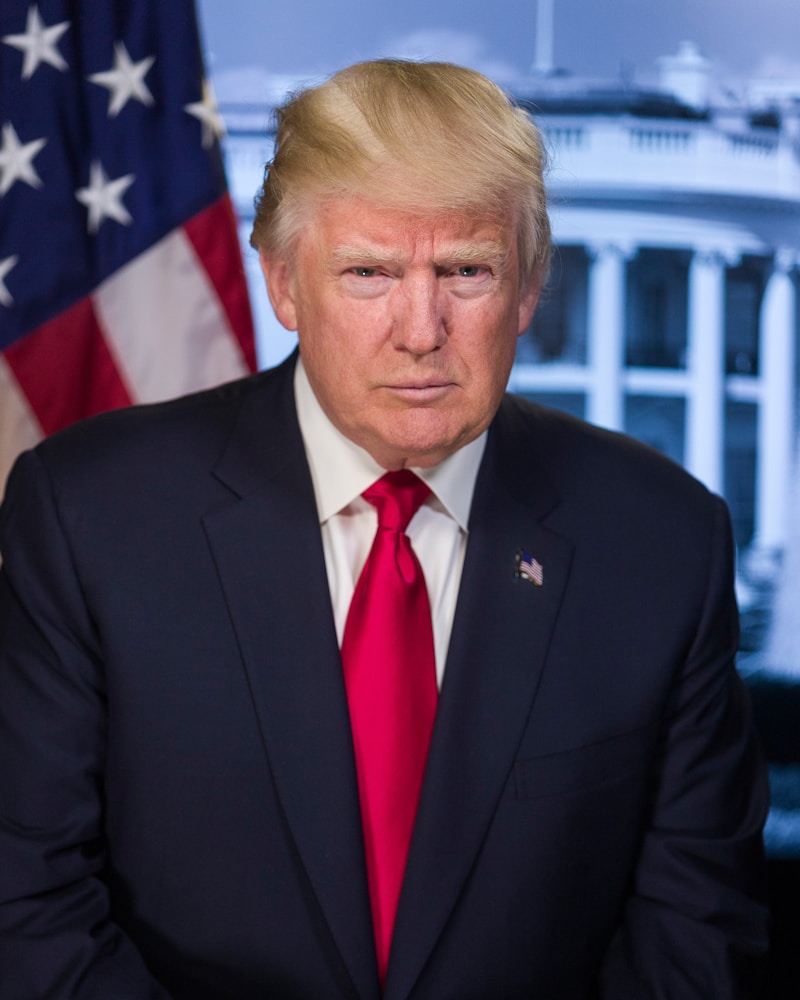
US–NATO rift deepens: Is Trump preparing for an exit?
DUBAI 23°CGOLD/FOREXPRAYER TIMESNEWSLETTERSLOGIN GOLD/FOREXDUBAI 23°CPRAYER TIMES WORLDWORLDGULFMENAEUROPEAFRICAAMERICASASIAAUSTRALIA-NEW ZEALANDCORRECTIONS World / AmericasUS–NATO rift deepens: Is Trump preparing for an exit?Remarks revive questions over alliance future — and what US withdrawal could mean The future of the North Atlantic Treaty Organisation (NATO) is under renewed scrutiny after US President Donald Trump signalled he is considering pulling Washington out of the alliance, amid growing tensions with European partners over the Iran conflict. Trump’s remarks — coupled with warnings from Secretary of State Marco Rubio that the US may “re-examine” NATO — come as a widening transatlantic rift emerges, with European countries declining to support US military operations and restricting access to bases and airspace. The sharp rhetoric has raised a critical question: Is the United States preparing to exit NATO — and what would that mean for global security? Trump has taken an increasingly confrontational tone toward NATO allies, accusing them of failing to support US efforts during the Iran conflict and its aftermath. He publicly criticised countries like France and the United Kingdom, urging them to “start learning how to fight for yourself” and suggesting they should secure their own energy routes. His administration has framed the dispute around burden-sharing, arguing that the US has done “the heavy lifting” while allies have hesitated to contribute militarily — particularly in securing critical routes like the Strait of Hormuz. There is no formal withdrawal process underway — but the rhetoric marks one of the most serious challenges to NATO’s unity in decades. Trump has said withdrawal is “beyond reconsideration,” while Rubio has indicated Washington may “re-examine” the alliance if it does not serve US interests. However, leaving NATO would be legally, politically and strategically complex, requiring congressional involvement and carrying major geopolitical risks. European leaders argue that NATO is fundamentally a defensive alliance, not a vehicle for supporting external military campaigns initiated by individual members. The Iran conflict is “not NATO’s war” Article 5 applies only when a member is attacked National interests and legal limits shape military participation At the same time, some allies — including the UK — have continued defensive deployments in the Gulf, signalling that cooperation persists despite disagreements. NATO was founded in 1949 in the aftermath of World War II, as Western nations sought to counter the Soviet Union and prevent future large-scale conflict in Europe. Its core principle is collective defence under Article 5 — an attack on one member is treated as an attack on all. From an initial group of 12 countries, NATO has expanded to more than 30 members, becoming the cornerstone of transatlantic security. Core principle: Collective defence (Article 5) Largest contributor: United States Only Article 5 invocation: After 9/11 attacks The United States has long been the central pillar of NATO, shaping its strategy, operations and capabilities. It contributes the largest share of defence spending Provides critical military assets, including nuclear deterrence Leads major missions and planning efforts The alliance has been involved in operations ranging from Cold War deterrence to the Afghanistan war after the September 11 attacks — the only time Article 5 has been invoked. A US withdrawal would fundamentally alter the global security landscape. NATO loses its strongest military power European defence capabilities are weakened Deterrence against rivals like Russia could decline Europe may accelerate plans for independent defence systems Global alliances could shift significantly Strategic rivals may seek to exploit divisions Yes — tensions over burden-sharing have persisted for years. Successive US administrations have urged European allies to increase defence spending, with Trump repeatedly questioning NATO’s value even before the current crisis. What sets this moment apart is the combination of active conflict, operational disagreements and explicit talk of withdrawal. For now, NATO remains intact — but the alliance is facing one of its most serious internal tests. The next phase will depend on whether the US follows through on its rhetoric, how the Iran conflict evolves and whether diplomatic efforts can ease tensions. Even without a formal withdrawal, the current dispute may mark a turning point — forcing NATO to adapt to a more fragmented and uncertain global order. Trump's war goals unmet as he eyes Iran wind-down Trump fumes at Nato over lack of support on Hormuz Not NATO’s war: Germany, UK push back on Trump pressure Europe wary as Iran war deepensالمصدر: Gulf News | Source: Gulf News
ملاحظة تحريرية | Editorial Note: نُشر هذا المقال في الأصل بواسطة Gulf News. خبر (Khabr) هي منصة إعلامية أردنية مرخّصة تعمل بالذكاء الاصطناعي. نضيف قيمة تحريرية من خلال: تحليل ذكي للأخبار، ملخصات تلقائية، رواية صوتية بالذكاء الاصطناعي، ترجمة متعددة اللغات، وتدقيق الحقائق. هدفنا جعل الأخبار أكثر وضوحاً وسهولةً للقارئ العربي.
This article was originally published by Gulf News. Khabr is a licensed Jordanian AI-powered news platform (Registration #82086). We add editorial value through: AI-powered news analysis, automated summaries, AI audio narration, multi-language translation (Arabic, English, French, Turkish), and AI fact-checking. Our mission is to make news more accessible and understandable for Arabic-speaking audiences worldwide.