Oil Prices Remain Stable Amid US-Iran Negotiations
In recent trading sessions, oil prices have shown little fluctuation, reflecting a careful balancing act by investors as they digest the implications of a potential peace deal between the United States and Iran. As the geopolitical landscape evolves, particularly regarding the safety of shipping routes through the pivotal Hormuz Strait, market participants are weighing their options cautiously.
Impact of the US-Iran Peace Talks on Oil Markets
The possibility of a US-Iran peace agreement, aimed at curtailing nuclear tensions and fostering diplomatic relations, has sparked discussions on its potential impact on global oil supply. Analysts suggest that a successful resolution could lead to a lifting of sanctions on Iranian oil exports, which would significantly alter the dynamics of the global oil market.
Currently, Iran's oil production is hampered by stringent US sanctions, limiting its ability to engage fully in international oil trade. However, should the negotiations yield positive results, increased Iranian production could flood the market, placing downward pressure on oil prices in the short term.
Hormuz Strait: A Critical Geopolitical Hotspot
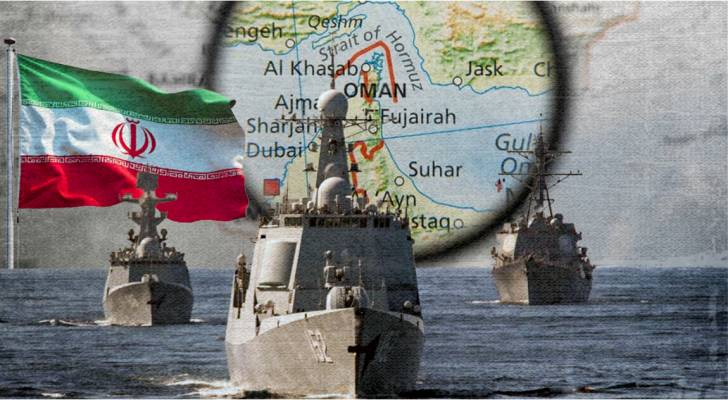
The Strait of Hormuz remains a focal point of concern for oil traders and investors alike. This narrow waterway, through which approximately 20% of the world's crude oil passes, is often described as the world's most important oil chokepoint. Escalating tensions in the region, including military maneuvers and maritime confrontations, have created an atmosphere of uncertainty that continues to influence oil prices.
In light of these developments, traders are closely monitoring any signs of instability in the Strait. Any military action or disruptions in this critical area could lead to dramatic spikes in oil prices, as supply fears override other market dynamics. Conversely, a peaceful resolution could stabilize the market, encouraging investors to take a more long-term view on oil investments.
Market Reactions and Future Outlook
As of now, benchmark crude futures are hovering just above the $70 per barrel mark, reflecting a market in wait-and-see mode. Investors are advised to remain vigilant as the situation develops, taking into account not only the potential for increased Iranian supply but also the ongoing risk of geopolitical flare-ups in the region.
Moreover, analysts are urging caution, emphasizing the need for diversification in energy investments as the landscape could shift rapidly. While a peace deal may initially seem beneficial for oil prices, the long-term effects could vary depending on how quickly and effectively Iranian oil is reintroduced into the global market.
Conclusion
In summary, oil prices remain largely unchanged as investors carefully assess the implications of the US-Iran peace negotiations and the ongoing uncertainties surrounding the Hormuz Strait. With geopolitical tensions continuously affecting the dynamics of oil supply and demand, stakeholders in the energy sector are advised to stay informed and prepared for rapid market changes.