⚡ عاجل: كريستيانو رونالدو يُتوّج كأفضل لاعب كرة قدم في العالم●⚡ أخبار عاجلة تتابعونها لحظة بلحظة على خبر●⚡ تابعوا آخر المستجدات والأحداث من حول العالم●
AI اقتراحات ذكية
AI مباشر|--مشاهد مباشر
889,951مقال401مصدر نشط228قناة مباشرة4,414خبر اليوم
For centuries, naval blockades have shaped wars, trade, and geopolitics.
They’re a powerful form of economic warfare — choking off commerce without a land invasion, but still sending shockwaves through food supplies, fuel markets, and national security.
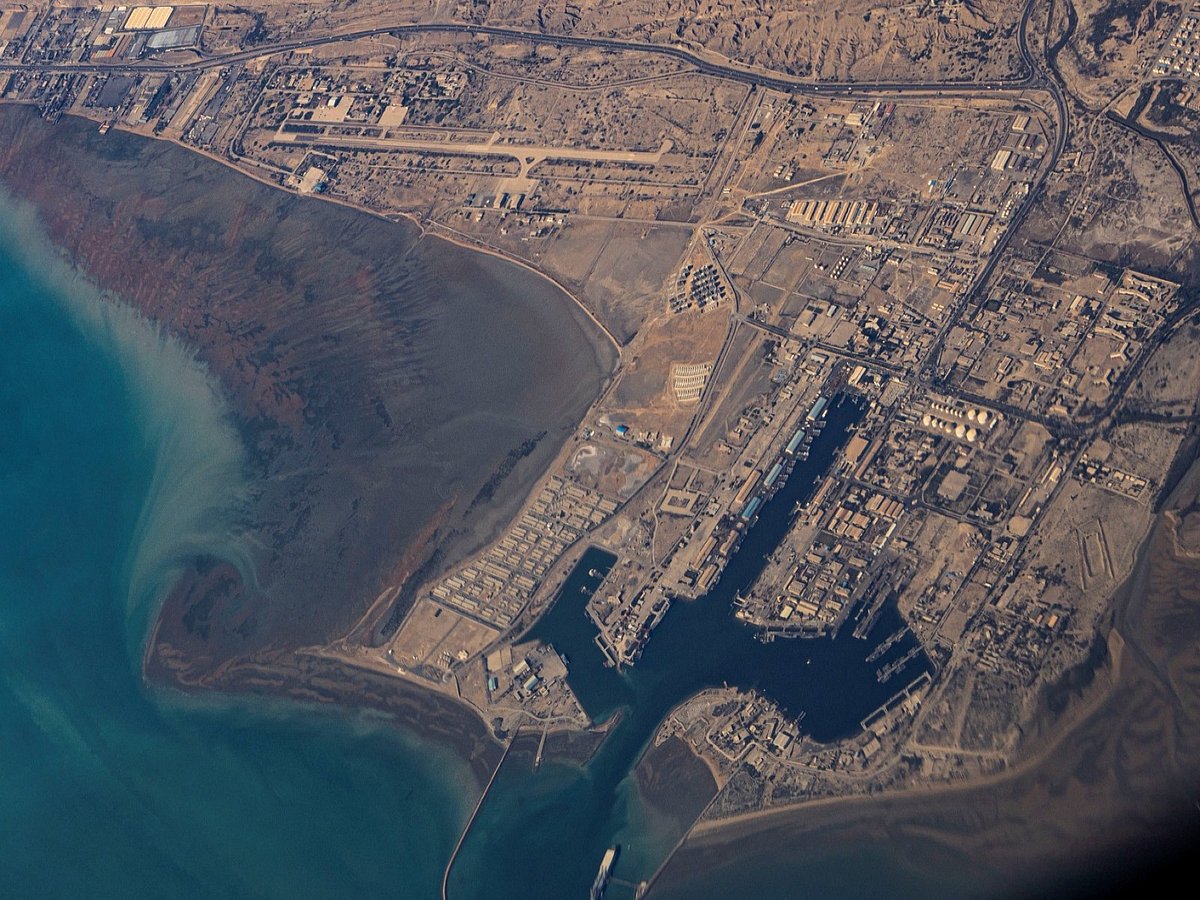
After weeks of Tehran's threat to commercial shipping in the Strait of Hormuz amid the US-Israel war with Iran, the US military has announced a naval blockade against shipping from and going to Iran, starting 6pm Gulf Standard Time/GST (1400 GMT, 10AM ET) on Monday, April 13, 2026.
Analysts call it an "escalation".
Already, a new wave of oil price spikes kicked off on Monday (April 13) in early Asian trade, with WTI nearly 9% up and Brent almost 8% higher as of 12noon Tokyo time.
Oil prices jump
Trump admitted overnight on Sunday (April 12) that oil and gasoline prices could remain elevated through November’s midterm elections, in a rare acknowledgment of possible political fallout from his decision to strike Iran on Feb. 28.
Certain US lawmakers have questioned Trump's strategy, arguing that it may fail to deter adversaries while increasing the risk of broader conflict and further pressure on global oil supplies.
Asked whether energy costs would ease by the fall, Trump said: “It could be, or the same, or maybe a little bit higher, but it should be around the same,” he said, suggesting prices may stay persistently high in the months ahead.
WHAT IS A NAVAL BLOCKADE? A naval blockade is a military measure that stops ships from entering or leaving enemy ports or waters to cut off trade, supplies or military access. It’s considered a form of economic and strategic pressure short of full ground war — but it can dramatically disrupt commerce and the flow of goods.
His comments come as energy markets remain volatile following the breakdown of negotiations with Tehran and renewed US military action, which has heightened concerns over regional stability and supply risks.
What the blockade means
The blockade marks a shift away from diplomacy toward a more coercive approach, warning it could deepen tensions in the Middle East.
Trump himself has said he "doesn't care" whether or not Iran goes back to the negotiating table.
Trump's remarks and the volatility of the current situation, underscore growing political sensitivity around fuel prices in an election year, when energy costs often play a decisive role in voter sentiment.
Why is the US announcing one now?
Trump and US Central Command said the blockade is a response to the failure of peace talks with Iran in Islamabad and Tehran’s control over shipping through the Strait of Hormuz — a chokepoint that handles about 20% of the world’s oil and gas shipments.
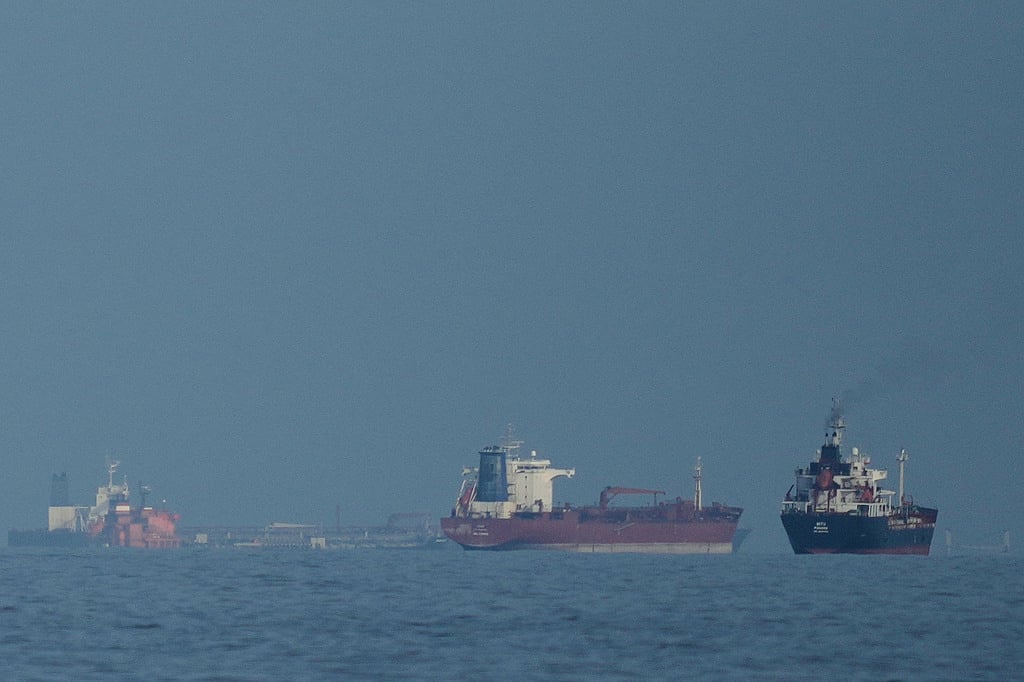
Oil tankers and cargo ships line up in the Strait of Hormuz. File photo taken on Wednesday, March 11, 2026.
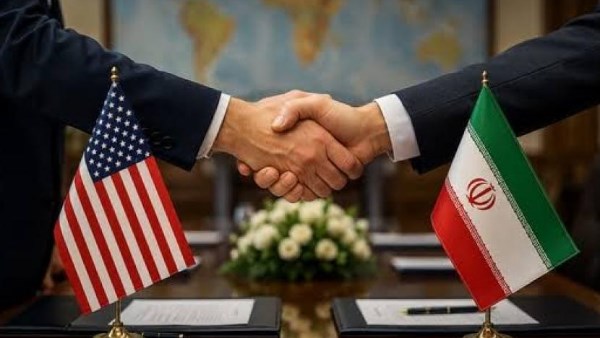
In the first high-level face-to-face meeting between Iran and the US in 47 years, negotiations collapsed.
The US has immediately announced it would begin blocking maritime traffic entering and exiting Iranian ports starting April 13 (10 am ET, 1400 GMT, 6PM GST), aiming to pressure Tehran and counter its effective restriction of the vital route.
CentCom clarified that commerce between non-Iranian ports would still be allowed through the strait.
Why it matters
A blockade at the Strait of Hormuz — even if targeted at Iranian ports — can disrupt energy markets and global trade, heightening the stakes for diplomatic and military dynamics in the Middle East.
Iran had been imposing indirect control — including tolls and warnings of naval minefields — that slowed global shipping and kept oil markets volatile.
Trump has warned that global oil prices will remain elevated till the November mid-term elections in the US, Reuters reported.
A TIMELINE OF NAVAL BLOCKADES
Naval blockades shaped wars, trade, and geopolitics. They are powerful tools of economic warfare — often stopping trade without immediate land invasion, but with ripple effects on food, fuel and security.
1) Peloponnesian War (431–404 BC)
Athens used its navy to blockade Spartan allies and control sea trade in the Aegean, showing early use of sea power to choke supplies.
2) Napoleonic Wars — British Blockade of France
The Royal Navy blockaded French ports for years, crippling Napoleon’s trade and contributing to his defeat.
3) American Civil War — Union Blockade
The Union’s “Anaconda Plan” sealed Confederate ports, starving the South of weapons, goods and export income.
4) World War I — Allied Blockade of Germany
Britain blockaded Germany, causing severe shortages that weakened the German war effort and civilian morale.
5) World War II — Atlantic & Pacific blockades
Allied naval power restricted Axis shipping lanes; U-boats and counter-blockades made sea control central to the war.
6) Cuban Missile Crisis — “Naval Quarantine”
The US avoided the word blockade (an act of war) and imposed a “quarantine” to stop Soviet missiles reaching Cuba.
7) Iran-Iraq War — Tanker War
Both sides attacked oil tankers in the Gulf, effectively blockading energy flows without formal declarations.
8) Gulf War
A UN-backed naval blockade cut Iraq off from maritime trade after its invasion of Kuwait.
9) Yemen Conflict — Red Sea restrictions
Naval restrictions and inspections around Yemen disrupted commercial and aid shipping.
ملاحظة تحريرية | Editorial Note:
نُشر هذا المقال في الأصل بواسطة Gulf News.
خبر (Khabr) هي منصة إعلامية أردنية مرخّصة تعمل بالذكاء الاصطناعي.
نضيف قيمة تحريرية من خلال: تحليل ذكي للأخبار، ملخصات تلقائية، رواية صوتية بالذكاء الاصطناعي، ترجمة متعددة اللغات، وتدقيق الحقائق.
هدفنا جعل الأخبار أكثر وضوحاً وسهولةً للقارئ العربي.
This article was originally published by Gulf News.
Khabr is a licensed Jordanian AI-powered news platform (Registration #82086).
We add editorial value through: AI-powered news analysis, automated summaries, AI audio narration, multi-language translation (Arabic, English, French, Turkish), and AI fact-checking.
Our mission is to make news more accessible and understandable for Arabic-speaking audiences worldwide.
هذا الخبر ضمن تغطية خبر لقسم سياسة.
نقدّم لك تحليلات ذكية وملخصات يومية لأهم الأخبار من مصادر موثوقة متعددة.
المصدر: Gulf News.
يوجد 6 مقالات مرتبطة بهذا الموضوع.
This article is part of Khabr's coverage of Politics.
We provide AI-powered analysis, summaries, and multi-source aggregation to keep you informed.
Source: Gulf News.
Tags: naval blockade, Iran, US government.
🍪 نستخدم ملفات تعريف الارتباط لتحسين تجربتك وعرض الإعلانات المخصصة. باستخدامك للموقع، فإنك توافق على سياسة ملفات تعريف الارتباط وسياسة الخصوصية.
We use cookies to enhance your experience and show personalized ads. By using this site, you agree to our Cookie Policy and Privacy Policy.
🔍
FREEFree 1GB Internet + Free International Calls
$1 trial — eSIM in 190+ countries — No roaming charges