Introduction
The Middle East is home to some of the world's wealthiest individuals, with fortunes amassed from lucrative industries, strategic investments, and innovative ventures. This article explores how the richest Arab billionaires made their fortunes, highlighting their net worth, timelines of success, and surprising facts that may shock you.
1. The Oil Tycoons
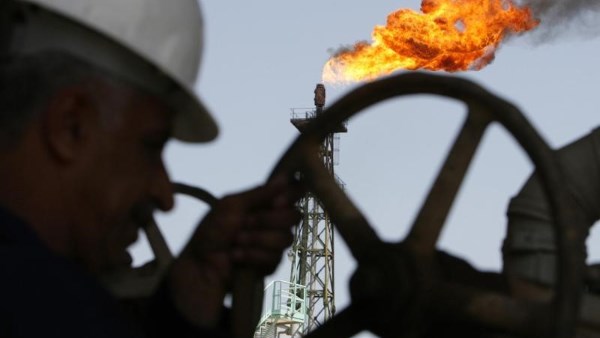
Leading the pack are the oil magnates, whose wealth skyrocketed during the oil boom of the 20th century. Notable figures like:
- Mohammed bin Salman (Net Worth: $1.4 billion) - The Crown Prince of Saudi Arabia, known for his ambitious Vision 2030 plan.
- Al Nahyan Family (Net Worth: Estimated $150 billion) - Dominating the oil industry in Abu Dhabi, their wealth continues to grow with rising oil prices.
2. Construction Magnates
As the region transformed, so did opportunities for construction billionaires:
- Abdullah Al Futtaim (Net Worth: $4.6 billion) - His family empire started with a small trading company and expanded into real estate and automotive.
- Mohammed Al Habtoor (Net Worth: $1.5 billion) - A pivotal player in Dubai’s construction boom with lucrative real estate investments.
3. Tech Innovators
Recently, Arab billionaires have emerged from the tech scene:
- Ronaldo Mouchawar (Net Worth: $1 billion) - Co-founder of Souq.com, often dubbed the 'Amazon of the Middle East'.
- Fadi Ghandour (Net Worth: $1.1 billion) - Founder of Aramex, a logistics company that reinvented e-commerce in the region.
4. Luxury Brands & Diversification
Many billionaires have diversified into luxury brands, showcasing their wealth:
- Sultan Ahmed bin Sulayem (Net Worth: $1.3 billion) - A leader in the luxury goods sector with strategic investments in various high-end brands.
- Saleh Kamel (Net Worth: $2 billion) - His investments span telecommunications, media, and luxury hotels.
Timeline of Success
Understanding the journey of Arab billionaires requires a look at pivotal moments:
- 1973: Global oil crisis leads to a wealth boom for oil-exporting nations.
- 1980s: Diversification into construction and real estate begins.
- 2000s: Tech investments emerge, with startups gaining traction.
- 2010s: Luxury markets expand, with billionaires investing in global brands.
Surprising Facts
Learn more about these billionaires and their unexpected ventures:
- Many are investing heavily in sustainable energy, aiming to transition away from oil dependency.
- Philanthropy is a key focus, with billions pledged to charitable initiatives across the region.
- Some billionaires have turned to entertainment, investing in film and media to broaden their influence.
Conclusion
The wealth of the richest Arab billionaires is not merely a product of their industries; it reflects their ability to adapt and innovate. As they continue to evolve their strategies, their stories serve as a roadmap for aspiring entrepreneurs worldwide, demonstrating that fortune favors the bold.