Introduction to Protein and Muscle Building
Protein is a fundamental component of muscle growth and repair. According to the American College of Sports Medicine, athletes should consume 1.2 to 2.0 grams of protein per kilogram of body weight to optimize muscle strength and recovery. From plant-based options to animal sources, a diverse protein intake can significantly enhance your fitness journey.
The Best Protein Foods for Muscle Growth
- Chicken Breast: A staple for bodybuilders, chicken breast offers about 26 grams of protein per 3-ounce serving and is low in fat.
- Eggs: Rich in protein and healthy fats, one large egg contains about 6 grams of high-quality protein and is an excellent post-workout snack.
- Greek Yogurt: This creamy treat packs a protein punch, delivering around 10 grams of protein per 100-gram serving with probiotics for gut health.
- Quinoa: A fantastic plant-based source, quinoa provides about 8 grams of protein per cup and contains all nine essential amino acids.
- Salmon: Not only is salmon rich in omega-3 fatty acids, but it also contains roughly 22 grams of protein per 3-ounce serving that supports muscle recovery.
Combining Protein with Effective Workouts
While high-protein foods are crucial, combining them with the right exercises will maximize your results. Here’s a simple workout plan:
- Squats: 4 sets of 8-10 reps (targets quadriceps, hamstrings, and glutes)
- Bench Press: 4 sets of 8-10 reps (focuses on chest, shoulders, and triceps)
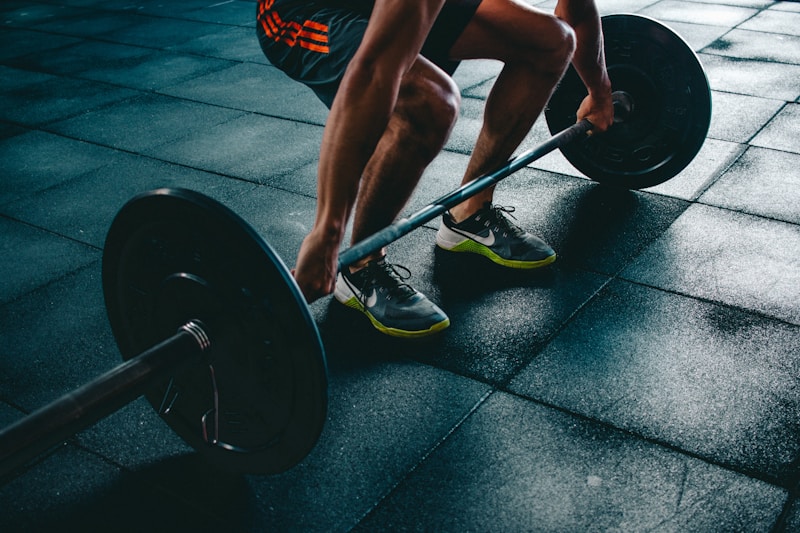
- Deadlifts: 4 sets of 6-8 reps (engages back, legs, and core)
- Pull-Ups: 3 sets of 6-10 reps (strengthens back and biceps)
- Plank: 3 sets of 30-60 seconds (builds core stability)
Timing Your Protein Intake
Research indicates that consuming protein within 30 minutes to 2 hours post-workout can significantly enhance muscle protein synthesis. Aim for a meal containing between 20 to 30 grams of protein to kickstart recovery.
Scientific Backing on Protein Needs
According to a study published in the Journal of Sports Sciences, those consuming higher protein diets experienced increased muscle mass and strength gains compared to lower-protein diets. In addition, a systematic review found that athletes who ingested approximately 1.6 grams of protein per kilogram of body weight were better positioned to gain muscle compared to those who consumed less.
Conclusion: Fuel Your Gains
Incorporating the right protein foods into your diet, combined with a structured workout regimen, can be a game changer in your muscle-building journey. Remember, consistency is key—make these foods a regular part of your diet, fuel your workouts, and watch your strength soar!