The Science Behind Intermittent Fasting
Intermittent fasting (IF) has become a trend in the fitness world, and for good reason. Studies show that IF can enhance fat loss, improve metabolic health, and even prolong lifespan. Research published in the New England Journal of Medicine revealed that intermittent fasting could reduce the risk of chronic diseases by up to 50%. But what does that mean for your fitness journey?
How Does Intermittent Fasting Work?
Intermittent fasting involves cycling between periods of eating and fasting. The most popular methods are:
- 16/8 Method: Fast for 16 hours and eat during an 8-hour window.
- 5:2 Diet: Eat normally for five days, then restrict calories to 500-600 for two days.
- Warrior Diet: Fast during the day and eat one large meal at night.
During fasting periods, insulin levels drop, which can lead to increased fat burning. Research indicates that intermittent fasting can help reduce body fat by up to 8% within just 8 weeks!
The Role of Exercise in Your Fasting Journey
To maximize fat loss while intermittent fasting, incorporating strength training and cardiovascular exercises is crucial. Here’s a recommended workout plan:
Strength Training Routine
- Squats: 3 sets of 12 reps
- Push-Ups: 3 sets of 10-15 reps
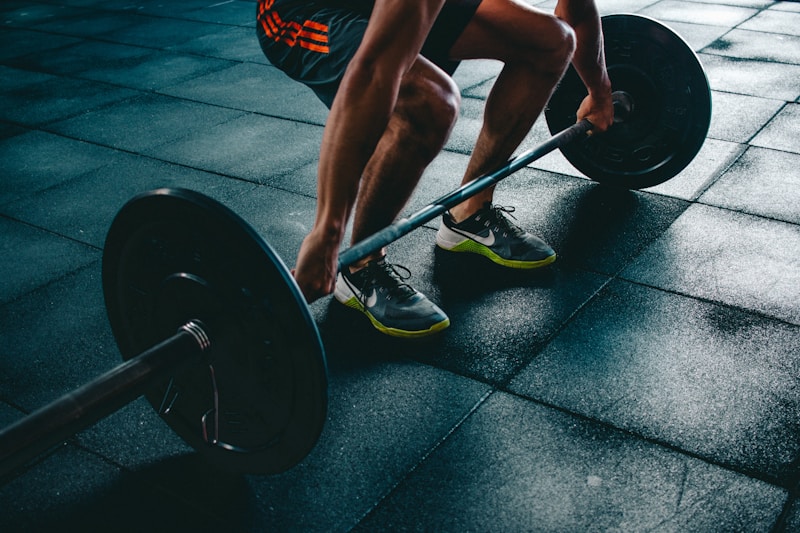
- Deadlifts: 3 sets of 10 reps
- Planks: 3 sets, hold for 30-60 seconds
This workout targets major muscle groups, promotes muscle growth, and boosts metabolism. Combining strength training with intermittent fasting can enhance fat loss by as much as 30% compared to dieting alone!
Cardio Routine
In addition to strength training, don't overlook cardio! Here’s a simple HIIT routine to incorporate:
- Burpees: 30 seconds on, 30 seconds off (5 rounds)
- High Knees: 30 seconds on, 30 seconds off (5 rounds)
- Jumping Jacks: 30 seconds on, 30 seconds off (5 rounds)
HIIT has been shown to increase calorie burn for hours after your workout, especially effective during fasting windows.
What Does the Research Say?
A study from the Journal of Translational Medicine found that participants following an intermittent fasting regimen lost an average of 7-11 pounds over 10 weeks, while maintaining muscle mass. Additionally, another study highlighted that IF can decrease LDL cholesterol by approximately 10%—a crucial factor in overall health.
Common Myths Busted
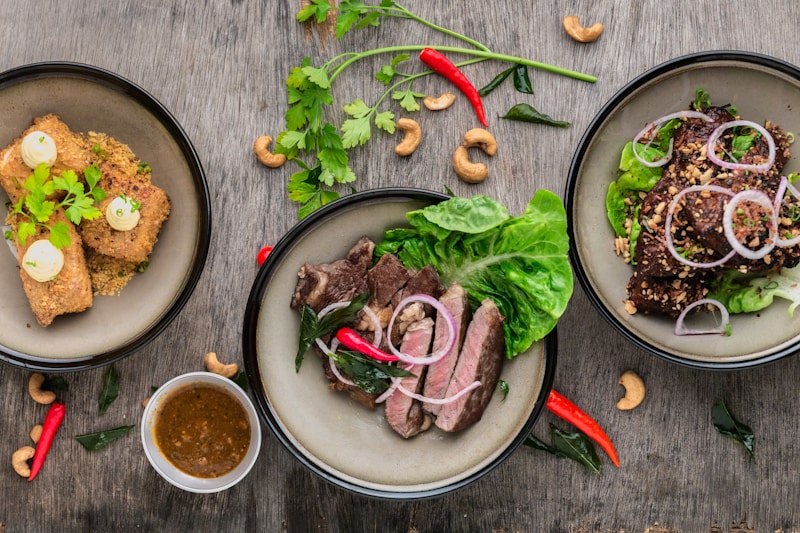
Many people believe that fasting leads to muscle loss or low energy, but scientific evidence suggests otherwise. In fact, research indicates that individuals who combine intermittent fasting with resistance training maintain muscle mass while shedding fat. Remember, it’s essential to prioritize nutrient-dense foods during eating windows, including:
- Lean proteins
- Whole grains
- Healthy fats
- Fruits and veggies
Final Thoughts
Intermittent fasting isn’t just a passing trend; it's a science-backed approach to fat loss. When paired with the right workout regimen, you could unlock the body of your dreams. Ready to take the leap? Start your intermittent fasting journey today and witness the transformation!