Ukraine targets Russian oil depots and tankers in drone attacks
•play Live Sign upShow navigation menuNavigation menuNewsShow more news sectionsAfricaAsiaUS & CanadaLatin AmericaEuropeAsia PacificWorld CupMiddle EastExplainedOpinionVideoMoreShow more sectionsFeatur...
•xwhatsapp-strokecopylinkgoogleAdd Al Jazeera on Googleinfo#Thick plumes of smoke with flames rise from an oil refinery following a Ukrainian drone attack in the course of Russia-Ukraine conflict, in M...
•Drones hit oil depots in the Tver and Stavropol regions overnight into Thursday.
هذا الخبر من Al Jazeera English. خبر يقدم أدوات ذكاء اصطناعي للتلخيص والترجمة والاستماع.
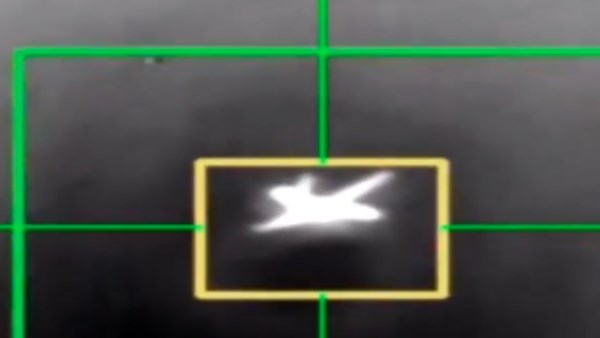
play Live Sign upShow navigation menuNavigation menuNewsShow more news sectionsAfricaAsiaUS & CanadaLatin AmericaEuropeAsia PacificWorld CupMiddle EastExplainedOpinionVideoMoreShow more sectionsFeaturesEconomySportHuman RightsClimate CrisisInvestigationsInteractivesIn PicturesScience & TechnologyPodcastsTravelSponsored Contentplay Live Click here to searchsearchSign upNavigation menucaret-leftRussia-Ukraine warIs the war entering a new phase?Starving on the front linesFour years of warZelenskyy’s open letter to Putincaret-rightNews|Russia-Ukraine warUkraine targets Russian oil depots and tankers in drone attacksUkraine hit two oil tankers in Sea of Azov and several oil facilities across Russia in drone attacks. xwhatsapp-strokecopylinkgoogleAdd Al Jazeera on Googleinfo#Thick plumes of smoke with flames rise from an oil refinery following a Ukrainian drone attack in the course of Russia-Ukraine conflict, in Moscow, Russia, June 18, 2026 [File: Social media via Reuters]By Al Jazeera Staff, AFP and APPublished On 9 Jul 20269 Jul 2026Ukraine has attacked several Russian oil facilities and set two tankers ablaze in the Sea of Azov, the latest in a series of strikes on Russian energy sites that have caused a fuel crisis. Drones hit oil depots in the Tver and Stavropol regions overnight into Thursday. In the Sea of Azov, Ukrainian drones set two oil tankers ablaze, according to Rostov Governor Yury Slyusar, who said one of the ships was still burning and the crews were evacuated. Ukrainian President Volodymyr Zelenskyy said his defence forces also hit a reserve fuel storage facility about 800km (500 miles) from the front line, and an oil-pumping station in Ufa nearly 1,500km (930 miles) from Ukraine’s border. He said they also struck an oil-loading terminal in the Rostov region, about 200km (125 miles) from the front line. It was unclear if that was the same strike described by Slyusar. Kyiv’s attacks on Russian oil depots and refineries have triggered a fuel crisis across Russia, forcing Moscow – one of the world’s top oil producers – to ban a number of exports. More than 90 percent of Russian regions have introduced some form of rationing or reported shortages in petrol and diesel, according to official statements and local media reports. Zelenskyy described the strikes as part of Kyiv’s campaign of “long-range sanctions” carried out in response to Russian attacks and Moscow’s refusal to end the war. “We have long proposed that Russia end this war, and every day of delay should bring the feeling of war to where it all began – to Russia,” Zelenskyy said. Russia’s Ministry of Defence said air defences downed 73 Ukrainian drones from late Wednesday until early Thursday. Ukraine’s Air Force said Russia fired 94 long-range strike drones and two ballistic missiles at Ukraine overnight. While 72 drones were jammed or intercepted, 19 drones and both missiles inflicted damage at 13 locations, it said. The attacks came a day after United States President Donald Trump, meeting Zelenskyy on the sidelines of the NATO summit in Turkiye, pledged to grant Ukraine a licence to manufacture the Patriot air defence system, a significant shift in tone from their acrimonious White House encounter in February 2025. When asked about the Ukrainian strikes in Russia, Trump appeared to endorse the campaign, stating, “It’s an escalation, but it’s also an escalation that can help lead to an end.” The Kremlin said Ukrainian military pressure would not force it into concessions. “We see certain misconceptions within the White House administration – that by escalating military pressure it can help move to a peace settlement. That is a mistaken view,” Kremlin spokesman Dmitry Peskov told reporters. “Further escalation may prolong the special military operation to some extent,” he said, using Russia’s preferred term for the offensive. He also threatened that Russia would respond by “creating a larger security zone” – a reference to seizing more territory in eastern Ukraine. Advertisement AboutAboutShow moreAbout UsCode of EthicsTerms and ConditionsEU/EEA Regulatory NoticePrivacy PolicyCookie PolicyCookie PreferencesAccessibility StatementSitemapWork for usConnectConnectShow moreContact UsUser Accounts HelpAdvertise with usStay ConnectedNewslettersChannel FinderTV SchedulePodcastsSubmit a TipPaid Partner ContentOur ChannelsOur ChannelsShow moreAl Jazeera ArabicAl Jazeera EnglishAl Jazeera Investigative UnitAl Jazeera MubasherAl Jazeera DocumentaryAl Jazeera BalkansAJ+Our NetworkOur NetworkShow moreAl Jazeera Centre for StudiesAl Jazeera Media InstituteLearn ArabicAl Jazeera Centre for Public Liberties & Human RightsAl Jazeera ForumAl Jazeera Hotel PartnersFollow Al Jazeera English:المصدر: Al Jazeera English | Source: Al Jazeera English
ملاحظة تحريرية | Editorial Note: نُشر هذا المقال في الأصل بواسطة Al Jazeera English. خبر (Khabr) هي منصة إعلامية أردنية مرخّصة تعمل بالذكاء الاصطناعي. نضيف قيمة تحريرية من خلال: تحليل ذكي للأخبار، ملخصات تلقائية، رواية صوتية بالذكاء الاصطناعي، ترجمة متعددة اللغات، وتدقيق الحقائق. هدفنا جعل الأخبار أكثر وضوحاً وسهولةً للقارئ العربي.
This article was originally published by Al Jazeera English. Khabr is a licensed Jordanian AI-powered news platform (Registration #82086). We add editorial value through: AI-powered news analysis, automated summaries, AI audio narration, multi-language translation (Arabic, English, French, Turkish), and AI fact-checking. Our mission is to make news more accessible and understandable for Arabic-speaking audiences worldwide.