Ukraine reopens Russian oil pipeline, clearing way for €90 billion EU loan after months-long 'blockade'
المصدر: Gulf News | Source: Gulf NewsUkraine has resumed pumping Russian crude through the 5,500 km Druzhba oil pipeline into Hungary and Slovakia after months of halted transit caused by war-related damage.
The move immediately broke a political deadlock over a €90 billion (≈ $106 billion) European Union (EU) loan seen as vital financial support for Kyiv’s economy and defence.
The long-stalled pipeline had been out of operation since late January when a Russian drone strike damaged key infrastructure in western Ukraine, stopping deliveries of Russian crude to central Europe and triggering a standoff.
Budapest and Bratislava had blocked EU approval of loan funding and a new package of sanctions on Russia until oil began flowing again.
On April 22, 2026, Ukrainian state operator Ukrtransnafta reported that pressure in the Druzhba line was restored and pumping had begun, with deliveries expected to reach refineries in Hungary and Slovakia by the following day.
Oil flows resume
Hungarian energy company MOL confirmed it had been notified of the resumed flows and expected first shipments by April 23 at the latest.
Within hours of the pipeline restart, EU ambassadors in Brussels gave preliminary approval to the €90 billion loan and the bloc’s 20th sanctions package against Russia, clearing the way for formal adoption as early as Thursday.
Observers noted the turnaround marked an end to months of diplomatic friction that had frozen crucial support for Ukraine.
The funding — to be disbursed in two annual tranches of €45 billion — includes support for Ukraine’s defence needs and broader economic stability through 2026 and 2027, and is widely viewed as essential to sustain Kyiv through its fifth year of war with Russia.
'Blackmail'
The dispute over pipeline transit had become highly politicised, with Hungary’s previous prime minister linking his veto of Ukraine aid to pipeline repairs, a stance critics called political blackmail.
Following his electoral defeat, Hungary’s position shifted, paving the way for cooperation and the lifting of the veto.
The restart of one of Europe’s most strategically sensitive energy arteries underscores the complex intersection of energy supply, geopolitics and financial aid, highlighting how infrastructure and diplomacy are now deeply intertwined in the broader trajectory of the Ukraine war.
Ukrainian drone attack
Ukraine has stepped up attacks on Russian energy infrastructure in recent weeks in a bid to reduce Moscow's earnings from oil exports, as the Middle East war pushes up prices.
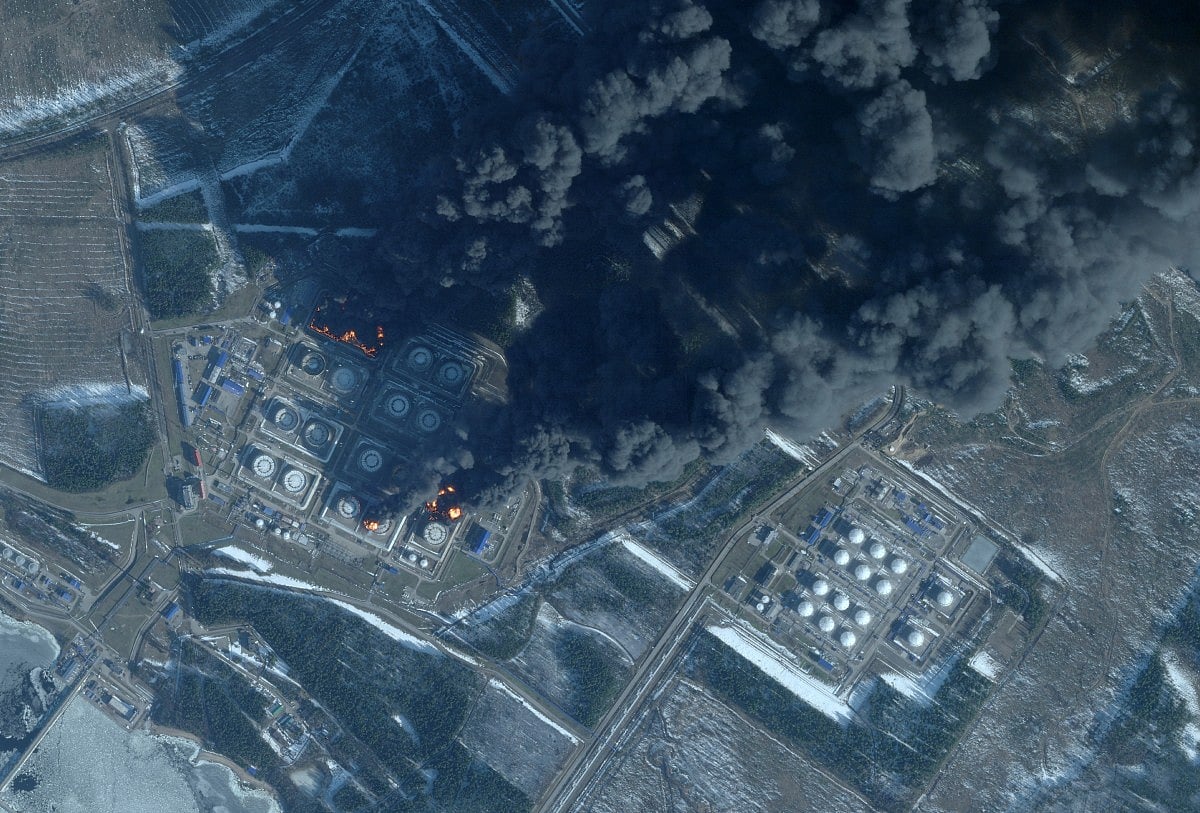
On April 5, a Ukrainian drone attacked an oil pipeline near the key Russian Baltic port of Primorsk, with Russia acknowledging an oil spill but insisting there was no damage.
Ukraine confirmed it staged the latest strike on the port, near the border with Finland, that plays an important role in Russia's oil exports.
Russian air defences shot down 19 drones in the Leningrad region and debris from one "damaged a section of the oil pipeline near the port of Primorsk, and the pipeline is being safely burned out," regional governor Alexander Drozdenko initially said on Telegram.
But two hours later, he wrote: "According to updated information, the oil pipeline in the area of the port of Primorsk was not damaged."
"The fuel leak occurred due to a shrapnel hit on one of the fuel tanks. The consequences have already been dealt with," he added. No casualties were reported.
Ukraine's drone forces commander Robert Brovdi said that the country's "unmanned systems forces once again struck the Transneft Primorsk port and paid a gracious visit to Lukoil in Kstovo," referring to a refinery of Russia's second-biggest oil firm in another region.
Primosk, owned by the state pipeline monopoly, Transneft, is a key Russian oil exporting port, capable of handling up to one million barrels per day, analysts say.
The port, which was attacked a few times in March, is between the Finnish border and Saint Petersburg, Russia's second-biggest city, but hundreds of kilometers (miles) from the front line in the Russia-Ukraine conflict.
ملاحظة تحريرية | Editorial Note: نُشر هذا المقال في الأصل بواسطة Gulf News. خبر (Khabr) هي منصة إعلامية أردنية مرخّصة تعمل بالذكاء الاصطناعي. نضيف قيمة تحريرية من خلال: تحليل ذكي للأخبار، ملخصات تلقائية، رواية صوتية بالذكاء الاصطناعي، ترجمة متعددة اللغات، وتدقيق الحقائق. هدفنا جعل الأخبار أكثر وضوحاً وسهولةً للقارئ العربي.
This article was originally published by Gulf News. Khabr is a licensed Jordanian AI-powered news platform (Registration #82086). We add editorial value through: AI-powered news analysis, automated summaries, AI audio narration, multi-language translation (Arabic, English, French, Turkish), and AI fact-checking. Our mission is to make news more accessible and understandable for Arabic-speaking audiences worldwide.