⚡ عاجل: كريستيانو رونالدو يُتوّج كأفضل لاعب كرة قدم في العالم●⚡ أخبار عاجلة تتابعونها لحظة بلحظة على خبر●⚡ تابعوا آخر المستجدات والأحداث من حول العالم●
AI اقتراحات ذكية
AI مباشر|--مشاهد مباشر
859,154مقال404مصدر نشط228قناة مباشرة5,823خبر اليوم
آخر تحديث:منذ ثانيتين
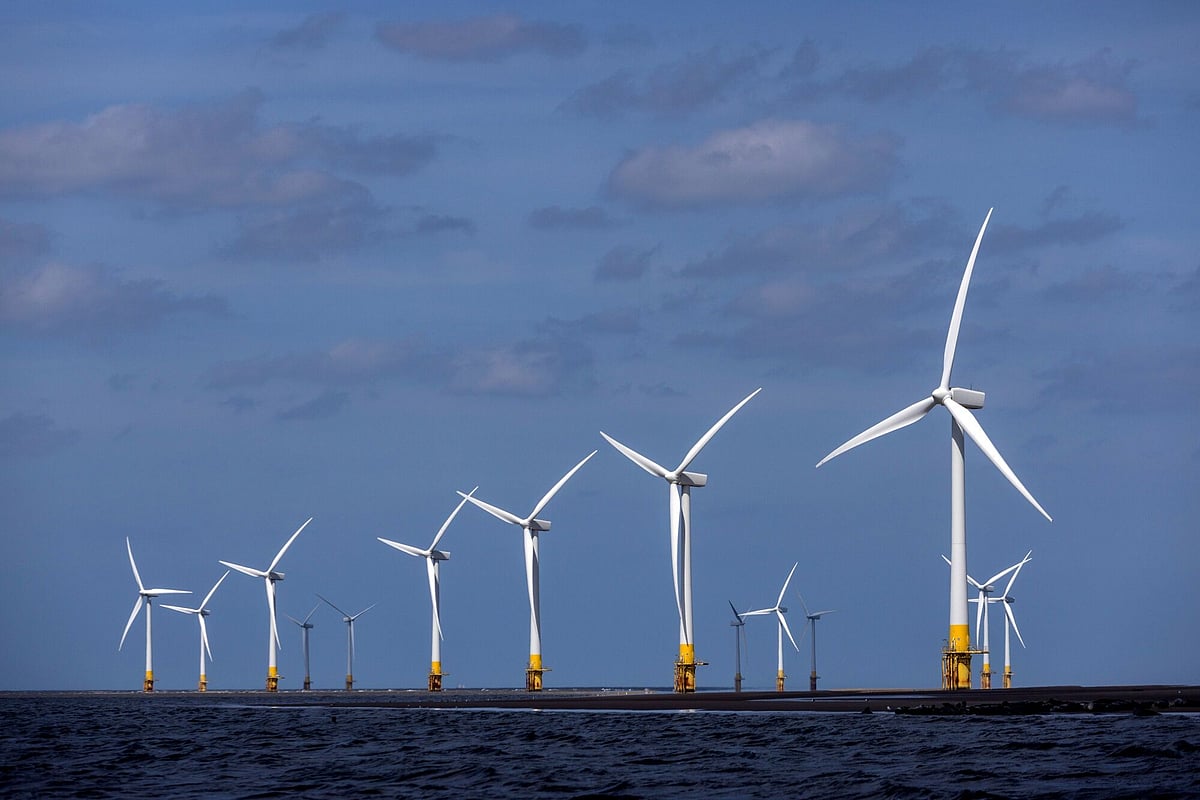
UK targets 10GW solar-wind buildout on public land to cut gas from power bills
The United Kingdom is accelerating a sweeping clean-energy expansion, recording a bumper wind power output in the first quarter of 2026, as per government data.
The green energy drive is aimed at shielding households from volatile natural gas prices that have driven up electricity bills amid global supply shocks tied to the war in Iran.
On Tuesday, the Labour government unveiled measures designed to weaken the long-standing link between gas prices and electricity costs by rapidly boosting homegrown renewable generation and overhauling grid and planning systems that have slowed project delivery for years.
Energy Secretary @Ed_Miliband will outline new measures today - including decisive action to break the influence of gas on electricity prices.
Going further and faster to roll out clean, homegrown energy & deliver long term energy security & sovereignty.https://t.co/lsN7hiWhbX
— Department for Energy Security and Net Zero (@energygovuk) April 21, 2026
Cushion vs fossil fuel price shocks
UK's drive to accelerate clean energy is aimed at protecting against fossil fuel price shocks, Reuters reported.
Central to the plan is a push to “massively expand renewables” across the public estate — including brownfield land, former industrial sites and railway property — for solar panels and wind turbines.
Officials said even limited use of government-owned land could unlock as much as 10 gigawatts of new capacity, enough to power roughly 5 million homes.
Bumper wind power output in Q1
The announcement comes as Britain, where about a third of electricity generation typically comes from gas-fired plants, feels renewed energy pressure after oil and gas prices surged in the weeks following the outbreak of war in Iran.
The spike has underscored how fossil-fuel volatility continues to flow through to consumer electricity bills, despite years of renewable growth.
At the same time, Britain recorded its highest-ever wind power output in the first quarter of 2026, including a new daily generation record on March 25 — evidence, officials say, that expanding domestic renewables can buffer the country from imported fuel shocks.
The government also plans what it calls the largest overhaul of planning, land access and grid-connection rules since the start of its clean-energy drive.
The aim is to cut delays for grid upgrades and renewable projects and open faster routes for developers to build and connect capacity.
In addition, ministers will introduce voluntary long-term fixed contracts later this year for existing low-carbon generators that are not currently on fixed-price agreements, covering about a third of Britain’s electricity supply.
The move is intended to provide price stability and reduce exposure to gas-linked wholesale markets.
“As we face the second fossil fuel shock in less than five years, the lesson for our country is clear: The era of fossil fuel security is over, and the era of clean energy security must come of age,” Energy Secretary Ed Miliband said.
“That’s why we’re doubling down on clean power, to give our country energy security and bring down bills for good.”
ملاحظة تحريرية | Editorial Note:
نُشر هذا المقال في الأصل بواسطة Gulf News.
خبر (Khabr) هي منصة إعلامية أردنية مرخّصة تعمل بالذكاء الاصطناعي.
نضيف قيمة تحريرية من خلال: تحليل ذكي للأخبار، ملخصات تلقائية، رواية صوتية بالذكاء الاصطناعي، ترجمة متعددة اللغات، وتدقيق الحقائق.
هدفنا جعل الأخبار أكثر وضوحاً وسهولةً للقارئ العربي.
This article was originally published by Gulf News.
Khabr is a licensed Jordanian AI-powered news platform (Registration #82086).
We add editorial value through: AI-powered news analysis, automated summaries, AI audio narration, multi-language translation (Arabic, English, French, Turkish), and AI fact-checking.
Our mission is to make news more accessible and understandable for Arabic-speaking audiences worldwide.
هذا الخبر ضمن تغطية خبر لقسم اقتصاد.
نقدّم لك تحليلات ذكية وملخصات يومية لأهم الأخبار من مصادر موثوقة متعددة.
المصدر: Gulf News.
يوجد 6 مقالات مرتبطة بهذا الموضوع.
This article is part of Khabr's coverage of Economy.
We provide AI-powered analysis, summaries, and multi-source aggregation to keep you informed.
Source: Gulf News.
Tags: solar, wind, energy policy.
🍪 نستخدم ملفات تعريف الارتباط لتحسين تجربتك وعرض الإعلانات المخصصة. باستخدامك للموقع، فإنك توافق على سياسة ملفات تعريف الارتباط وسياسة الخصوصية.
We use cookies to enhance your experience and show personalized ads. By using this site, you agree to our Cookie Policy and Privacy Policy.
FREEFree 1GB Internet + Free International Calls
$1 trial — eSIM in 190+ countries — No roaming charges