UK inflation rises to 3.3% as Middle East conflict pushes up fuel prices
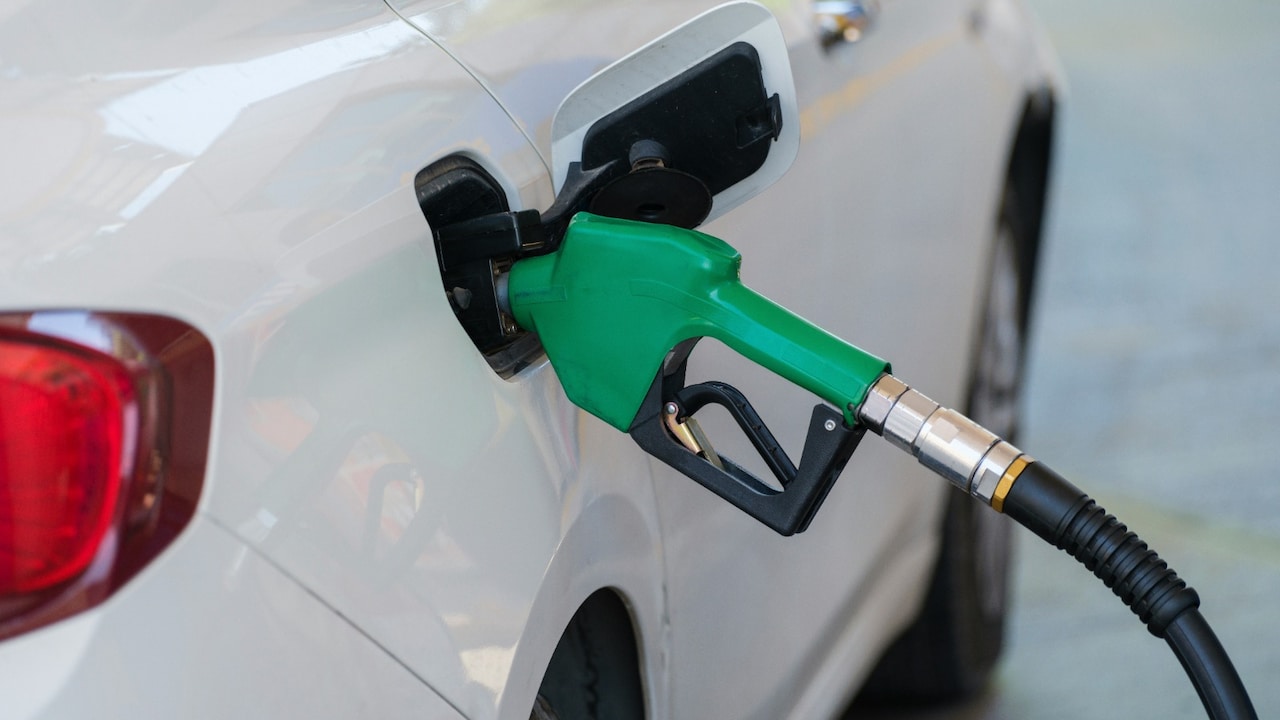
By MARK DUELL, DEPUTY CHIEF REPORTER (DIGITAL) Published: 07:01, 22 April 2026 | Updated: 07:28, 22 April 2026 UK inflation rose to its highest level since December after the Middle East conflict caused a sharp jump in diesel and petrol prices, official figures revealed today. The rate of Consumer Prices Index (CPI) inflation increased to 3.3 per cent in March from 3.0 per cent in February, the Office for National Statistics confirmed. The rise was in line with predictions from economists, as the US-Israeli war on Iran continues to impact the cost of living for families across Britain. Higher motor fuel was the main driver, up by 8.7 per cent month-on-month – the largest increase since June 2022, shortly after the Russian invasion of Ukraine. ONS chief economist Grant Fitzner said: 'Inflation climbed in March, largely due to increased fuel prices, which saw their largest increase for over three years. 'Airfares were another upward driver alongside rising food prices. The only significant offset came from clothing costs, where prices rose by less than this time last year. 'The monthly cost of both raw materials for businesses and goods leaving factories rose substantially, driven by higher crude oil and petrol prices.' The Bank of England and most economists believe price increases will accelerate in the coming months as the war's impact feeds into the cost of products and services. Chancellor Rachel Reeves, pictured speaking at the Institute of Directors in London yesterday Chancellor Rachel Reeves said: 'This is not our war, but it is pushing up bills for families and businesses. That's why it's my number one priority to keep costs down. 'Our economic plan is the right one and has put us in a stronger position to support families in the face of this new crisis. 'We've taken £117 off energy bills, frozen rail fares and protected motorists with the fuel duty freeze. 'We're acting to protect people from unfair price rises if they occur to bring down food prices at the till, and are boosting long-term energy security - building a stronger, more secure economy.' Last month, the Bank of England indicated that inflation is likely to rise to as high as 3.5 per cent by the third quarter. Earlier this month, the International Monetary Fund (IMF) suggested spiking energy prices could help push UK inflation towards 4 per cent, double the Bank of England's 2 per cent inflation target. At the start of the year, the central bank had predicted that inflation would dip below the 2 per cent target in April. However, the conflict between US-Israeli and Iranian forces since late February has led to a sharp increase in oil and gas prices, while disruption to the Strait of Hormuz shipping corridor could hit other areas. The latest data for March is the first set of ONS figures to include elevated petrol and diesel costs since the start of the conflict. RAC data from April 16 showed that the average price of a litre of petrol at UK forecourts was 158.1p, 25p more expensive than when the war began on February 28. The average price of a litre of diesel sits at 191.2p, up 49p compared with the start of the war. Harvir Dhillon, economist at the British Retail Consortium, said: 'The first signs of inflationary pressure stemming from the conflict in the Middle East began to emerge last month, driven largely by rising fuel prices. 'Across retail, the picture was mixed. Intense competition pushed clothing and footwear back into deflation, but in the grocery sector, mounting cost pressures saw food inflation creep up. 'Ahead, if food prices follow a similar trend as seen following the Ukraine-Russia conflict, prices will start to ramp up more notably throughout 2026.' No comments have so far been submitted. Why not be the first to send us your thoughts, or debate this issue live on our message boards. By posting your comment you agree to our house rules. Do you want to automatically post your MailOnline comments to your Facebook Timeline? Your comment will be posted to MailOnline as usual. Do you want to automatically post your MailOnline comments to your Facebook Timeline? Your comment will be posted to MailOnline as usual We will automatically post your comment and a link to the news story to your Facebook timeline at the same time it is posted on MailOnline. To do this we will link your MailOnline account with your Facebook account. We’ll ask you to confirm this for your first post to Facebook. You can choose on each post whether you would like it to be posted to Facebook. Your details from Facebook will be used to provide you with tailored content, marketing and ads in line with our Privacy Policy.المصدر: Daily Mail | Source: Daily Mail
ملاحظة تحريرية | Editorial Note: نُشر هذا المقال في الأصل بواسطة Daily Mail. خبر (Khabr) هي منصة إعلامية أردنية مرخّصة تعمل بالذكاء الاصطناعي. نضيف قيمة تحريرية من خلال: تحليل ذكي للأخبار، ملخصات تلقائية، رواية صوتية بالذكاء الاصطناعي، ترجمة متعددة اللغات، وتدقيق الحقائق. هدفنا جعل الأخبار أكثر وضوحاً وسهولةً للقارئ العربي.
This article was originally published by Daily Mail. Khabr is a licensed Jordanian AI-powered news platform (Registration #82086). We add editorial value through: AI-powered news analysis, automated summaries, AI audio narration, multi-language translation (Arabic, English, French, Turkish), and AI fact-checking. Our mission is to make news more accessible and understandable for Arabic-speaking audiences worldwide.