⚡ عاجل: كريستيانو رونالدو يُتوّج كأفضل لاعب كرة قدم في العالم●⚡ أخبار عاجلة تتابعونها لحظة بلحظة على خبر●⚡ تابعوا آخر المستجدات والأحداث من حول العالم●
AI اقتراحات ذكية
AI مباشر|--مشاهد مباشر
915,093مقال401مصدر نشط228قناة مباشرة4,138خبر اليوم
آخر تحديث:منذ ثانية
UAE to unveil major domestic investment projects, says Al Zeyoudi
•Abu Dhabi: The UAE is preparing to announce major domestic investment projects aimed at strengthening infrastructure, strategic sectors and public-private partnerships, Dr Thani Bin Ahmed Al Zeyoudi,...
•The country is now looking to build more capability at home, deepen local supply networks and keep momentum in sectors linked to trade, manufacturing and infrastructure.Al Zeyoudi said the model is al...
•It's a very long strategy policy that we have.
هذا الخبر من Gulf News. خبر يقدم أدوات ذكاء اصطناعي للتلخيص والترجمة والاستماع.
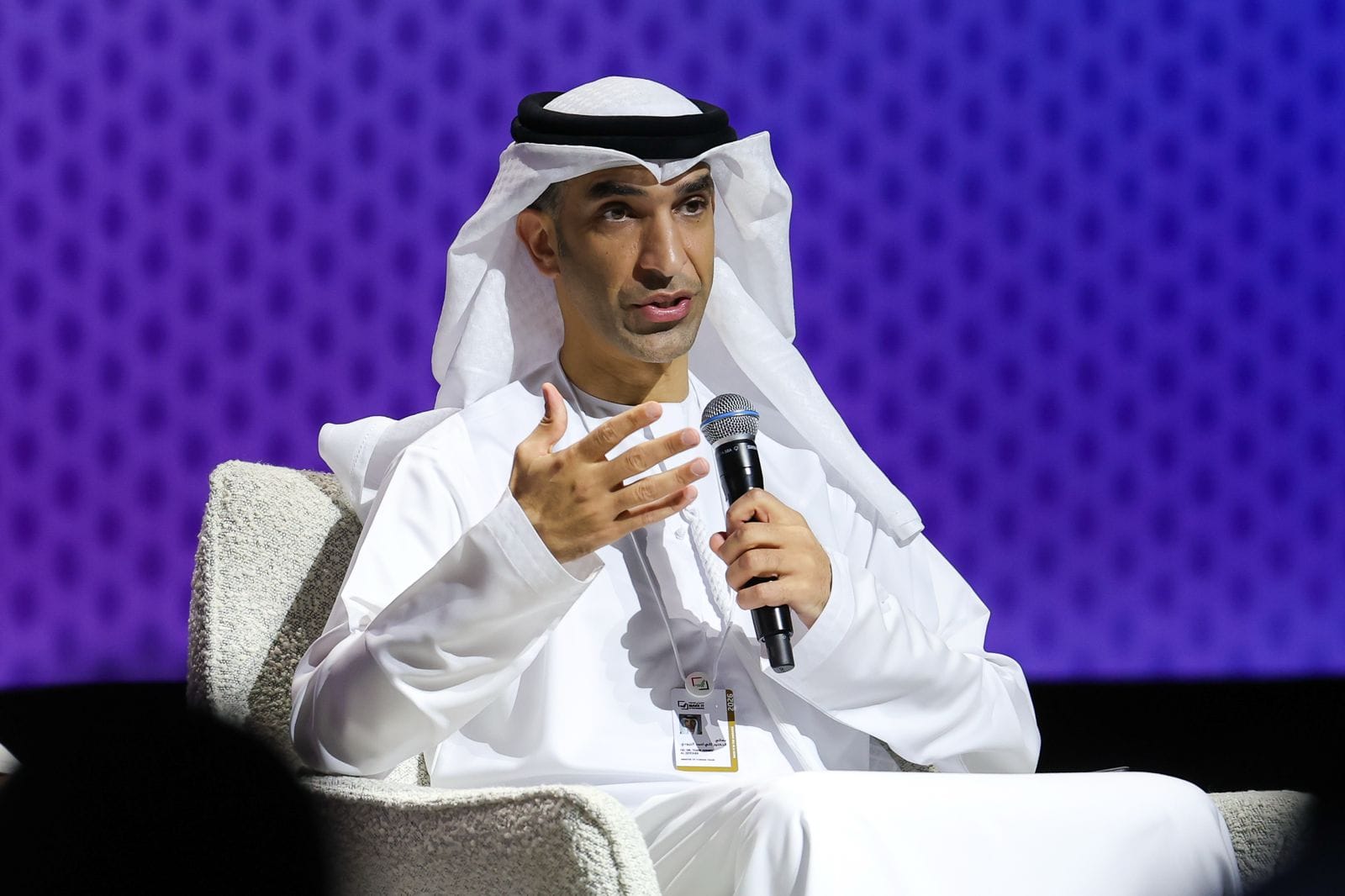
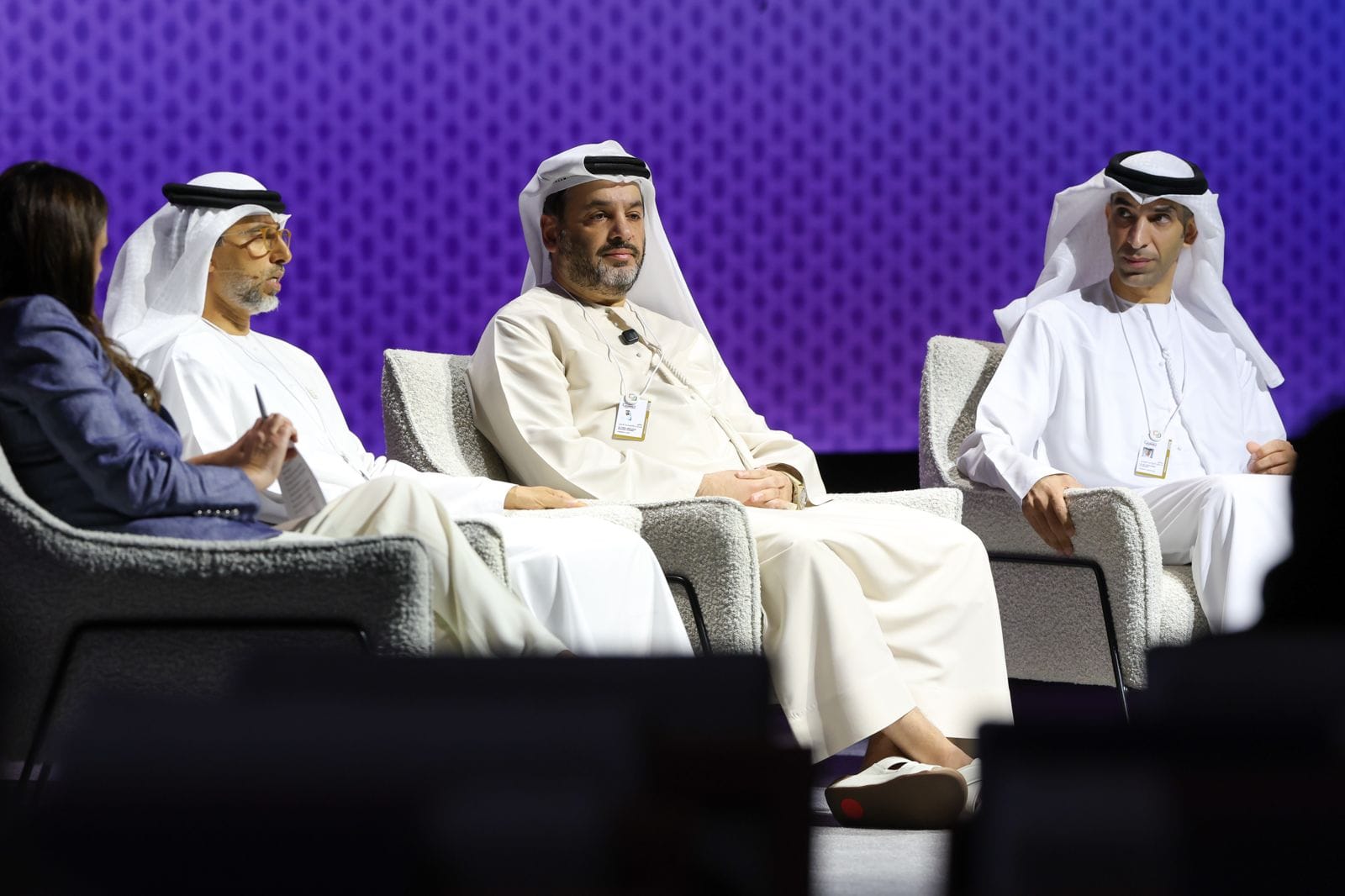
Abu Dhabi: The UAE is preparing to announce major domestic investment projects aimed at strengthening infrastructure, strategic sectors and public-private partnerships, Dr Thani Bin Ahmed Al Zeyoudi, UAE Minister of Foreign Trade, said at the Make it in the Emirates summit in Abu Dhabi.
Get updated faster and for FREE: Download the Gulf News app now - simply click here.
The comments signal that the next phase of the UAE’s resilience strategy will focus more heavily on investment inside the country, even as the country continues to deploy capital internationally to secure technology, knowledge and strategic partnerships.
“Moving forward, for sure, we're going to continue our international investments, but also we're going to have huge investments internally,” Al Zeyoudi said during a panel discussion on supply chain disruption and industrial resilience.
He said those investments could come through sovereign wealth funds or directly through government entities, with infrastructure and strategic projects set to take priority as the UAE works to reduce dependence on external supply channels.
“The infrastructure, the strategic projects, development projects, are going to be a key priority for the country moving forward, and many projects will be announced very soon,” he said.
Direct investments to lead next phase
Al Zeyoudi said the UAE has already used stimulus measures, but the coming phase will be driven more by direct investment from federal and local government entities, with domestic public-private partnerships expected to play a bigger role.
“We started with that, but the upcoming project is going to be directly, direct investments by the government's different entities regarding federal or local,” he said.
He added that those projects would also help support internal partnerships between government and the private sector, making domestic production, logistics and strategic infrastructure more central to the UAE’s long-term economic planning.
This is crucial for businesses and investors because the UAE’s response to recent disruption is moving beyond emergency measures. The country is now looking to build more capability at home, deepen local supply networks and keep momentum in sectors linked to trade, manufacturing and infrastructure.
Al Zeyoudi said the model is already visible in defence, where international partnerships have been used to bring technology and knowledge into the country.
“It's already happening. It's a very long strategy policy that we have. We invest abroad, we build up the technology, the know-how, and bring it to the country,” he said.
He added that the UAE has used that approach to build sectors inside the country through international partnerships, giving it stronger domestic capacity when global conditions become more difficult.
Trade growth held up through disruption
Al Zeyoudi said the UAE’s foreign trade performance remained strong despite recent disruption, with the first quarter of this year delivering growth above last year’s pace.
“The first quarter of this year was as well continuation of this outperforming performance,” he said. “We had an excellent growth as well.”
He said many expected the disruption to push trade numbers lower, but the country continued to grow.
“Even with the whole disturbance, everyone thought that we're going to go to the minus, but we ended up the first quarter with the growth much higher than the growth last year,” Al Zeyoudi said.
The Minister said last year also delivered strong growth, with the UAE exceeding $1 trillion in trade and recording growth of around 27%, supported by exports and trade with countries covered by the UAE’s Comprehensive Economic Partnership Agreements.
“Last year, we exceeded $1 trillion with the growth around 27%,” he said.
He said the performance showed that policies developed over several decades are now being reflected in the country’s foreign trade numbers, especially during periods when supply routes and operating conditions come under pressure.
Resilience goes beyond numbers
Al Zeyoudi said trade policy cannot be measured only by headline figures, because the wider goal is to protect supply chains, industry and access to essential goods at reasonable prices.
“Trade is not about only the numbers. It's about supply chain. It's about industry. It's about ensuring the availability of commodities with the reasonable prices in the country,” he said.
Keeping goods moving through disruption helps protect household access to food, essentials, industrial inputs and consumer products, while limiting the price pressure that can follow delays or shortages.
Al Zeyoudi said this resilience is the result of investments made over decades in transportation, ports, connectivity, logistics, railways, roads and bridges.
“This is a very long story and very long journey which we have taken the last three decades,” he said.
Those investments, he added, helped reduce the consequences of supply chain disruption during the recent attacks against the UAE.
Ports and vessels gave UAE room to move
Al Zeyoudi said the UAE’s logistics network gave the country the ability to move around trade disruption with greater speed, supported by connections to more than 250 ports worldwide and more than 330 vessels owned by UAE operators.
That network allowed the UAE to move commodities through alternative routes when pressure rose in the Arabian Gulf, including greater use of the Gulf of Oman.
Airlines also played a role in absorbing disruption, with some routes recording growth above 30%, according to Al Zeyoudi.
“The airport, the airlines, played a major role in reducing the consequences,” he said. “The growth in some of their lines were above 30% in some cases.”
The Minister said the country was able to make those adjustments because of operational readiness and scenario planning, which allowed authorities and companies to respond without losing control of trade flows.
Dollar swap talks are about trade scale
Al Zeyoudi also addressed discussions around US dollar swap arrangements with the United States, rejecting the idea that such talks should be described as a bailout.
“We have this discussion and conversation with many,” he said.
He explained that the United States has swap arrangements with a small group of major economies, including Canada, Europe, the UK, Switzerland and Japan, and that such arrangements are linked to the scale of transactions, trade and investment between countries.
“Being part of that means the transactions and the instant trade investments between both nations reach a level where that swap is aggregated,” he said.
He said the purpose is to capture transaction flows immediately, not to provide emergency support.
“It's an immediate mechanism. It's not about handing out any of the talks that we're seeing or hearing on the social media,” he said.
ملاحظة تحريرية | Editorial Note:
نُشر هذا المقال في الأصل بواسطة Gulf News.
خبر (Khabr) هي منصة إعلامية أردنية مرخّصة تعمل بالذكاء الاصطناعي.
نضيف قيمة تحريرية من خلال: تحليل ذكي للأخبار، ملخصات تلقائية، رواية صوتية بالذكاء الاصطناعي، ترجمة متعددة اللغات، وتدقيق الحقائق.
هدفنا جعل الأخبار أكثر وضوحاً وسهولةً للقارئ العربي.
This article was originally published by Gulf News.
Khabr is a licensed Jordanian AI-powered news platform (Registration #82086).
We add editorial value through: AI-powered news analysis, automated summaries, AI audio narration, multi-language translation (Arabic, English, French, Turkish), and AI fact-checking.
Our mission is to make news more accessible and understandable for Arabic-speaking audiences worldwide.
هذا الخبر ضمن تغطية خبر لقسم اقتصاد.
نقدّم لك تحليلات ذكية وملخصات يومية لأهم الأخبار من مصادر موثوقة متعددة.
المصدر: Gulf News.
يوجد 6 مقالات مرتبطة بهذا الموضوع.
This article is part of Khabr's coverage of Economy.
We provide AI-powered analysis, summaries, and multi-source aggregation to keep you informed.
Source: Gulf News.
Tags: investment, UAE, projects.
🍪 نستخدم ملفات تعريف الارتباط لتحسين تجربتك وعرض الإعلانات المخصصة. باستخدامك للموقع، فإنك توافق على سياسة ملفات تعريف الارتباط وسياسة الخصوصية.
We use cookies to enhance your experience and show personalized ads. By using this site, you agree to our Cookie Policy and Privacy Policy.
🔍
FREEFree 1GB Internet + Free International Calls
$1 trial — eSIM in 190+ countries — No roaming charges