⚡ عاجل: كريستيانو رونالدو يُتوّج كأفضل لاعب كرة قدم في العالم●⚡ أخبار عاجلة تتابعونها لحظة بلحظة على خبر●⚡ تابعوا آخر المستجدات والأحداث من حول العالم●
AI اقتراحات ذكية
AI مباشر|--مشاهد مباشر
895,002مقال401مصدر نشط228قناة مباشرة5,189خبر اليوم
آخر تحديث:منذ 0 ثانية
UAE staycations power Ras Al Khaimah's tourism boom
Despite regional tensions and a dip in international tourist arrivals, hotels across Ras Al Khaimah have continued to record strong occupancy levels of 70-90 per cent, largely driven by UAE residents and regional travelers seeking short, convenient getaways close to home.
Tourism now contributes around 5 per cent of Ras Al Khaimah’s GDP, and with the emirate aiming to welcome 3.5 million visitors annually by 2030, this summer season is shaping up to be a major test of its growing visitor economy.
Despite wider regional tensions affecting international travel sentiment, Ras Al Khaimah’s hospitality sector is entering the summer months with strong confidence, supported by resilient domestic tourism, rising staycation demand, and a diversified visitor base helping hotels maintain momentum.
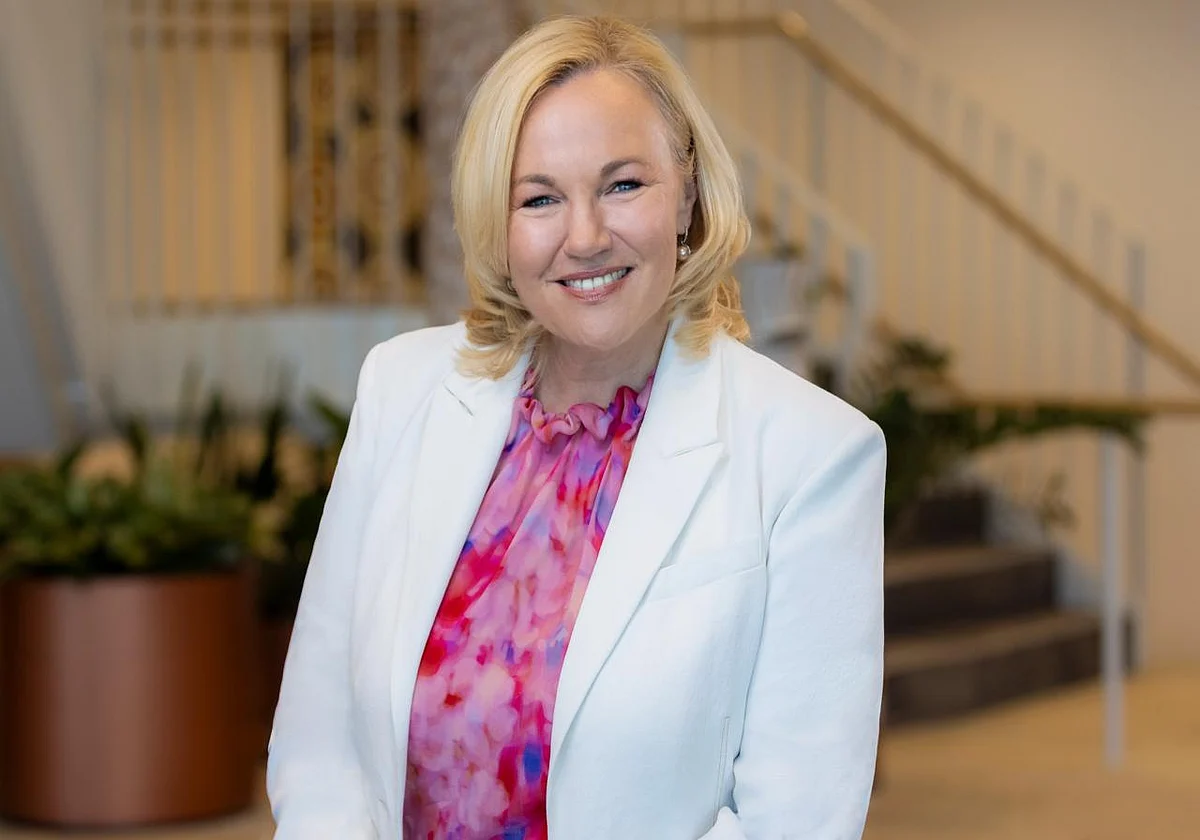
“Our hotels in Ras Al Khaimah continue to see strong demand, particularly from UAE residents and regional travelers looking for a getaway that feels seamless and close to home,” said Phillipa Harrison, CEO of the Ras Al Khaimah Tourism Development Authority.
Phillipa Harrison CEO of the Ras Al Khaimah Tourism Development Authority
“That was clearly reflected during the Eid holiday, when domestic travel played a significant role in supporting strong occupancy levels ranging between 70 and 90 per cent across the emirate. That gives us confidence as we look ahead.”
She said that while regional tensions are creating some volatility in international forward bookings, Ras Al Khaimah is well-positioned to absorb short-term challenges.
“Our demand base is increasingly diversified, with a balanced mix of international and domestic visitors, and growing focus on regional, short-haul and high familiarity markets, which tend to be more resilient in periods of uncertainty,” Harrison said.
Domestic demand
The domestic market remains one of the strongest drivers of tourism performance, with UAE residents increasingly choosing staycations and short breaks that offer value, flexibility, and convenience without the need for long-haul travel.
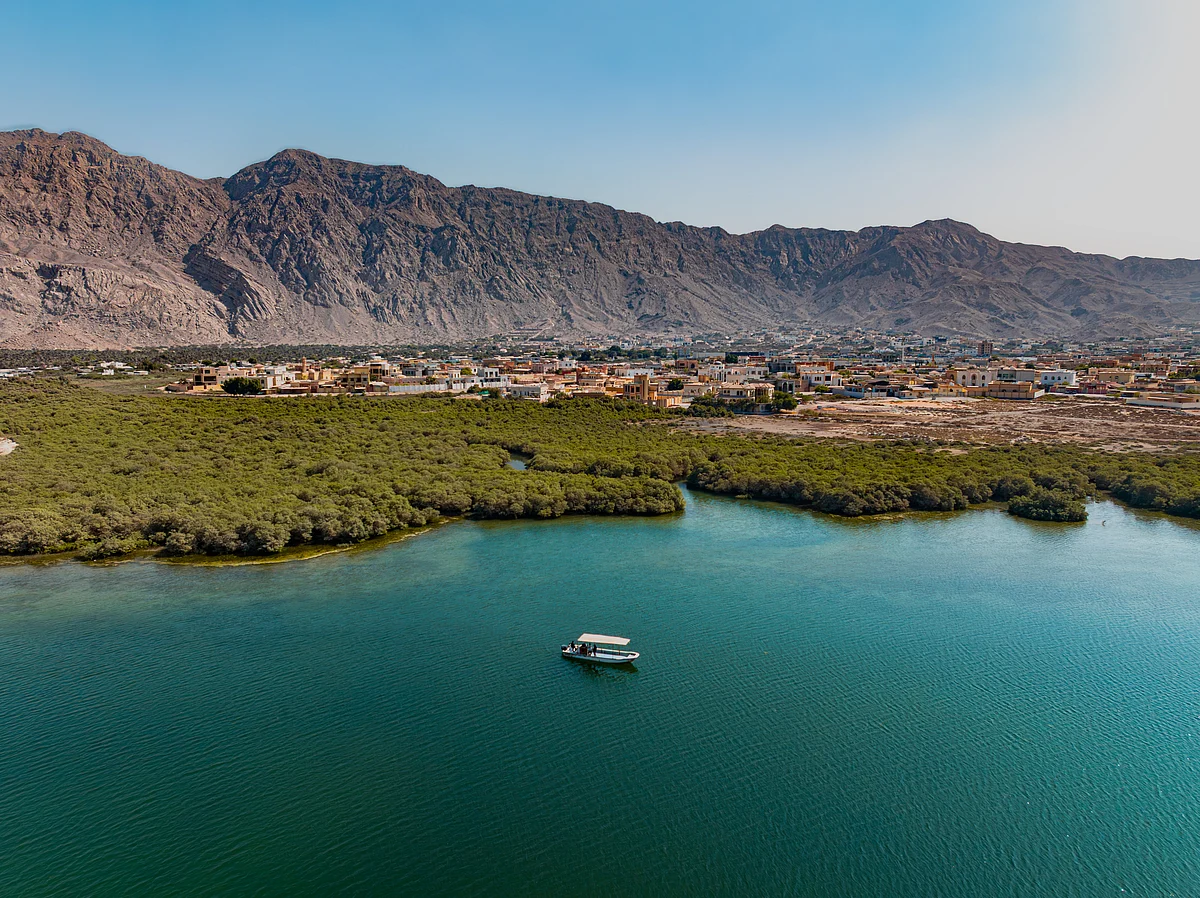
Ras Al Khaimah’s appeal lies in its ability to offer a complete escape within a short drive, from beachfront resorts and desert retreats to mountain adventures on Jebel Jais and wellness-focused experiences.
This year, focused domestic tourism efforts helped double the number of visitors from within the UAE, supported by the ongoing RAK Moments campaign, which offers promotions across hotel stays, dining, wellness, and family experiences.
“The domestic market remains one of the most important drivers of Ras Al Khaimah’s tourism sector, and we expect staycations and day visitation to remain highly relevant,” Harrison said.
“UAE residents are increasingly drawn to breaks that offer a real change of pace and great value, and that is where Ras Al Khaimah has a strong advantage.”
Officials expect families to continue driving demand this summer, particularly for all-inclusive packages, wellness escapes, and experience-led getaways that require minimal planning.
International markets recovering
Internationally, recovery is expected first from Russia, the CIS, and India, while key markets across Eastern and Western Europe continue to remain important contributors to visitor growth.
Hotels and tourism stakeholders are also responding to changing travel behavior by offering flexible cancellation policies, family-friendly packages, wellness add-ons, and curated short-break deals designed around reassurance and convenience.
To support long-term growth, Ras Al Khaimah continues to expand its hospitality portfolio and tourism infrastructure. New hotel openings this year include Rotana The Mangroves and Saij Mountain Lodge by Mantis, while major projects such as Wynn Al Marjan Island continue to progress steadily.
“We are also working on a new brand campaign that captures the essence of Ras Al Khaimah and its evolving character, which is set to launch by the end of the year,” Harrison added.
With tourism playing an increasingly central role in the emirate’s economy, summer demand is no longer seen as a seasonal boost alone, but as a key part of sustaining year-round growth and supporting Ras Al Khaimah’s long-term development strategy.
ملاحظة تحريرية | Editorial Note:
نُشر هذا المقال في الأصل بواسطة Khaleej Times.
خبر (Khabr) هي منصة إعلامية أردنية مرخّصة تعمل بالذكاء الاصطناعي.
نضيف قيمة تحريرية من خلال: تحليل ذكي للأخبار، ملخصات تلقائية، رواية صوتية بالذكاء الاصطناعي، ترجمة متعددة اللغات، وتدقيق الحقائق.
هدفنا جعل الأخبار أكثر وضوحاً وسهولةً للقارئ العربي.
This article was originally published by Khaleej Times.
Khabr is a licensed Jordanian AI-powered news platform (Registration #82086).
We add editorial value through: AI-powered news analysis, automated summaries, AI audio narration, multi-language translation (Arabic, English, French, Turkish), and AI fact-checking.
Our mission is to make news more accessible and understandable for Arabic-speaking audiences worldwide.
هذا الخبر ضمن تغطية خبر لقسم سفر.
نقدّم لك تحليلات ذكية وملخصات يومية لأهم الأخبار من مصادر موثوقة متعددة.
المصدر: Khaleej Times.
يوجد 6 مقالات مرتبطة بهذا الموضوع.
This article is part of Khabr's coverage of Travel.
We provide AI-powered analysis, summaries, and multi-source aggregation to keep you informed.
Source: Khaleej Times.
Tags: staycation, tourism, Ras Al Khaimah.
🍪 نستخدم ملفات تعريف الارتباط لتحسين تجربتك وعرض الإعلانات المخصصة. باستخدامك للموقع، فإنك توافق على سياسة ملفات تعريف الارتباط وسياسة الخصوصية.
We use cookies to enhance your experience and show personalized ads. By using this site, you agree to our Cookie Policy and Privacy Policy.
🔍
FREEFree 1GB Internet + Free International Calls
$1 trial — eSIM in 190+ countries — No roaming charges