⚡ عاجل: كريستيانو رونالدو يُتوّج كأفضل لاعب كرة قدم في العالم●⚡ أخبار عاجلة تتابعونها لحظة بلحظة على خبر●⚡ تابعوا آخر المستجدات والأحداث من حول العالم●
AI اقتراحات ذكية
AI مباشر|--مشاهد مباشر
905,667مقال401مصدر نشط228قناة مباشرة4,791خبر اليوم
آخر تحديث:منذ ثانيتين
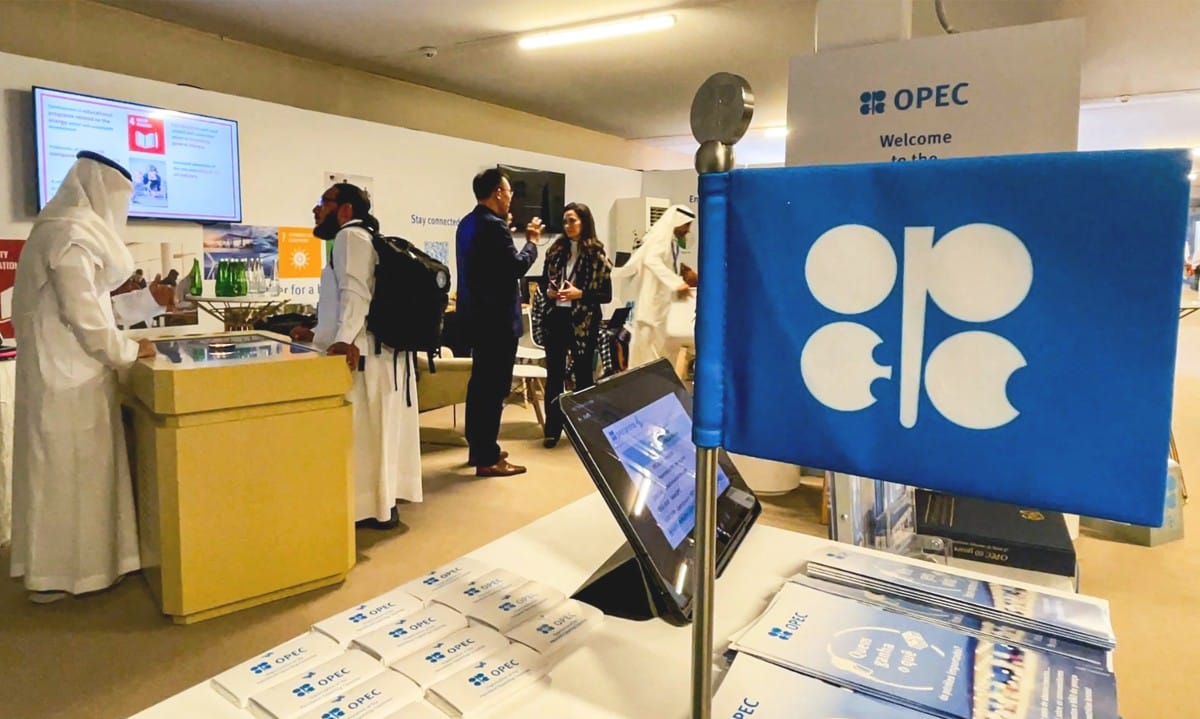
UAE OPEC exit set to create more jobs, EMDAD chief says
•Dubai: The UAE’s exit from OPEC is expected to create more jobs and business opportunities for local energy service companies, with demand likely to grow across blue-collar and white-collar roles as t...
•“Definitely given the size of an amount of work coming up, that's needed for specialised companies such as ours.
•Yes, moving forward, we will be able to attract a lot of workers from blue-collar to white collar.”Get updated faster and for FREE: Download the Gulf News app now - simply click here.EMDAD is a UAE-ba...
هذا الخبر من Gulf News. خبر يقدم أدوات ذكاء اصطناعي للتلخيص والترجمة والاستماع.
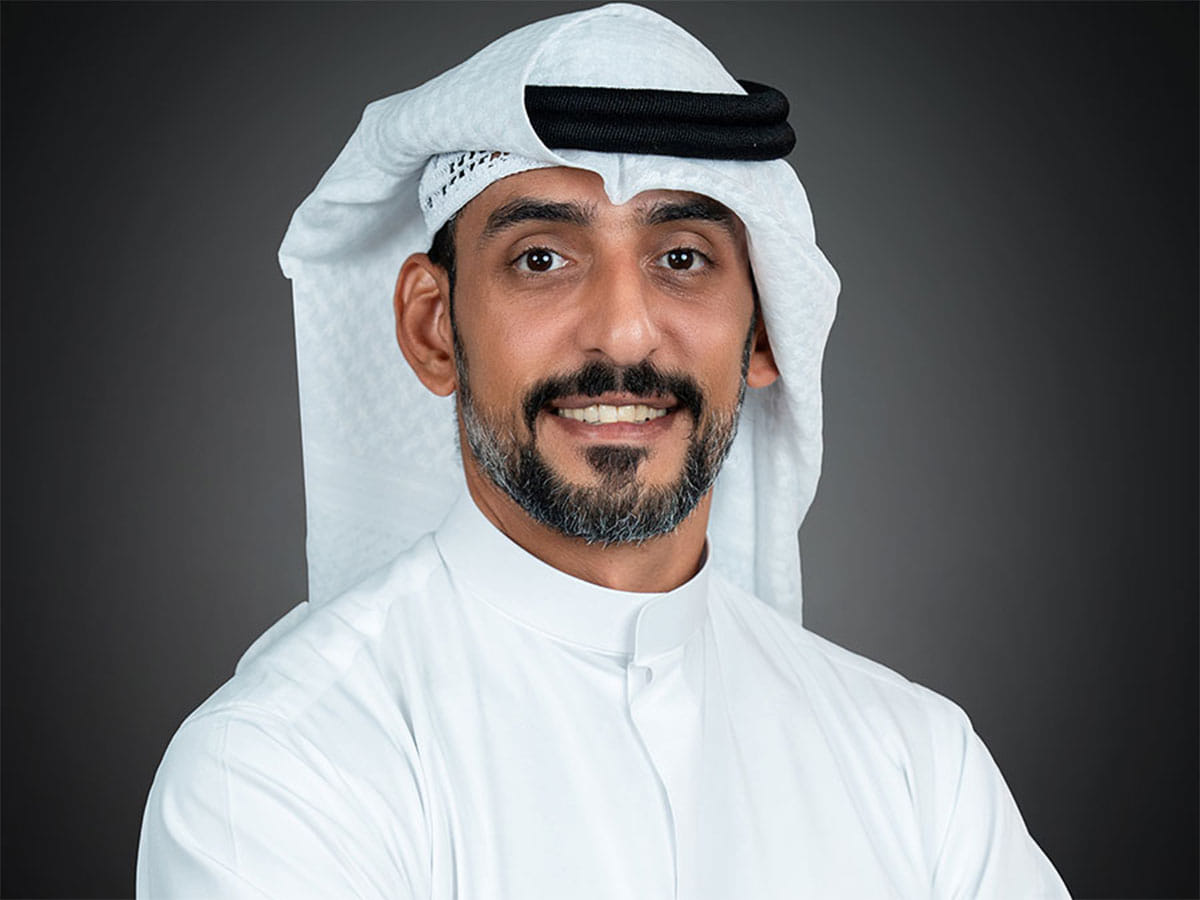
Dubai: The UAE’s exit from OPEC is expected to create more jobs and business opportunities for local energy service companies, with demand likely to grow across blue-collar and white-collar roles as the country pushes toward higher production capacity, according to Mohammed Juma Al Bawardi, Group CEO of EMDAD.
Sign up for our daily business newsletter, Cheques & Balances.
Al Bawardi said UAE-based contractors and service providers will have a larger role to play as the country moves to support its target of raising oil production capacity to 5 million barrels per day by 2027.
“Yes, for sure,” Al Bawardi said in an exclusive interview with Gulf News. “Definitely given the size of an amount of work coming up, that's needed for specialised companies such as ours. Yes, moving forward, we will be able to attract a lot of workers from blue-collar to white collar.”
Get updated faster and for FREE: Download the Gulf News app now - simply click here.
EMDAD is a UAE-based integrated services provider for the energy, petrochemical and power sectors. The Abu Dhabi company, now part of NMDC Group LTS, works across trading, upstream services, downstream services and refinery-related shutdown work for clients including ADNOC.
More work for local contractors
The UAE’s decision to leave OPEC gives the country more room to produce beyond quota constraints, Al Bawardi said, creating a larger pipeline of work for companies that support both upstream and downstream energy operations.
“In the UAE we have been making investments historically to be able to accommodate that capacity,” he said. “For us, we reached the 3.4 million barrel per day mark and hopefully within the future, with the exit from OPEC, we're not tied to the quota constraint from the group itself and we're able to produce more, up to 5 million barrels.”
The impact for contractors is direct, he added, because higher production capacity requires more support across field services, equipment, maintenance and technical operations.
“That is the ideal scenario as well for the contractor themselves,” Al Bawardi said. “More work ahead within the upstream and downstream verticals.”
Mohammed Juma Al Bawardi, Chief Executive Officer- EMDAD
He said the investments needed to reach the milestone have already been made, giving the UAE a stronger base to increase capacity when required.
“With that specifically, we're able to reach that milestone, because the investments have already been made, and the capacity is already there,” he said. “For us as a single contractor we're able to facilitate and be able to complement the initiative of the country in order for us to be able to push that into 5 million barrels per day.”
Still, higher production brings operational requirements for companies in the sector.
“Along with it comes prerequisites to where, as a local company, we need to man up in terms of workers, in terms of equipment, to be able to facilitate the increase in work capacity moving forward,” Al Bawardi said.
Local suppliers gain importance
Al Bawardi said UAE energy companies have been investing in local suppliers, technology and maintenance support to handle faster decision-making and a larger workload after the OPEC exit.
“For us, we have been investing heavily to enable localisation, as well as to be able to have the capabilities in order for us to serve our clients in a turnkey solution type of approach,” he said.
EMDAD’s model spans three verticals. The trading division works with global partners to supply products to clients in the region, while its upstream services cover multiple disciplines in the oil and gas sector. Its downstream business supports shutdown services and refinery facilities.
The company is also showcasing technology capabilities, including patents for downhole tools registered in Abu Dhabi.
“We have patents available for downhole tools,” Al Bawardi said. “We have two specific patents registered in Abu Dhabi, one being the whipstock tool and then the other being the dual section mill.”
Short to medium-term opportunity
The biggest impact for companies such as EMDAD will be in the short to medium term, Al Bawardi said, as the country works toward its production capacity target.
“With that, what it means to us is looking at it from a short to medium term, there's a lot of work ahead for us, to be able to aid within this national initiative,” he said. “There is a lot of work to be done to be able to reach that capacity, and we're ready and capable to do so.”
Supply chain resilience tested
Energy operations in the UAE have also had to deal with pressure around the Strait of Hormuz, but Al Bawardi said recent disruption showed the strength of the country’s industrial base.
“With the blockage within the Strait of Hormuz, it showed the resilience within the industrial sector in the UAE,” he said.
He pointed to petrochemicals, fertilisers and aluminium as examples of sectors where the UAE’s manufacturing and export capacity remains significant.
“You saw a lot of commodities within the petrochemical industry, as well as the fertilising industry, even aluminium, where we're a major exporter of aluminium,” Al Bawardi said. “The UAE's capability in manufacturing and industrialisation is very robust.”
ملاحظة تحريرية | Editorial Note:
نُشر هذا المقال في الأصل بواسطة Gulf News.
خبر (Khabr) هي منصة إعلامية أردنية مرخّصة تعمل بالذكاء الاصطناعي.
نضيف قيمة تحريرية من خلال: تحليل ذكي للأخبار، ملخصات تلقائية، رواية صوتية بالذكاء الاصطناعي، ترجمة متعددة اللغات، وتدقيق الحقائق.
هدفنا جعل الأخبار أكثر وضوحاً وسهولةً للقارئ العربي.
This article was originally published by Gulf News.
Khabr is a licensed Jordanian AI-powered news platform (Registration #82086).
We add editorial value through: AI-powered news analysis, automated summaries, AI audio narration, multi-language translation (Arabic, English, French, Turkish), and AI fact-checking.
Our mission is to make news more accessible and understandable for Arabic-speaking audiences worldwide.
هذا الخبر ضمن تغطية خبر لقسم اقتصاد.
نقدّم لك تحليلات ذكية وملخصات يومية لأهم الأخبار من مصادر موثوقة متعددة.
المصدر: Gulf News.
يوجد 6 مقالات مرتبطة بهذا الموضوع.
This article is part of Khabr's coverage of Economy.
We provide AI-powered analysis, summaries, and multi-source aggregation to keep you informed.
Source: Gulf News.
Tags: OPEC, job creation, EMDAD.
🍪 نستخدم ملفات تعريف الارتباط لتحسين تجربتك وعرض الإعلانات المخصصة. باستخدامك للموقع، فإنك توافق على سياسة ملفات تعريف الارتباط وسياسة الخصوصية.
We use cookies to enhance your experience and show personalized ads. By using this site, you agree to our Cookie Policy and Privacy Policy.
🔍
FREEFree 1GB Internet + Free International Calls
$1 trial — eSIM in 190+ countries — No roaming charges