UAE banks’ relief packages prove effective, boost SMEs and economy
المصدر: Khaleej Times | Source: Khaleej Times[Editor's Note: Follow Khaleej Times live blog for the latest regional developments with the US-Israel-Iran ceasefire now in effect.]
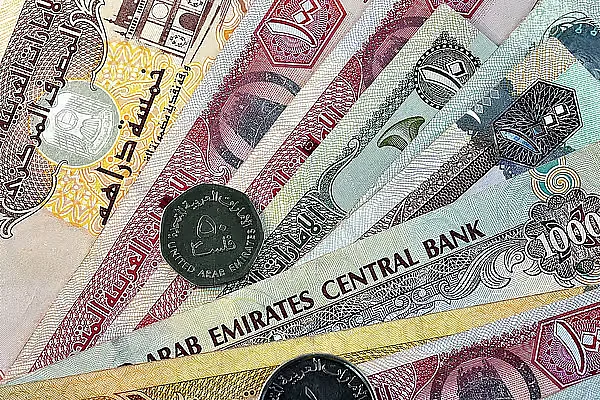
Relief packages offered by local banks have been effective in achieving their objectives of supporting customers and small businesses, according to a statement issued by the Central Bank of the UAE.
The announcement followed a meeting between Khaled Mohamed Balama, Governor of the Central Bank of the UAE (CBUAE), and chief executive officers of banks operating in the country.
The chief executives “confirmed that the resilience package has been effective in achieving its objectives, most notably by proactively addressing the potential impacts on the economy and the banking sector arising from the exceptional current circumstances,” the CBUAE said in a statement.
The meeting reviewed the Central Bank’s key initiatives and projects, as well as the latest developments in the implementation of the Financial Institutions Resilience Package (FIRP), announced by the CBUAE on March 17, 2026, to strengthen the resilience of financial institutions.
In March, the CBUAE approved a proactive Financial Institutions Resilience Package, backed by assets totalling Dh1 trillion, to support the financial sector in overcoming challenges arising from the regional conflict.
“The CBUAE remains committed to safeguarding the resilience of the financial system and enhancing its global competitiveness, in line with the UAE leadership’s vision. Our ongoing engagement with bank CEOs reflects a strong partnership with licensed financial institutions and a shared commitment to maintaining a stable, resilient, and forward-looking banking sector that supports sustainable economic growth, underpinned by prudent risk management and robust governance,” Balama said.
Many local banks have rolled out relief packages for their customers – particularly small and medium-sized enterprises – to help them cope with challenges arising from the US-Israel-Iran conflict, which has disrupted supply chains and slowed economic activity.
Dubai’s largest bank, Emirates NBD, last week announced a host of fee waivers for small and medium-sized businesses in the country to help them navigate challenges stemming from the regional military conflict.
Similarly, Ajman Bank, Abu Dhabi Islamic Bank, and First Abu Dhabi Bank (FAB) have also announced relief measures for their customers, including frontline workers.
OTP implementation
The meeting also addressed major initiatives launched by the CBUAE under the Financial Infrastructure Transformation (FIT) Programme, aimed at enhancing the operational resilience of financial institutions and improving the efficiency of digital payment systems.
The Central Bank confirmed that financial digitalisation projects are progressing as scheduled, including the issuance of the UAE’s domestic card scheme, “Jaywan”.
In addition, attendees highlighted progress in expanding the scope of services offered through the Open Finance Platform “Al Tareq” and the Instant Payments Platform “Aani” – initiatives that strengthen the UAE’s position as a global financial hub and a leading destination for innovation and digital transformation.
Stay up to date with the latest news. Follow KT on WhatsApp Channels.
The CBUAE urged banks to comply with regulatory guidelines on customer identity authentication, including the use of one-time passwords (OTP) through digital applications, noting that these measures have played a key role in reducing electronic fraud incidents and enhancing consumer protection.
During the first quarter of 2026, reserves held by UAE banks at the Central Bank increased to Dh439 billion, comprising Dh271 billion in required reserves and Dh168 billion in surplus liquidity.
In addition, banks hold Dh263 billion in securities, including monetary bills and Islamic certificates of deposit, which can be readily used for liquidity management purposes. Furthermore, total assets of the UAE banking sector increased to Dh5.5 trillion.
ملاحظة تحريرية | Editorial Note: نُشر هذا المقال في الأصل بواسطة Khaleej Times. خبر (Khabr) هي منصة إعلامية أردنية مرخّصة تعمل بالذكاء الاصطناعي. نضيف قيمة تحريرية من خلال: تحليل ذكي للأخبار، ملخصات تلقائية، رواية صوتية بالذكاء الاصطناعي، ترجمة متعددة اللغات، وتدقيق الحقائق. هدفنا جعل الأخبار أكثر وضوحاً وسهولةً للقارئ العربي.
This article was originally published by Khaleej Times. Khabr is a licensed Jordanian AI-powered news platform (Registration #82086). We add editorial value through: AI-powered news analysis, automated summaries, AI audio narration, multi-language translation (Arabic, English, French, Turkish), and AI fact-checking. Our mission is to make news more accessible and understandable for Arabic-speaking audiences worldwide.