Trump's Tough Stance on Iran Amid Rising Tensions and Domestic Controversies
In recent developments, former President Donald Trump has made headlines with his assertive statements regarding Iran, suggesting that the nation cannot withstand ongoing pressures for much longer. This assertion comes as Iran claims it is in the 'final stage' of negotiations to reopen the crucial Strait of Hormuz, a strategic waterway for the global oil supply.
Simultaneously, escalating violence in the region has been observed, particularly with the Houthis intensifying attacks on Saudi-backed troops. In light of these tensions, Senator Ted Cruz has urged Trump to consider arming Iranian protesters, indicating a potential shift in U.S. foreign policy, particularly regarding support for regimes and movements opposed to Iran's leadership.
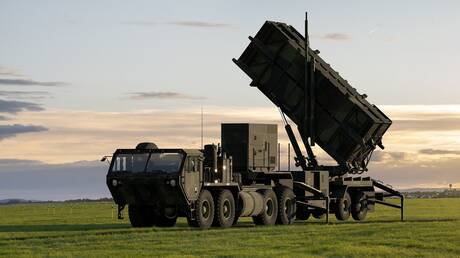
During a recent gathering at Camp David, Trump engaged in a heated exchange with conservative commentator Pete Hegseth, focusing on the depletion of U.S. munitions. Trump's frustration over reports detailing the status of U.S. military supplies reflects his concern that such information undermines his negotiation position with Iran. Trump's approach highlights a broader strategy of tough rhetoric aimed at projecting strength on the international stage.
In an interesting intersection of domestic and foreign policy, Trump has also been vocal in defending Hegseth amid discussions surrounding a tragic school shooting in Thailand. This defense emphasizes Trump's ongoing efforts to connect with his base while navigating the complex landscape of gun control debates.
Domestically, Trump is facing fallout from recent remarks about Canada, which he described as 'nasty.' This comment sparked a response from former Bank of England Governor Mark Carney, who suggested that such language is fitting given the current state of trade negotiations. Trump's relationship with Canada has been fraught with tension, particularly during his presidency, and these remarks may further complicate diplomatic relations.
In an effort to solidify his stance on immigration, Trump has signed executive orders aimed at targeting birthright citizenship and what he terms 'birth tourism.' These actions align with his long-standing rhetoric on immigration reform and resonate with his supporters who advocate for stricter immigration policies. By revisiting these contentious issues, Trump is reinforcing his identity as a populist leader focused on national sovereignty.
The recent surge of activities surrounding Trump, from his aggressive posture on Iran to his polarizing remarks on international relations and immigration, illustrates the multifaceted challenges he faces as he navigates the political landscape. As he re-emerges in the public eye, his actions and statements will likely be scrutinized not only for their immediate impact but also for their long-term implications on U.S. foreign policy and domestic governance.
In conclusion, Trump's recent comments and actions reflect a complex interplay of national security concerns, international diplomacy, and domestic political strategy. As the situation with Iran continues to evolve and domestic issues persist, Trump's approach will play a critical role in shaping both his legacy and the broader trajectory of U.S. policy.