Trump's Recent Decisions: Military Reductions, Controversies, and Blame Game
In a surprising move, former President Donald Trump has ordered the Pentagon to substantially reduce joint military exercises with South Korea. This decision is seen as a reflection of his ongoing efforts to maintain a ‘good relationship’ with North Korean leader Kim Jong-un, a relationship that has been a focal point of Trump’s foreign policy.
The reduction of military drills has raised eyebrows among defense analysts and allies who argue that such exercises are crucial for maintaining readiness and deterrence in the region. Trump's approach, particularly following his historic summits with Kim, marks a significant shift in U.S. military strategy in East Asia.
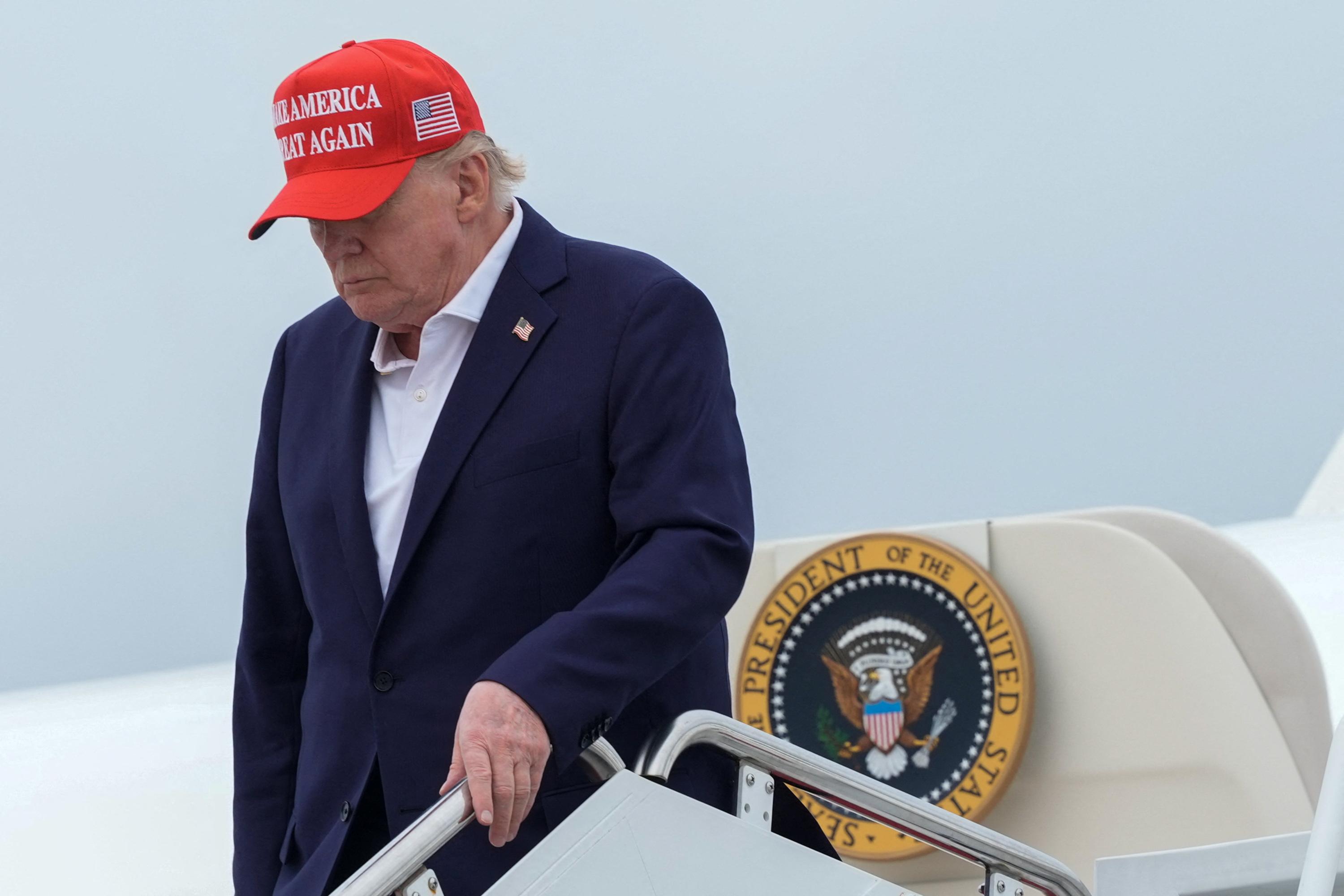
In a series of headlines earlier this week, Trump faced backlash not only for his military decisions but also for a range of personal controversies. One particularly notable incident occurred at an airport, where years of support for Trump unraveled in just fifteen minutes, showcasing the volatility of his political base. This unforeseen backlash highlights the fragility of his support and raises questions about his future political viability.
In the world of sports, a NASCAR star drew comparisons to Trump, urging fans to stop their complaints, a move that illustrates the crossover of Trump’s influence into various cultural spheres. Meanwhile, Trump himself claimed victory in yet another controversial golf event, which has been met with skepticism and claims of dubious credibility.
Amid these controversies, Trump’s administration has been criticized for its stance on Alzheimer’s research, which some view as part of a broader war against diversity, equity, and inclusion initiatives (DEI). This development has sparked outrage among healthcare advocates who argue that such research is vital for countless families affected by the disease.
Moreover, Trump made headlines again by blaming ‘vandals’ for damage to the grass on the National Mall, where he hosted his July 4 celebration. This incident of blaming others fits a pattern of behavior for Trump, who often deflects responsibility in the face of criticism. His comments regarding the damaged lawn have drawn ridicule, especially as it comes at a time when his decisions and leadership style are under intense scrutiny.
As these events unfold, it’s clear that Trump’s political narrative continues to evolve. His decisions on military exercises with South Korea might resonate well with his supporters who favor a diplomatic approach to North Korea, but they could alienate traditional conservatives who prioritize military readiness. Furthermore, his tendency to deflect blame and engage in controversial statements keeps him in the public eye but also raises questions about accountability.
In conclusion, Trump remains a polarizing figure in American politics. His recent actions and the surrounding controversies indicate that while he may maintain a loyal base, the complexities of his political legacy are increasingly complicated. As Trump navigates these challenges, the implications for his future and his party remain uncertain.