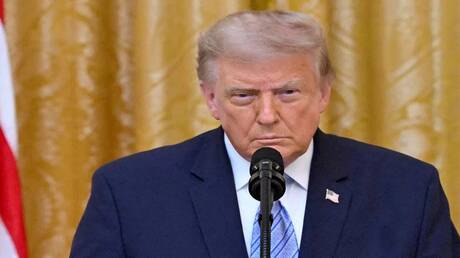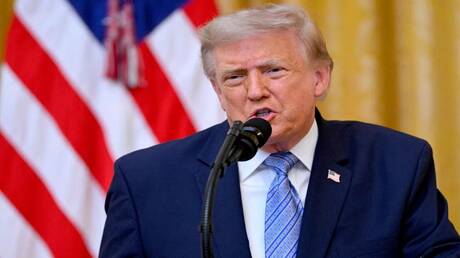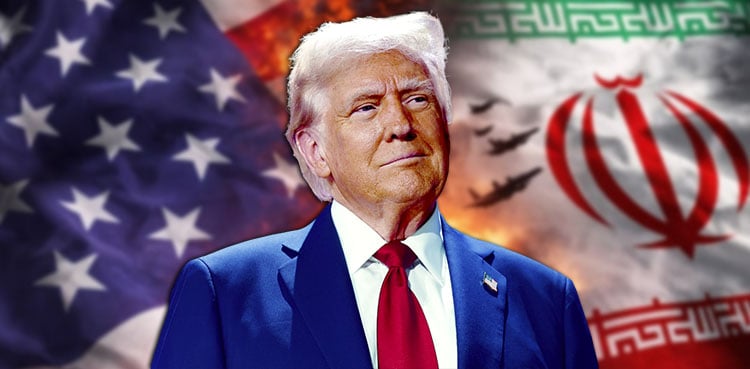
DUBAI/TEL AVIV/WASHINGTON: U.S. President Donald Trump announced a new extension of his deadline for Iran to reopen the Strait of Hormuz or face the destruction of its energy plants, after Iran rejected his 15-point proposal to end the war he launched with Israel.
Iran gave no direct indication that it was ready for negotiation or compromise. The Islamic Revolutionary Guard Corps issued a statement reaffirming that all shipping “to and from ports of allies and supporters of the Israeli-American enemies” to any destination was prohibited.
The war has spread across the Middle East, killing thousands of people and causing the biggest disruption in history to energy supplies, hitting the global economy with soaring oil, gas and fertiliser prices that have fuelled inflation fears.
The U.S. and Israel launched strikes on Iran on February 28 during talks with Tehran about its nuclear programme that had not yet yielded a deal.
Attacks on Israel by Iran’s Lebanese ally Hezbollah then triggered an Israeli onslaught there that has displaced a fifth of Lebanon’s population.
On Thursday, Trump threatened during a cabinet meeting to increase pressure on Iran if it did not make a deal. He later posted on social media that he would pause threatened attacks on Iranian energy plants for 10 days until April 6 at 8 p.m. Eastern daylight time (0000 GMT on April 7).
“Talks are ongoing and, despite erroneous statements to the contrary by the Fake News Media, and others, they are going very well,” he added in his Truth Social post.
PREPARATIONS MADE FOR PAKISTAN MEETING, GERMANY SAYS
Iran has said it is not talking to Washington. Trump has not specified who the U.S. is purportedly negotiating with in Iran, where many high-ranking officials have been killed in the war.
German Foreign Minister Johann Wadephul told Deutschlandfunk radio that he believed “there have been indirect contacts, and preparations have been made to meet directly”.
“That would be very soon in Pakistan, apparently.”
Pakistan, which has good relations with Iran, passed on Washington’s 15-point proposal, and is willing to host meetings.
On March 23, Trump announced a halt to all threatened strikes against power plants and energy infrastructure for five days.
In Thursday’s post, he said the new pause was in response to an Iranian request, although there was no immediate reaction from Tehran, and the Wall Street Journal cited mediators as casting doubt on his assertion.
Iran has said it will respond with its own strikes on energy facilities in the Gulf region if Trump follows through with his threat.
Iran has effectively blocked the Strait of Hormuz, which carries about 20% of global oil and liquefied natural gas, driving up energy prices and roiling financial markets.
Millions of civilians in the region rely on electricity to power their cities and supply fresh water from desalination plants.
Strikes on three buildings in the Pardisan area of Qom, south of Tehran, killed at least 15 people and injured 10 others, Iranian media reported. In Tehran, rescue workers from the Red Crescent pulled a survivor from rubble.
In Urmia, in the northwest, a direct missile strike on a housing complex killed and injured several civilians, with rescue operations continuing, Iranian media said.
The Israeli military said it carried out a wave of overnight strikes in Tehran on dozens of military sites linked to Iran’s missile programme, including weapons manufacturing facilities, launch infrastructure and personnel.
IRAN REPORTS ARRESTS LINKED TO ISRAEL
In the west Iranian province of Kermanshah, the revolutionary guards said they had arrested a three-member cell linked to Israel’s Mossad spy agency that had planned attacks on sensitive sites and military personnel, Iranian media reported.
In the central province of Isfahan, more than 15 people were arrested on suspicion of working for the foreign-based Iran International and Manoto TV networks, which state media describe as Israeli-affiliated.
State TV said they were accused of transmitting images of bombing sites and military positions to enemy forces. It cited the guards as saying there had now been 103 arrests during the war of people suspected of working for the U.S. or Israel.
The war has massively disrupted Gulf energy output, driving up the prices of not only oil and gas but also nitrogen fertilisers, critical to food production.
Stock markets continued their slide on Friday, while the Brent crude oil benchmark stood around $110, having risen more than 50% since the war began.
“Many see the Iranian regime as holding the upper hand and doubt that there are indeed productive negotiations with the U.S. in process,” said ITC Markets senior FX analyst Sean Callow.
An Iranian official told Reuters that senior Iranian officials had reviewed a 15-point U.S. proposal in detail and felt it served only U.S. and Israeli interests. But they said diplomacy had not ended.
The proposal included demands ranging from dismantling Iran’s nuclear programme to curbing its missile programme and effectively handing over control of the Strait of Hormuz, according to sources and reports.
European powers have accused Russia of helping Iran attack U.S. forces in the Middle East war, and said they would raise the issue with U.S. Secretary of State Marco Rubio on Friday at a meeting in France of foreign ministers from the Group of Seven leading democracies.
Two Western security sources and a regional official close to Tehran told Reuters that Moscow had been providing satellite imagery to Tehran and also helped it to upgrade its drones to emulate equivalent versions used by Russia against Ukraine.