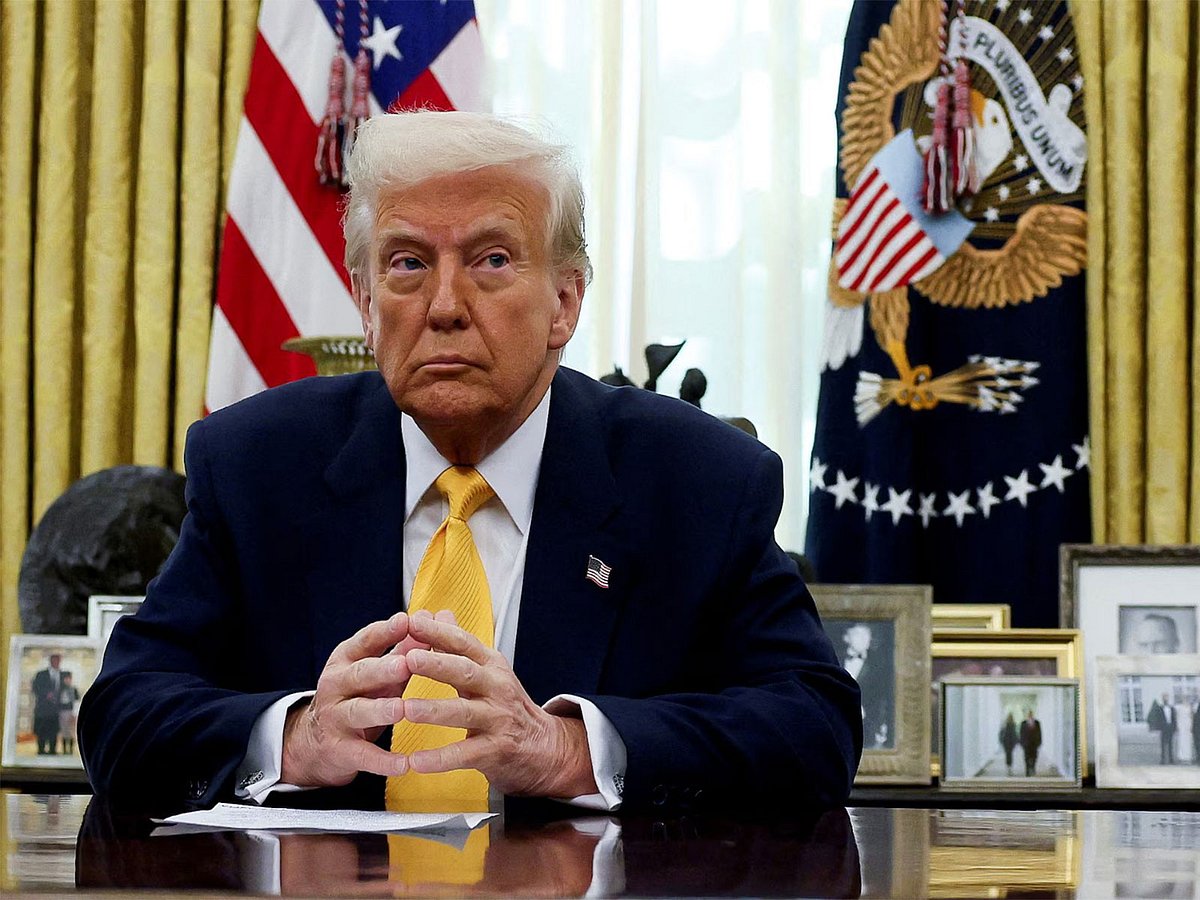
Trump bets on blockade to force Iran deal — will Tehran budge?
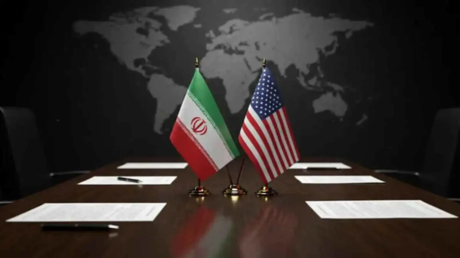
المصدر: Gulf News | Source: Gulf NewsWASHINGTON: Donald Trump has pivoted from military escalation to economic warfare, betting that a sweeping naval blockade of Iran’s ports and shipping can succeed where weeks of US-Israeli strikes have not — forcing Tehran back to the negotiating table.
The strategy is stark: Cut off Iran’s ability to export oil and import essential goods, and the resulting economic shock — from currency collapse to potential food shortages — could push its leadership into concessions. After Iran’s move to choke global trade through the Strait of Hormuz, Washington is now attempting a counter-chokehold of its own.
US officials and allied analysts argue the approach could quickly narrow Tehran’s options. Much of Iran’s trade flows through Hormuz, leaving it acutely vulnerable to maritime disruption. If exports stall and storage fills up, oil production itself could be forced offline within weeks, triggering inflationary pressure and a deeper economic crisis.
But the plan rests on a familiar and risky assumption — that Iran will respond to mounting pressure in a way Washington considers rational.
Recent history suggests otherwise. From Iraq to Afghanistan and Libya, US adversaries have often absorbed severe economic and military pain rather than yield to Western demands. Iranian authorities, too, have shown a high tolerance for internal hardship, maintaining control through years of sanctions, unrest and now sustained military pressure.
But there is little evidence so far that Tehran is ready to yield under pressure.
That raises a central question: Will the blockade break Iran’s resolve before it deepens the global economic fallout already triggered by disruptions in Hormuz?
How the blockade could hit Iran
Trade choke point: Over 90% of Iran’s trade passes through the Strait of Hormuz
Oil exports at risk: Blockade could halt shipments, forcing production cuts
Currency pressure: Reduced revenue may trigger inflation and rial depreciation
Short-term shock: Economic impact could be felt within days to weeks
Escalation risk: Iran may retaliate via regional proxies or alternate shipping routes
Timing may prove decisive. Energy markets and global supply chains are already under strain, with reduced traffic through the strait affecting oil and gas flows. A prolonged standoff risks amplifying those shocks, potentially turning economic pressure on Tehran into political pressure on Washington.
Red Sea corridor
The blockade also opens new escalation pathways. Iran could respond indirectly — for instance, through allied groups targeting shipping routes beyond the Gulf. A disruption in the Red Sea corridor would deliver a far wider blow to global trade, raising the stakes for all sides.
There are diplomatic risks as well. Enforcing the blockade could bring US forces into confrontation with vessels linked to major powers such as China or India, both key buyers of Iranian oil. Any such incident could widen the crisis beyond the immediate conflict.
Despite these uncertainties, the White House remains optimistic. Officials say the pressure campaign could pave the way for renewed negotiations after earlier talks stalled.
There are indications that both sides may still be probing for compromise — with differences over uranium enrichment timelines and sanctions relief emerging as potential areas for bargaining, according to CNN.
Yet the gap remains wide. Washington is seeking long-term limits on Iran’s nuclear and missile capabilities, while Tehran is demanding compensation and insisting on retaining key strategic assets.
For now, Trump’s blockade represents a calculated gamble — an attempt to turn economic leverage into diplomatic momentum without reigniting full-scale conflict.
The bigger question, however, may come later: if the pressure works, what kind of deal emerges — and if it fails, what options remain?
ملاحظة تحريرية | Editorial Note: نُشر هذا المقال في الأصل بواسطة Gulf News. خبر (Khabr) هي منصة إعلامية أردنية مرخّصة تعمل بالذكاء الاصطناعي. نضيف قيمة تحريرية من خلال: تحليل ذكي للأخبار، ملخصات تلقائية، رواية صوتية بالذكاء الاصطناعي، ترجمة متعددة اللغات، وتدقيق الحقائق. هدفنا جعل الأخبار أكثر وضوحاً وسهولةً للقارئ العربي.
This article was originally published by Gulf News. Khabr is a licensed Jordanian AI-powered news platform (Registration #82086). We add editorial value through: AI-powered news analysis, automated summaries, AI audio narration, multi-language translation (Arabic, English, French, Turkish), and AI fact-checking. Our mission is to make news more accessible and understandable for Arabic-speaking audiences worldwide.