The Iran war’s next hidden cost: Higher prices for plastic
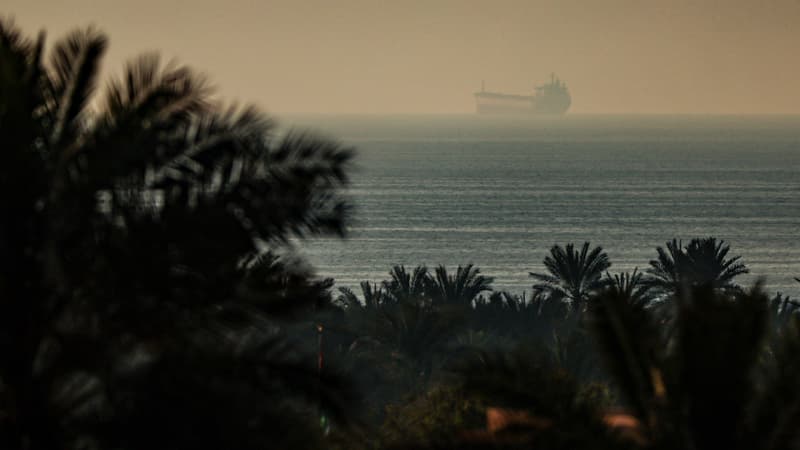
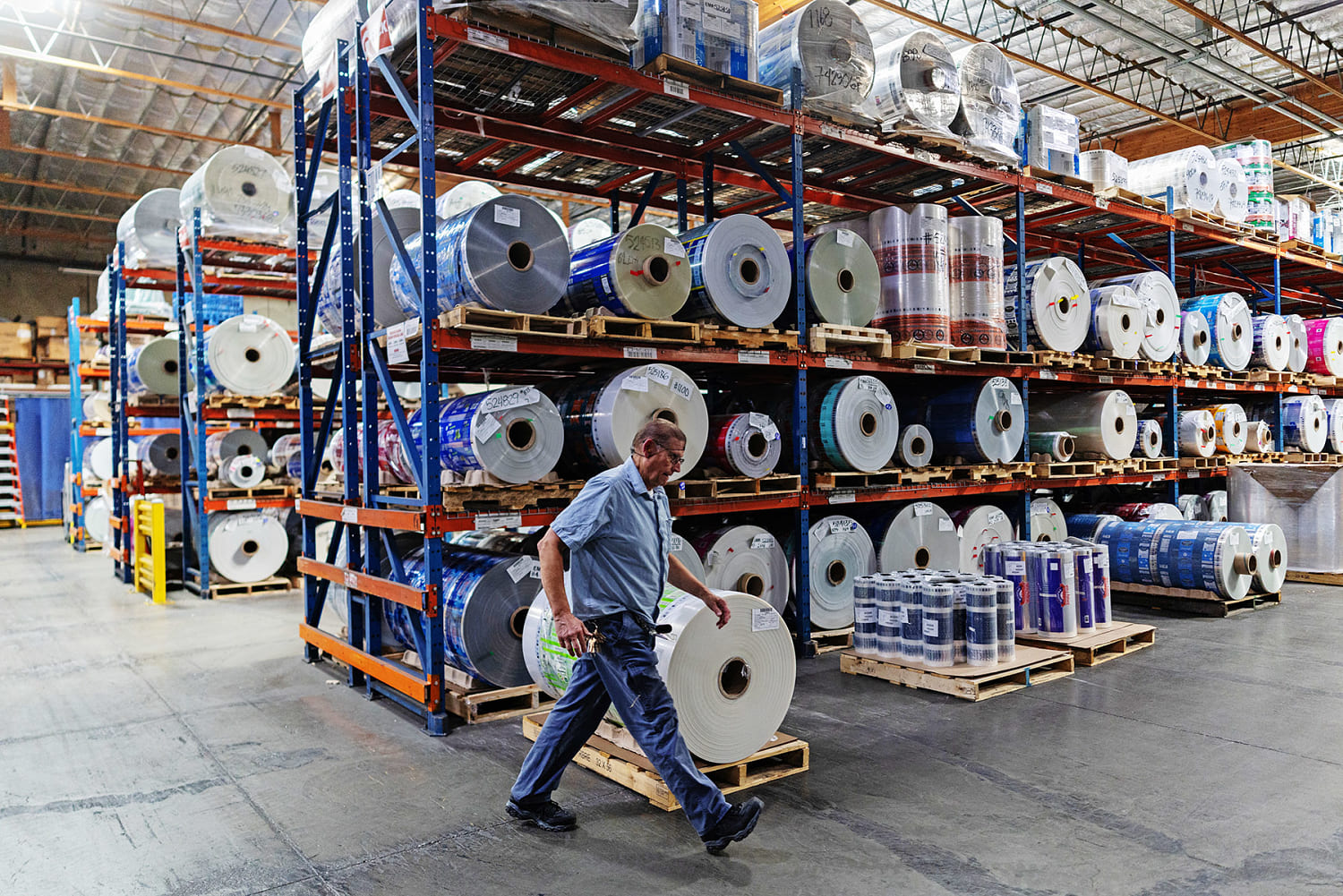
Iran warThe Iran war’s next hidden cost: Higher prices for plasticLast year, the Middle East accounted for around 42% of global exports of polyethylene, the key ingredient in most plastic packaging.Listen to this article with a free account00:0000:00An employee at Emerald Packaging walks by rolls of plastic at the company’s facility in Union City, Calif., on April 6.Carlos Barria / Reuters ShareAdd NBC News to GoogleApril 17, 2026, 3:45 PM EDTBy Maya Huter and Brian CheungNearly every American consumer staple, from fresh produce and baked goods to household supplies and medical equipment, has been packed at some point in lightweight, flexible plastic sacks, known in the industry as poly bags. Subscribe to read this story ad-free Get unlimited access to ad-free articles and exclusive content.Elevated gas prices have already given U.S. consumers a sense of how the U.S.-Israeli war with Iran can impact their wallets when crude oil prices increase. But the downstream cost increases across products further along the supply chain are only beginning to be calculated. The price of polyethylene, a synthetic resin derived from petroleum and natural gas and used to make plastic packaging, has soared alongside oil prices.Last year, the Middle East accounted for around 42% of global exports of polyethylene, according to data from the polymer and chemical analysis firm ITP.With oil tankers effectively barred for weeks from transiting the critical Strait of Hormuz — the only way to reach the global market — plastic packaging producers have seen their costs skyrocket. The price of polyethylene pellets, known as resin, has nearly doubled since the United States and Israel launched the war, and was up 30 cents per pound at the start of April.Two American plastic manufacturers told NBC News the tenuous U.S.-Iran two-week ceasefire agreement came too little, too late to slow down the incoming price hikes. “Maybe late summer, you might start to see some price relief,” said Kevin Kelly,...المصدر: NBC News | Source: NBC News
ملاحظة تحريرية | Editorial Note: نُشر هذا المقال في الأصل بواسطة NBC News. خبر (Khabr) هي منصة إعلامية أردنية مرخّصة تعمل بالذكاء الاصطناعي. نضيف قيمة تحريرية من خلال: تحليل ذكي للأخبار، ملخصات تلقائية، رواية صوتية بالذكاء الاصطناعي، ترجمة متعددة اللغات، وتدقيق الحقائق. هدفنا جعل الأخبار أكثر وضوحاً وسهولةً للقارئ العربي.
This article was originally published by NBC News. Khabr is a licensed Jordanian AI-powered news platform (Registration #82086). We add editorial value through: AI-powered news analysis, automated summaries, AI audio narration, multi-language translation (Arabic, English, French, Turkish), and AI fact-checking. Our mission is to make news more accessible and understandable for Arabic-speaking audiences worldwide.