The first wave of bank earnings shows why ‘resilience’ is Wall Street’s favorite word
المصدر: فورتشن العربية | Source: فورتشن العربية
- In today’s CEO Daily: Diane Brady looks for trends in U.S. bank earnings
- The big leadership story: Experts call for a ban on generative AI programs targeting students
- The markets: Large down across Asia
- Plus: All the news and watercooler chat from Fortune.
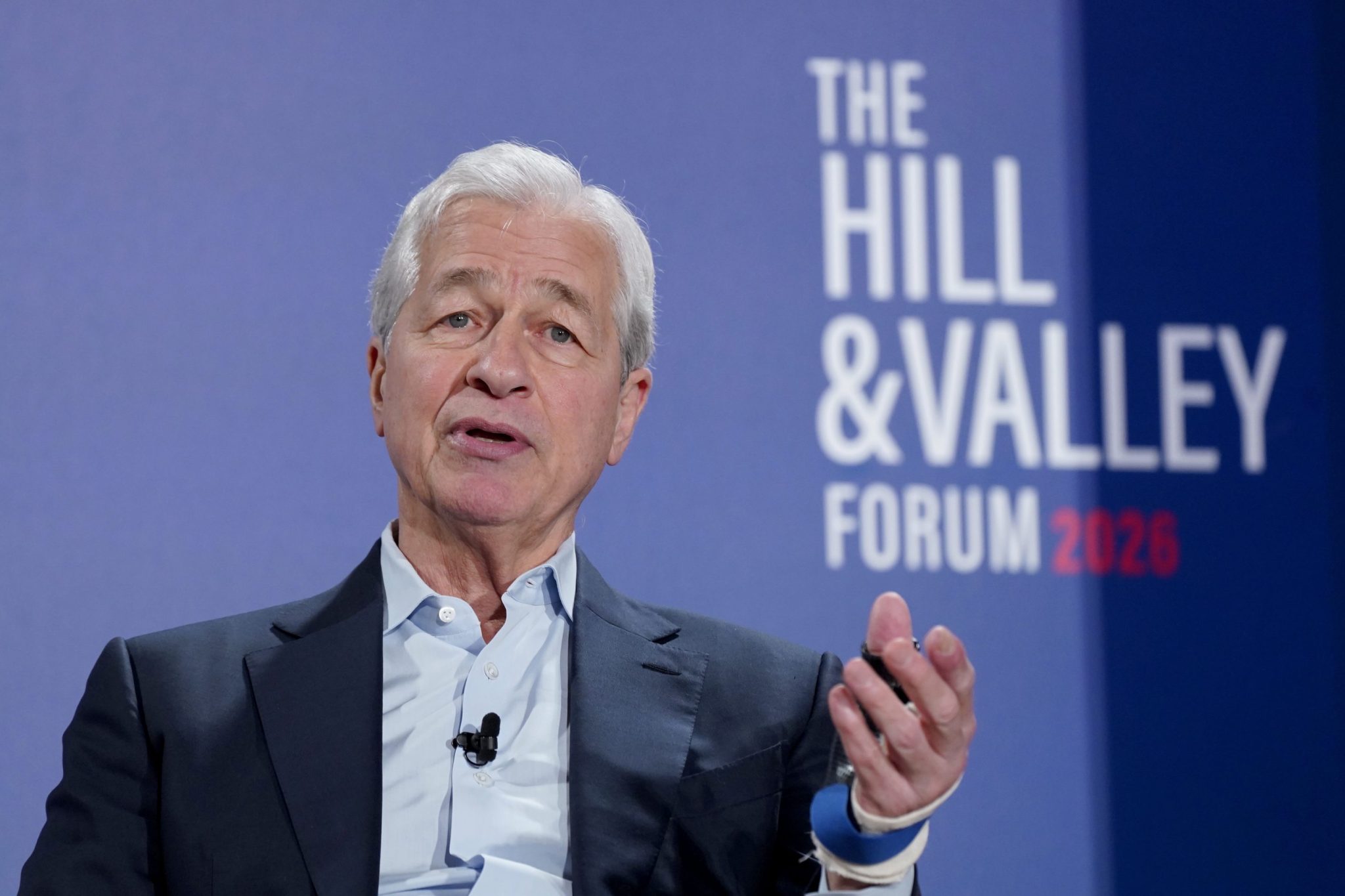
Good morning. Jamie Dimon of JPMorgan Chase says the economy is resilient but vulnerable to risks. Citigroup CEO Jane Fraser says her company is resilient and off to an “exceptionally strong start.” Over at Bank of America, Brian Moynihan says the U.S. consumer is resilient, despite soaring gas prices. And Wells Fargo chief Charlie Scharf is here to remind us that life is complicated.
Welcome to earnings season! Banks are typically first to report (thank you, regulators!), offering some insights into the economy and a taste of what’s to come. Fraser had a new story to tell, with strong revenue and a restructuring plan dubbed “Project Bora Bora” that she says is 90% complete. Dimon delivered a familiar tale that somehow manages to instill calm and panic at the same time. We know consumers are resilient and oil prices hurt. Dimon already warned stagflation could be “the skunk at the party” in his shareholder letter. Two other themes to watch from 10-Qs and earnings calls of the Big Four banks.
Last Days of Disco. Investors are trading like frenzied night-clubbers wondering if the party’s about to end. Oil prices are up. They’re down. Peace talks are on! No, they’re not. Who’s betting what in the prediction markets? What’s the Fed going to do? Wait: the new Fed chairman is invested in Polymarket? Sell! Buy! Fear. Greed. That volatility produced a lot of profits and trading revenue for the banks, not to mention record bonuses for the traders. But volatility can reflect both uncertainty and mounting risk.
Don’t panic over private credit. Yes, there’s a $265 billion meltdown. Yes, the Fed wants more details on banks’ exposure to the largely unregulated $1.8 trillion market in non-bank lending. The Big Four did collectively report more than $128 billion in exposure to private credit loans this quarter. But Bank of America reported having “structural insulation” from loss in a market they characterize as “largely a repricing of liquidity.” Dimon, the man who warned us that “when you see one cockroach, there are probably more” a few months ago, is now “not particularly worried.” Citi, which has arguably just recovered from the 2008 financial crisis, is “constantly stress testing” and comfortable” with its portfolio. Wells Fargo isn’t worried, either, and Treasury Secretary Scott Bessent doesn’t see a systemic problem. So relax, and go worry about that $39 trillion national debt instead.
Contact CEO Daily via Diane Brady at diane.brady@fortune.comThis story was originally featured on Fortune.com
ملاحظة تحريرية | Editorial Note: نُشر هذا المقال في الأصل بواسطة فورتشن العربية. خبر (Khabr) هي منصة إعلامية أردنية مرخّصة تعمل بالذكاء الاصطناعي. نضيف قيمة تحريرية من خلال: تحليل ذكي للأخبار، ملخصات تلقائية، رواية صوتية بالذكاء الاصطناعي، ترجمة متعددة اللغات، وتدقيق الحقائق. هدفنا جعل الأخبار أكثر وضوحاً وسهولةً للقارئ العربي.
This article was originally published by فورتشن العربية. Khabr is a licensed Jordanian AI-powered news platform (Registration #82086). We add editorial value through: AI-powered news analysis, automated summaries, AI audio narration, multi-language translation (Arabic, English, French, Turkish), and AI fact-checking. Our mission is to make news more accessible and understandable for Arabic-speaking audiences worldwide.