The air across Italy feels heavy this March, and it’s a tension every Azzurri fan knows all too well. With a 2026 World Cup spot finally within reach, this isn’t just about qualifying; it’s about exorcising the ghosts of past heartbreaks and proving this team actually has a new identity.
When Northern Ireland arrives at Bergamo’s Gewiss Stadium on March 26, the usual talk of “home-field magic” won’t be enough to carry them. In today’s game, a roaring crowd is a great bonus, but a disciplined, rock-solid tactical setup is the only thing that actually wins matches. If the foundation on the pitch isn’t there, the atmosphere in the stands won’t save them.
The Gattuso Grinta: Tactical Discipline as a Shield
Since taking over in late 2025, Gennaro Gattuso has done exactly what many expected: he’s made Italy incredibly difficult to play against. This isn’t the aimless possession we’ve seen in years past. Instead, the focus has shifted toward “block density.” It’s a term coaches use to describe a compact defensive unit in which the gap between the backline and the midfield is kept to under 30 meters. This claustrophobic setup is designed to kill the game for the opposition, forcing them into harmless wide areas and limiting penetration into the centre.
In a single-leg playoff, one mistake is usually the end of the road. This high-stakes reality is why we see such a heavy emphasis on “rest-defence.” Even when Italy is on the front foot, the holding midfielders and full-backs are now drilled to stay goal-side, anticipating the turnover before it even happens. For Gattuso, tactical discipline isn’t just a strategy; it’s the only safety net that matters when the pressure reaches a boiling point.
The Digital Fan: Tracking the Chess Match
The way we consume these matches has also undergone a massive shift. We aren’t just looking at the scoreboard anymore; we’re looking at live xG (expected goals) and heat maps on our phones during the game. This “second-screen” experience has made the average supporter much more aware of the tactical chess match happening on the pitch.

This reliance on real-time data means fans often turn to a regulated sportsbook to monitor how live probabilities shift the moment a manager makes a tactical substitution or a key man like Alessandro Bastoni receives a yellow card. These shifting figures, paired with Football Italia’s minute-by-minute updates, allow fans to view the match through the lens of a professional scout. It is no longer a matter of “gut feeling,” but a process of watching the data confirm the tactical discipline, or the lack thereof, throughout the full 90 minutes.
The Home Advantage Myth?
Choosing Bergamo as the venue for this semi-final is a calculated move. While official league data shows that playing at home still provides a marginal statistical edge, the “fortress” effect has certainly waned. These days, the so-called “hostile atmosphere” at away games isn’t as intimidating as it once was. The real edge is boring but real: sleeping in your own bed, skipping a long flight, and practising on familiar grass.
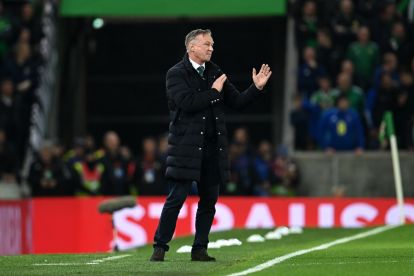
Still, a home crowd can bite back. If Northern Ireland frustrates the Azzurri early, the cheers can quickly turn tense and heavy. That’s why the squad trains to be “stadium-agnostic.” Lombardy, Cardiff, Zenica—no matter the place, the plan stays the same.
Turning Points and The “Second Phase”
Qualification campaigns aren’t usually decided by 90 minutes of beautiful football; they’re decided in the “second phase,” those chaotic seconds right after a set-piece or a lost ball. UEFA’s latest technical observations make one thing clear: early 2026 qualification wasn’t about flair; it was about mastering the transition. Take Italy—Federico Chiesa is finally fit, giving them that vital “X-factor” up top. But let’s be honest: his spark is useless if the defensive bedrock behind him isn’t absolute.
Check the FIFA standings, and the pattern is staring you in the face. The most successful squads right now are the ones that refuse to lose their shape, even when they’re chasing a result. It’s a surgical, almost cold-blooded approach to the modern game, one that prioritises a gritty 1-0 grind over the chaos of a 3-2 shootout.