Supreme Court sides with Trump administration on federal regulation of telecom companies
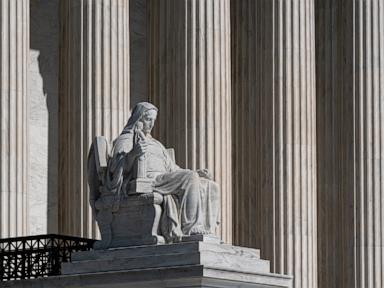
34||h=1&&(this.target=t[0]),t.length>=2&&(this.opts=t[1]);var n,r=this.opts||{},i=this.target;if("string"==typeof i?n=i:"object"==typeof i&&i instanceof y?n=i.url:window.URL&&"object"==typeof i&&i instanceof URL&&(n=i.href),o(this,n),"data"!==this.params.protocol){var s=(""+(i&&i instanceof y&&i.method||r.method||"GET")).toUpperCase();this.params.method=s,this.txSize=m(r.body)||0}}),u.on("fetch-done",function(t,e){if(this.endTime=a.now(),this.params||(this.params={}),"data"===this.params.protocol)return void g("Ajax/DataUrl/Excluded");this.params.status=e?e.status:0;var n;"string"==typeof this.rxSize&&this.rxSize.length>0&&(n=+this.rxSize);var r={txSize:this.txSize,rxSize:n,duration:a.now()-this.startTime};s("xhr",[this.params,r,this.startTime,this.endTime,"fetch"],this)})}},{}],18:[function(t,e,n){var r={};e.exports=function(t){if(t in r)return r[t];if(0===(t||"").indexOf("data:"))return{protocol:"data"};var e=document.createElement("a"),n=window.location,o={};e.href=t,o.port=e.port;var i=e.href.split("://");!o.port&&i[1]&&(o.port=i[1].split("/")[0].split("@").pop().split(":")[1]),o.port&&"0"!==o.port||(o.port="https"===i[0]?"443":"80"),o.hostname=e.hostname||n.hostname,o.pathname=e.pathname,o.protocol=i[0],"/"!==o.pathname.charAt(0)&&(o.pathname="/"+o.pathname);var a=!e.protocol||":"===e.protocol||e.protocol===n.protocol,s=e.hostname===document.domain&&e.port===n.port;return o.sameOrigin=a&&(!e.hostname||s),"/"===o.pathname&&(r[t]=o),o}},{}],19:[function(t,e,n){function r(t,e){var n=t.responseType;return"json"===n&&null!==e?e:"arraybuffer"===n||"blob"===n||"json"===n?o(t.response):"text"===n||""===n||void 0===n?o(t.responseText):void 0}var o=t(22);e.exports=r},{}],20:[function(t,e,n){function r(){}function o(t,e,n,r){return function(){return u.recordSupportability("API/"+e+"/called"),i(t+e,[f.now()].concat(s(arguments)),n?null:this,r),n?void 0:this}}var i=t("handle"),a=t(31),s=t(32),c=t("ee").get("tracer"),f=t("loader"),u=t(25),d=NREUM;"undefined"==typeof window.newrelic&&(newrelic=d);var p=["setPageViewName","setCustomAttribute","setErrorHandler","finished","addToTrace","inlineHit","addRelease"],l="api-",h=l+"ixn-";a(p,function(t,e){d[e]=o(l,e,!0,"api")}),d.addPageAction=o(l,"addPageAction",!0),d.setCurrentRouteName=o(l,"routeName",!0),e.exports=newrelic,d.interaction=function(){return(new r).get()};var m=r.prototype={createTracer:function(t,e){var n={},r=this,o="function"==typeof e;return i(h+"tracer",[f.now(),t,n],r),function(){if(c.emit((o?"":"no-")+"fn-start",[f.now(),r,o],n),o)try{return e.apply(this,arguments)}catch(t){throw c.emit("fn-err",[arguments,this,t],n),t}finally{c.emit("fn-end",[f.now()],n)}}}};a("actionText,setName,setAttribute,save,ignore,onEnd,getContext,end,get".split(","),function(t,e){m[e]=o(h,e)}),newrelic.noticeError=function(t,e){"string"==typeof t&&(t=new Error(t)),u.recordSupportability("API/noticeError/called"),i("err",[t,f.now(),!1,e])}},{}],21:[function(t,e,n){function r(t){if(NREUM.init){for(var e=NREUM.init,n=t.split("."),r=0;r0){var r=n[n.length-1];if(f&&f 1:36The Supreme Court is seen in Washington, Monday, May 18, 2026. (AP Photo/J. Scott Applewhite)The Associated PressWASHINGTON -- The Supreme Court sided with the Trump administration Thursday in a case about the power of federal regulators to enforce data privacy laws on telecommunications companies. The 8-1 decision upheld one of the Federal Communications Commission's key tools, though the case already surfaced an apparent change in how regulations are enforced. The appeal from telecommunications giants Verizon and AT&T challenged multimillion-dollar penalties imposed after the agency determined that the companies had failed to safeguard customer location data. The companies argued that the FCC's process was unconstitutional because it gave them little opportunity to tell their side of the story in court. The Republican administration defended the fines are an essential regulatory tool. But the government also said companies did not have to pay the penalties right away, an apparent shift in practice expected to give the companies more flexibility. Other agencies use similar enforcement methods, so a sweeping victory win for AT&T and Verizon could have had widespread effects, advocates said. The Supreme Court’s conservative majority has gone the other way and limited the power of federal agencies before. That includes overturning a decades-old decision that had given regulators an advantage in court and stripping another agency of a major tool in fighting securities fraud. 24/7 coverage of breaking news and live events The Supreme Court sided with the Trump administration Thursday in a case about the power of federal regulators to enforce data privacy laws on telecommunications companies. The 8-1 decision upheld one of the Federal Communications Commission's key tools, though the case already surfaced an apparent change in how regulations are enforced. The appeal from telecommunications giants Verizon and AT&T challenged multimillion-dollar penalties imposed after the agency determined that the companies had failed to safeguard customer location data. The companies argued that the FCC's process was unconstitutional because it gave them little opportunity to tell their side of the story in court. The Republican administration defended the fines are an essential regulatory tool. But the government also said companies did not have to pay the penalties right away, an apparent shift in practice expected to give the companies more flexibility. Other agencies use similar enforcement methods, so a sweeping victory win for AT&T and Verizon could have had widespread effects, advocates said. The Supreme Court’s conservative majority has gone the other way and limited the power of federal agencies before. That includes overturning a decades-old decision that had given regulators an advantage in court and stripping another agency of a major tool in fighting securities fraud.المصدر: ABC News | Source: ABC News
ملاحظة تحريرية | Editorial Note: نُشر هذا المقال في الأصل بواسطة ABC News. خبر (Khabr) هي منصة إعلامية أردنية مرخّصة تعمل بالذكاء الاصطناعي. نضيف قيمة تحريرية من خلال: تحليل ذكي للأخبار، ملخصات تلقائية، رواية صوتية بالذكاء الاصطناعي، ترجمة متعددة اللغات، وتدقيق الحقائق. هدفنا جعل الأخبار أكثر وضوحاً وسهولةً للقارئ العربي.
This article was originally published by ABC News. Khabr is a licensed Jordanian AI-powered news platform (Registration #82086). We add editorial value through: AI-powered news analysis, automated summaries, AI audio narration, multi-language translation (Arabic, English, French, Turkish), and AI fact-checking. Our mission is to make news more accessible and understandable for Arabic-speaking audiences worldwide.