Some students with disabilities rely on screens at school. What happens if they're banned?
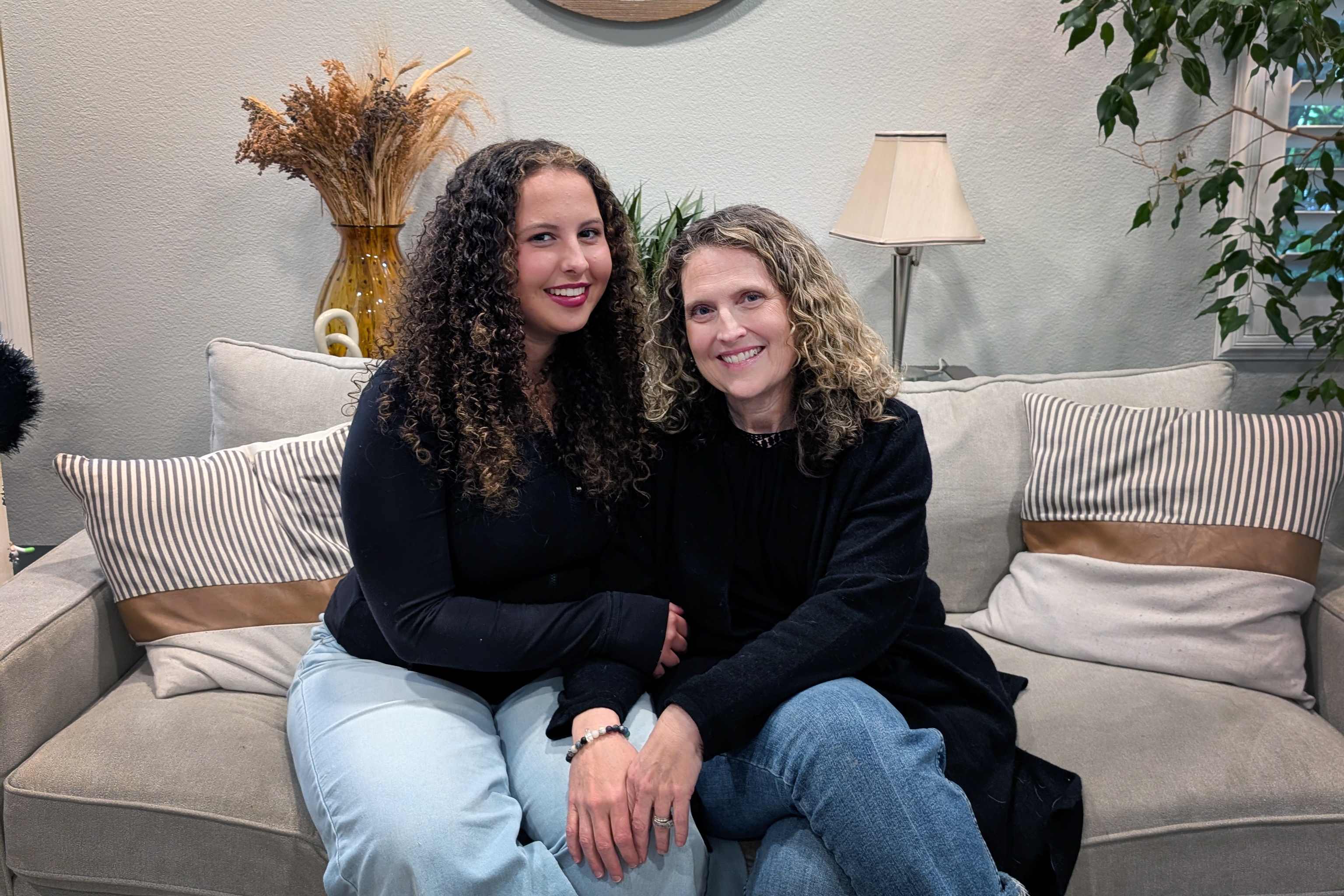
Education Some students with disabilities rely on screens at school. What happens if they're banned? June 4, 20265:00 AM ET Jonaki Mehta Ninth grader Soraya Martin, left, has dyslexia, but using her cellphone and other technologies allow her to excel at school. Her mother, Heather Martin, says students with disabilities aren't always being considered when it comes to school screen bans. Jonaki Mehta/NPR hide caption toggle caption Jonaki Mehta/NPR CONCORD, Calif. — Ninth grader Soraya Martin is a bubbly, social teenager who recently found a new passion. "I'm a very creative writer, I love to write stories for fun," she says. Learning in the age of AI Overworked and understaffed: Special ed teachers turn to AI for help Stories come naturally to Soraya, but reading and writing don't. That's because she has dyslexia. "Academically, school has always been a really big challenge for me." Then last school year, she started using technology that allows her to do a number of things: dictate her writing rather than type, listen to books rather than read them on a page and take photos of notes on the board. It changed everything. Instead of getting caught up in whether a word is spelled right, Soraya finds that with speech-to-text built into her school laptop, she can simply let the words flow from her brain out of her mouth. Sponsor Message "I started getting really good grades," she says. "It made me feel like … I'm not stupid, I have so much to say and it just made me like 'I can do this, I can do school and I can be good at it." This, her mom, Heather Martin, says, is the kind of promise screens hold for students like her daughter — students she worries are being forgotten in the nationwide backlash against screens in schools. Screens are increasingly being blamed for getting in the way of student learning: More than 30 states have banned cellphones in school. Some states have gone further with proposals or policies to entirely remove screens like laptops and tablets from...المصدر: NPR | Source: NPR
ملاحظة تحريرية | Editorial Note: نُشر هذا المقال في الأصل بواسطة NPR. خبر (Khabr) هي منصة إعلامية أردنية مرخّصة تعمل بالذكاء الاصطناعي. نضيف قيمة تحريرية من خلال: تحليل ذكي للأخبار، ملخصات تلقائية، رواية صوتية بالذكاء الاصطناعي، ترجمة متعددة اللغات، وتدقيق الحقائق. هدفنا جعل الأخبار أكثر وضوحاً وسهولةً للقارئ العربي.
This article was originally published by NPR. Khabr is a licensed Jordanian AI-powered news platform (Registration #82086). We add editorial value through: AI-powered news analysis, automated summaries, AI audio narration, multi-language translation (Arabic, English, French, Turkish), and AI fact-checking. Our mission is to make news more accessible and understandable for Arabic-speaking audiences worldwide.