Social media ban for under 16s could turn Britain into a ‘tech desert’, scientists warn.
المصدر: GB News | Source: GB NewsSir Keir Starmer’s planned social media crackdown on children could turn Britain into a “technological desert”, leading experts have warned.
The scientists also fear the Prime Minister's move could force millions of Britons to prove their identity online and hand governments unprecedented internet access powers.
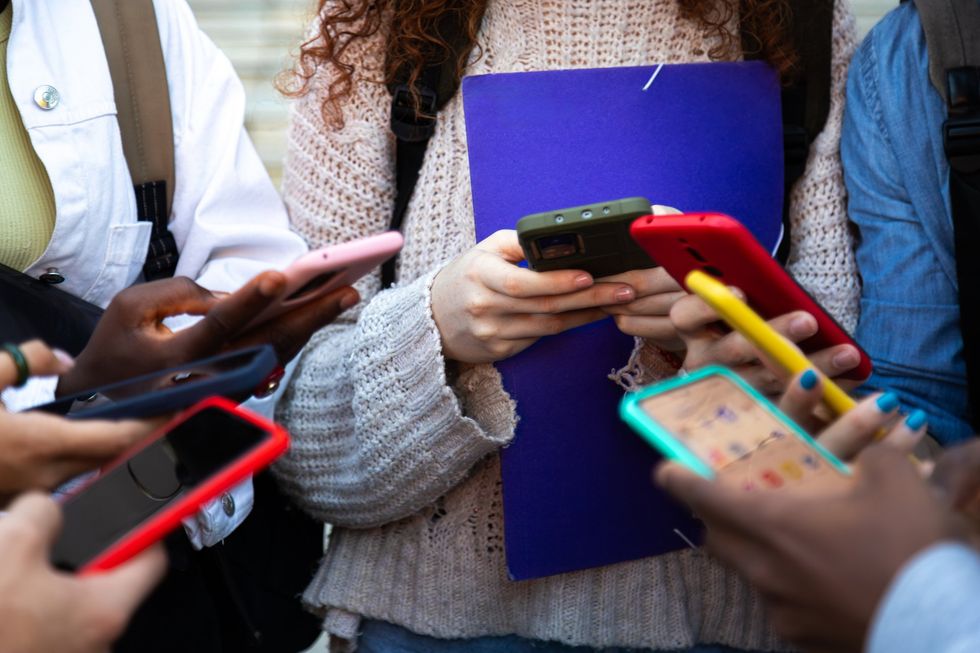
The experts spoke out following reports today ministers are planning tougher restrictions on under-16s accessing social media amid growing concern over the impact of smartphones and online platforms on children’s mental health.
This includes a proposed 10pm social media curfew for under 16s and sweeping new powers to force platforms to disable addictive features for children.
TRENDINGStoriesVideosYour SayWhile details are still being finalised, enforcing such restrictions would require platforms to know the age of users with far greater certainty – a challenge the scientists say remains unresolved.
Supporters of the ban argue stronger protections are needed to shield young people from harmful content, pornography, cyberbullying and online exploitation.
However, more than 400 scientists from around the world have now signed an open letter urging ministers to halt plans for sweeping age-verification systems, warning there is no evidence they will work and claiming they could undermine privacy, security and freedom online.
The letter, signed by 438 security, tech and privacy researchers from 32 countries, has called for a moratorium on age-assurance technology until its risks and benefits are better understood.
Professor Alan Woodward, a cybersecurity expert at the University of Surrey and one of the signatories, accused policymakers of pursuing “technological solutions to sociological problems”.
He said: “Whilst no one in their right mind wants a child to be harmed, there are alternative ways to address the issue, and this is a multi-stakeholder approach, only a section of whom are the technology providers.”
The researchers warn age checks could require vast numbers of ordinary users to verify who they are online, creating a system that is intrusive, vulnerable to abuse and easily bypassed.
In their letter, the scientists warned age-assurance systems can be circumvented using software allowing users to disguise their online location – VPNs – as well as borrowed credentials, bought accounts, deepfakes and AI-generated profiles.
LATEST DEVELOPMENTS
- Keir Starmer set to impose internet restrictions on millions of Britons within days
- ‘Be stronger as a parent!’ Tech journalist rejects social media ban for children as ‘patent cobblers’
- MPs renew demand for social media ban for children amid warning 'addictive' apps causing harm in young people
Far from protecting children, they argue, restrictions could simply drive users towards less regulated websites, exposing them to scams, fraud and malware.
The researchers wrote: “We are writing this letter to call for a moratorium on deployment plans until the scientific consensus settles on the benefits and harms that age-assurance technologies can bring, and on the technical feasibility of such a deployment.”
They added: “We believe that it is dangerous and socially unacceptable to introduce a large-scale access control mechanism without a clear understanding of the implications that different design decisions can have on security, privacy, equality, and ultimately on the freedom of decision and autonomy of individuals and nations.”
The letter also raises concerns age-verification infrastructure could ultimately be used for purposes far beyond child protection.
They fear those controlling such systems would gain significant influence over what information people can access online and caution that, in the wrong hands, the tech can be used to censor lawful content or restrict access to internet services for reasons unrelated to safety.
Prof Woodward also believes many tech and service providers “may have to withdraw from the UK" , saying: (It) could leave U.K. users in general far worse off. Signal Messenger issued a statement saying this very directly. We could literally become a technological desert.”
He added: “Whilst what the government appears to be suggesting may be from the best of intentions, based on some of what has been suggested in various speeches, it would be technically infeasible and ultimately unenforceable."
He added such a ban “should be based on broad evidence, not the dreadful anecdotal experiences of some". He urged Labour to “propose something that will not simply score political points but be technically feasible so that the overall objective of protecting children is achieved.”
Dr Junade Ali, a leading technology expert, fears there are also longer-term risks to children of banning social media. She said: "We can’t raise a generation of digital citizens by keeping them offline, and the skills young people need to stay safe online are the same skills they will need to get a job, participate in society, and navigate an increasingly digital world.”
Downing Street, however, insists tougher action is necessary to protect children from harmful content and addictive online features
Our Standards: The GB News Editorial Charter
ملاحظة تحريرية | Editorial Note: نُشر هذا المقال في الأصل بواسطة GB News. خبر (Khabr) هي منصة إعلامية أردنية مرخّصة تعمل بالذكاء الاصطناعي. نضيف قيمة تحريرية من خلال: تحليل ذكي للأخبار، ملخصات تلقائية، رواية صوتية بالذكاء الاصطناعي، ترجمة متعددة اللغات، وتدقيق الحقائق. هدفنا جعل الأخبار أكثر وضوحاً وسهولةً للقارئ العربي.
This article was originally published by GB News. Khabr is a licensed Jordanian AI-powered news platform (Registration #82086). We add editorial value through: AI-powered news analysis, automated summaries, AI audio narration, multi-language translation (Arabic, English, French, Turkish), and AI fact-checking. Our mission is to make news more accessible and understandable for Arabic-speaking audiences worldwide.