Second round in Islamabad: Who’s at the US-Iran negotiating table?
•play Live Sign upShow navigation menu.css-15ru6p1{font-size:inherit;font-weight:normal;}Navigation menuNewsShow more news sectionsAfricaAsiaUS & CanadaLatin AmericaEuropeAsia PacificMiddle EastExplain...
•xwhatsapp-strokecopylinkgoogleAdd Al Jazeera on GoogleinfoA police checkpoint near Faisal Masjid, as Pakistan prepares to host the U.S.
•and Iran for the second phase of peace talks in Islamabad, April 19, 2026.
هذا الخبر من Al Jazeera English. خبر يقدم أدوات ذكاء اصطناعي للتلخيص والترجمة والاستماع.
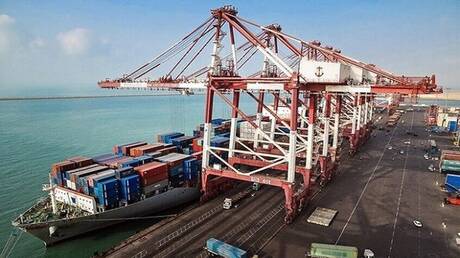
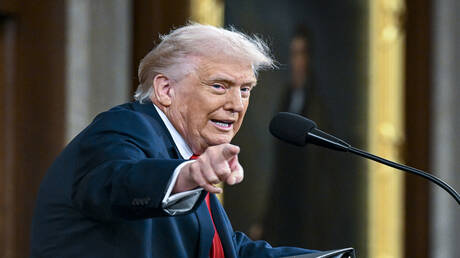
play Live Sign upShow navigation menu.css-15ru6p1{font-size:inherit;font-weight:normal;}Navigation menuNewsShow more news sectionsAfricaAsiaUS & CanadaLatin AmericaEuropeAsia PacificMiddle EastExplainedOpinionSportVideoMoreShow more sectionsFeaturesEconomyHuman RightsClimate CrisisInvestigationsInteractivesIn PicturesScience & TechnologyPodcastsTravelplay Live Click here to searchsearchSign upNavigation menucaret-leftDonald TrumpWhat to know about the SAVE ActTrump’s midterm strategyWhy did Trump fire Pam Bondi?Could the US oil blockade snuff out the Cuban cigar?caret-rightFeatures|ConflictSecond round in Islamabad: Who’s at the US-Iran negotiating table?As a fragile “ceasefire” nears its end, Washington and Tehran send veteran insiders to Pakistan. xwhatsapp-strokecopylinkgoogleAdd Al Jazeera on GoogleinfoA police checkpoint near Faisal Masjid, as Pakistan prepares to host the U.S. and Iran for the second phase of peace talks in Islamabad, April 19, 2026. REUTERS/Akhtar Soomro (Reuters)By Mohammad MansourPublished On 20 Apr 202620 Apr 2026Negotiators from the United States have arrived in Pakistan’s capital, Islamabad, for a second round of talks with Iran aimed at extending a two-week ceasefire which is set to expire on Wednesday. The diplomatic efforts are unfolding amid sharp military escalation, hours after the US Navy intercepted and seized the Touska, a 274 metre-long [900 feet], Iranian-flagged container ship in the Gulf of Oman. The negotiations follow a period of heightened rhetoric, with US President Donald Trump threatening to destroy Iran and wipe out power plants and civilian infrastructure if a deal is not reached. Tehran has labelled the ship’s seizure “piracy” and has expressed uncertainty regarding its participation in the sessions while the naval blockade remains. The current diplomatic track predates the outbreak of the US-Israel war on Iran, which began on February 28. While some figures at the table led indirect talks before the conflict, another key Iranian negotiator has been permanently silenced. Just weeks before the war broke out, Ali Larijani, the secretary of Iran’s Supreme National Security Council, was engaged in indirect negotiations with Washington, mediated by Oman. Born in 1958, Larijani was widely viewed as the pragmatic face of the Iranian establishment. A mathematician and philosopher who wrote his university thesis on Immanuel Kant, he served as the country’s chief nuclear negotiator and was a bridge between the security apparatus and the political establishment. He was killed in an Israeli air attack in early March, removing one of Tehran’s most experienced strategic minds from the current diplomatic equation. As the Wednesday deadline nears, the prospect of a lasting agreement remains deeply uncertain. Millions of people, in the Gulf and beyond, are watching how the talks play out. They also fear the escalation that could follow if Iran and the US do not reach a peace deal, and how the prospects of a prolonged conflict directly impacts their daily lives. Advertisement AboutAboutShow moreAbout UsCode of EthicsTerms and ConditionsEU/EEA Regulatory NoticePrivacy PolicyCookie PolicyCookie PreferencesAccessibility StatementSitemapWork for usConnectConnectShow moreContact UsUser Accounts HelpAdvertise with usStay ConnectedNewslettersChannel FinderTV SchedulePodcastsSubmit a TipPaid Partner ContentOur ChannelsOur ChannelsShow moreAl Jazeera ArabicAl Jazeera EnglishAl Jazeera Investigative UnitAl Jazeera MubasherAl Jazeera DocumentaryAl Jazeera BalkansAJ+Our NetworkOur NetworkShow moreAl Jazeera Centre for StudiesAl Jazeera Media InstituteLearn ArabicAl Jazeera Centre for Public Liberties & Human RightsAl Jazeera ForumAl Jazeera Hotel PartnersFollow Al Jazeera English:المصدر: Al Jazeera English | Source: Al Jazeera English
ملاحظة تحريرية | Editorial Note: نُشر هذا المقال في الأصل بواسطة Al Jazeera English. خبر (Khabr) هي منصة إعلامية أردنية مرخّصة تعمل بالذكاء الاصطناعي. نضيف قيمة تحريرية من خلال: تحليل ذكي للأخبار، ملخصات تلقائية، رواية صوتية بالذكاء الاصطناعي، ترجمة متعددة اللغات، وتدقيق الحقائق. هدفنا جعل الأخبار أكثر وضوحاً وسهولةً للقارئ العربي.
This article was originally published by Al Jazeera English. Khabr is a licensed Jordanian AI-powered news platform (Registration #82086). We add editorial value through: AI-powered news analysis, automated summaries, AI audio narration, multi-language translation (Arabic, English, French, Turkish), and AI fact-checking. Our mission is to make news more accessible and understandable for Arabic-speaking audiences worldwide.