Safe zones, staff training: How UAE schools prepare for return to in-person learning
•[Editor's Note: Follow Khaleej Times live blog for the latest regional developments with the US-Israel-Iran ceasefire now in effect.]After weeks of distance learning, UAE schools are moving...
•Moreover, teachers and staff will be trained in line with official guidelines.
•This information was conveyed in notices and emails sent out to parents by schools on Friday.Schools in both Abu Dhabi and Dubai must meet clear regulations before welcoming students back.
هذا الخبر من Khaleej Times. خبر يقدم أدوات ذكاء اصطناعي للتلخيص والترجمة والاستماع.
المصدر: Khaleej Times | Source: Khaleej Times[Editor's Note: Follow Khaleej Times live blog for the latest regional developments with the US-Israel-Iran ceasefire now in effect.]
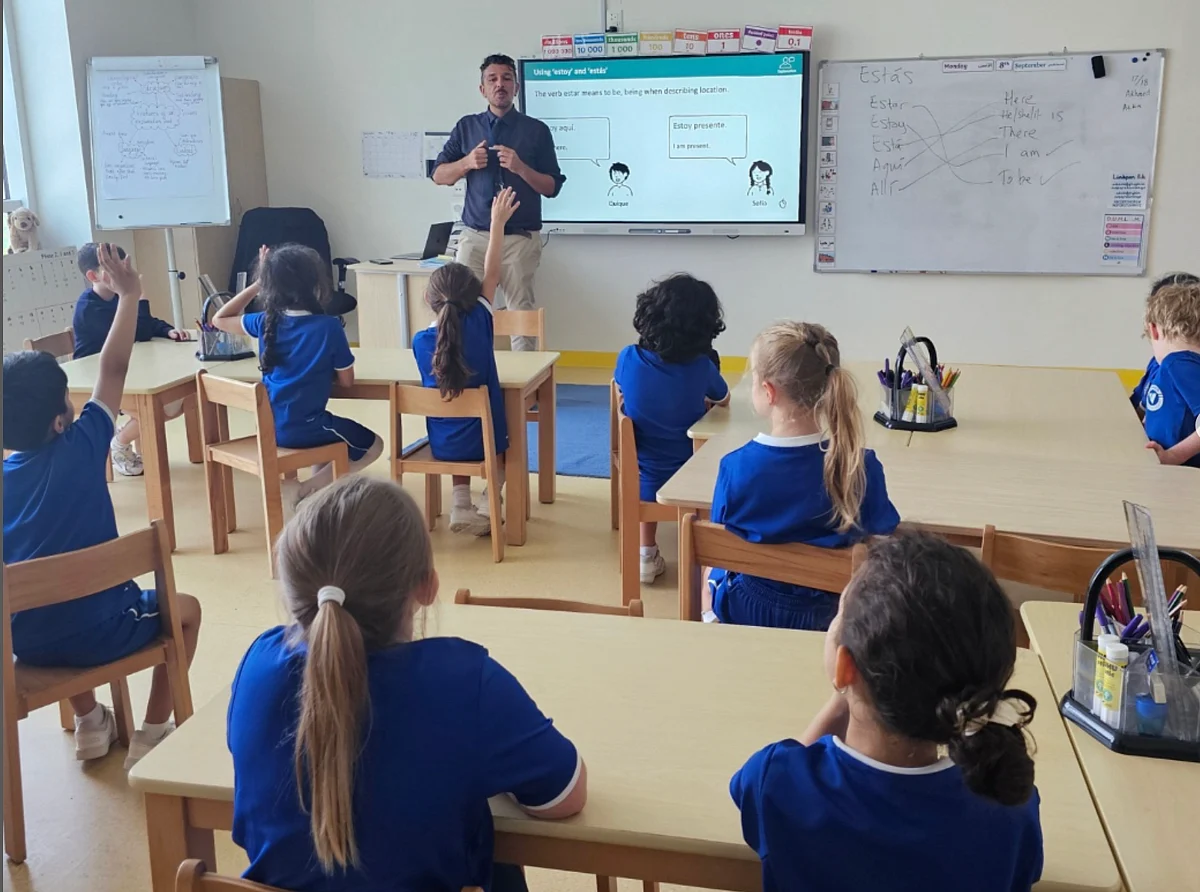
After weeks of distance learning, UAE schools are moving towards in-person education with new safety infrastructure, emergency protocols, and in some cases, staggered schedules in place. Moreover, teachers and staff will be trained in line with official guidelines. This information was conveyed in notices and emails sent out to parents by schools on Friday.
Schools in both Abu Dhabi and Dubai must meet clear regulations before welcoming students back. In Abu Dhabi, institutions are awaiting approval from the Department of Education and Knowledge (ADEK) under its ‘Safe Education’ protocol, while Dubai schools must pass an inspection by the Knowledge and Human Development Authority (KHDA) before resuming face-to-face learning.
Some campuses have been physically reconfigured to respond to potential alerts. Designated internal safe zones have been identified for every year group. These will be reinforced areas located away from windows and glass, reachable within one minute.
Stay up to date with the latest news. Follow KT on WhatsApp Channels.
The revised protocols have been rolled out in order to ensure the safety of all students and staff as they return to in-person learning as well as out of an abundance of caution and preparedness amid the regional conflict.
On Wednesday, the Ministry of Education announced that UAE schools could resume in-person education starting from Monday, April 20. However, some schools will continue to be fully online until they receive the required approvals.
Other measures
All teaching, administrative and supervisory staff have been undergoing thorough training on new emergency protocols. This will ensure that they know exactly what to do in the future in case of emergency alerts.
One such protocol involves schools adopting a calm approach on how students are notified in such a situation. Staff will use calm verbal instruction to guide students to shelters, as opposed to sounding alarms that might trigger panic, reflecting the authorities’ emphasis on emotional as well as physical safety.
Schools have laid out detailed plans that also include what to do if alerts occur during pick-up/drop-off times. If an alert is received while the child is being dropped off to school, the parent must shelter in the building until the safe message is received. If an alert is sounded at dismissal time, the students will stay indoors until it’s safe to venture out again.
To prevent crowding, some schools have now redesigned their daily schedules to stagger the arrival and dismissal times by year groups across designated entrances. Only one guardian may accompany or collect a child, and all adults on premises must wear a visible identification lanyard and report to security. Gatherings at school gates are explicitly prohibited.
Beyond the above, different schools are adopting additional measures at their discretion. In some schools, students will stay indoors for their morning assemblies, breaks, and PE lessons. Canteens will remain closed in some while yet others will encourage students to buy their food and avoid gathering in the area. School bus services will remain suspended and the decision will be reviewed on a weekly basis. For families preferring to keep children at home, authorities will allow schools to continue providing remote learning. Some schools will dedicate their first day back to go over safety drills and rehearse emergency procedures before regular lessons resume.
ملاحظة تحريرية | Editorial Note: نُشر هذا المقال في الأصل بواسطة Khaleej Times. خبر (Khabr) هي منصة إعلامية أردنية مرخّصة تعمل بالذكاء الاصطناعي. نضيف قيمة تحريرية من خلال: تحليل ذكي للأخبار، ملخصات تلقائية، رواية صوتية بالذكاء الاصطناعي، ترجمة متعددة اللغات، وتدقيق الحقائق. هدفنا جعل الأخبار أكثر وضوحاً وسهولةً للقارئ العربي.
This article was originally published by Khaleej Times. Khabr is a licensed Jordanian AI-powered news platform (Registration #82086). We add editorial value through: AI-powered news analysis, automated summaries, AI audio narration, multi-language translation (Arabic, English, French, Turkish), and AI fact-checking. Our mission is to make news more accessible and understandable for Arabic-speaking audiences worldwide.