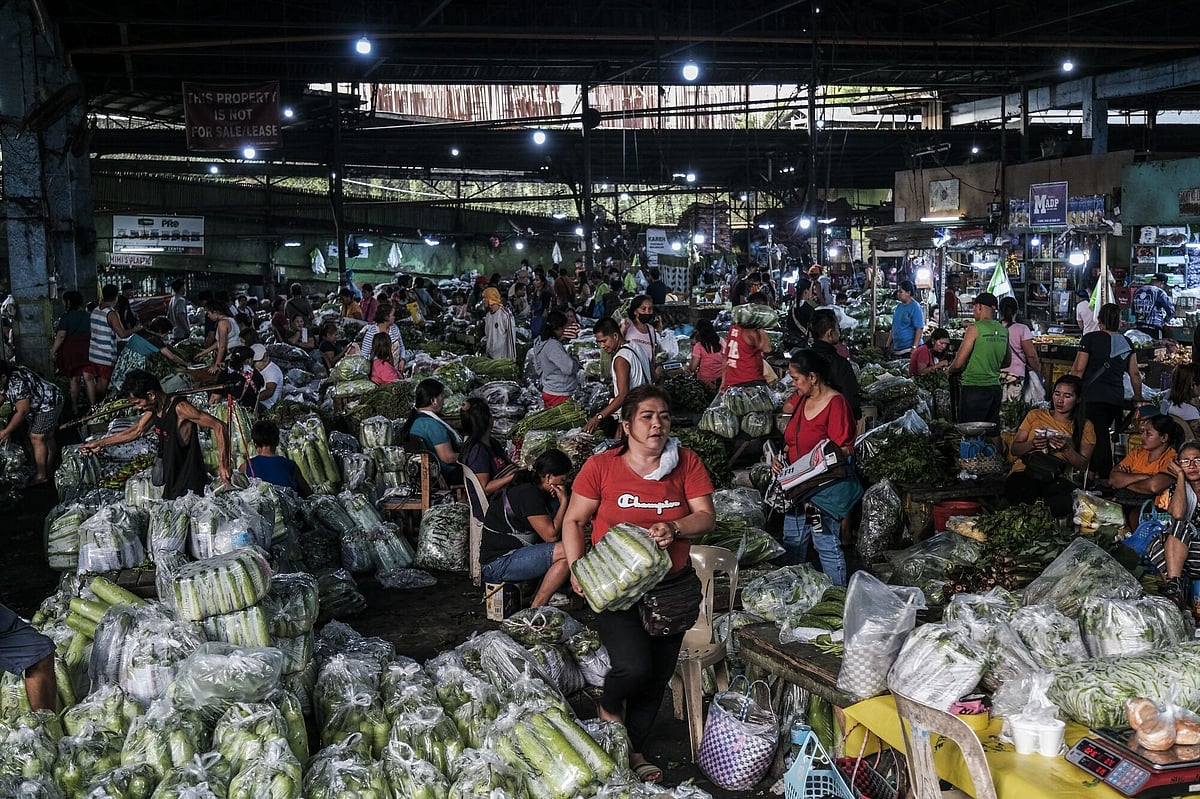
Philippine inflation accelerates to 4.1% in March amid rising fuel, food costs
المصدر: Gulf News | Source: Gulf NewsDubai: Philippine inflation has picked up sharply in March, rising to 4.1 percent year-on-year from 2.4 percent in February, exceeding the central bank’s forecast range of 3.1 to 3.9 percent for the month.
The increase has been driven by growing price pressures brought by higher energy and food costs.
Average inflation for the first quarter of this year has stood at 2.8 percent. This remains below the Bangko Sentral ng Pilipinas (BSP)’s full-year target of 3.0 percent, though still within its tolerance range of plus or minus one percentage point.
Get updated faster and for FREE: Download the Gulf News app now - simply click here.Low-income households hit harder
Inflation has risen more among lower-income groups, with households in the bottom 30 percent seeing growth climb up from 2.5 percent in February to 4.2 percent in March. This reflects the heavier impact of food and fuel costs on more vulnerable segments of the population.
In a statement, BSP has noted that the main driver behind the inflation spike was the rise in domestic petroleum prices. Global oil supply disruptions that have been linked to the geopolitical situation in the Middle East pushed fuel costs higher, reflecting into transport and utility expenses.
“Food inflation likewise increased due to higher domestic rice prices. Farmgate prices rose due to the lean season, while postharvest, transport, and logistics costs for rice also increased due to higher fuel prices,” said BSP.
Month-on-month spike
On a month-on-month basis, inflation has also hiked with seasonally adjusted figures jumping from 0.4 percent in February to 1.6 percent in March.
“Core inflation, which excludes volatile food and energy items, also increased from 2.9 percent in February to 3.2 percent in March,” stated BSP.
Central bank on alert
With this, the Philippine central bank is set to implement “sustained vigilance” to keep track of mounting risks.
“The BSP will carefully consider incoming data at its upcoming monetary policy meeting to assess the need for action in keeping with its price stability mandate.”
As global oil markets remain sensitive to ongoing developments, inflation trends in countries like the Philippines will continue to be influenced by external factors, with the government executing conservatory measures to somehow soften its impact.
ملاحظة تحريرية | Editorial Note: نُشر هذا المقال في الأصل بواسطة Gulf News. خبر (Khabr) هي منصة إعلامية أردنية مرخّصة تعمل بالذكاء الاصطناعي. نضيف قيمة تحريرية من خلال: تحليل ذكي للأخبار، ملخصات تلقائية، رواية صوتية بالذكاء الاصطناعي، ترجمة متعددة اللغات، وتدقيق الحقائق. هدفنا جعل الأخبار أكثر وضوحاً وسهولةً للقارئ العربي.
This article was originally published by Gulf News. Khabr is a licensed Jordanian AI-powered news platform (Registration #82086). We add editorial value through: AI-powered news analysis, automated summaries, AI audio narration, multi-language translation (Arabic, English, French, Turkish), and AI fact-checking. Our mission is to make news more accessible and understandable for Arabic-speaking audiences worldwide.