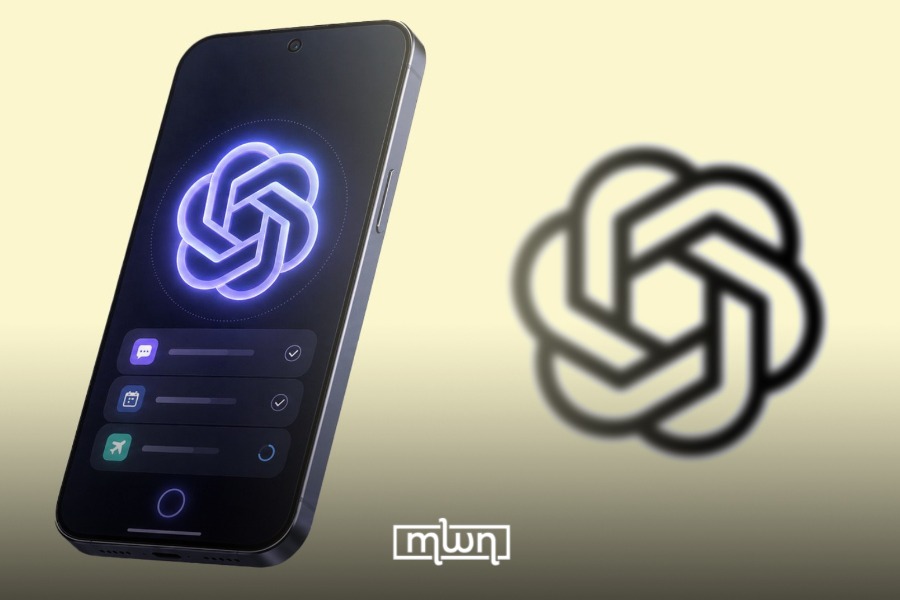
Fez – OpenAI is moving closer to launching its own smartphone, marking a significant shift from software services to consumer hardware.
According to Al Jazeera, the company is working with major chipmakers including Qualcomm and MediaTek, along with manufacturing partner Luxshare, to develop a new generation of AI-powered devices.
The project reflects OpenAI’s growing ambition to build its own hardware ecosystem and bring its technology closer to users.
Instead of relying on applications or web platforms, the company is exploring a model with a fully embedded artificial intelligence-based operating system.
At the core of the planned phone is a different user experience.
Rather than navigating through apps, users would interact with an AI agent capable of performing tasks directly.
This includes browsing services, making purchases, or managing daily needs without switching between applications.
The concept points to a future where apps are no longer central to the smartphone experience.
This approach stands in contrast to current systems controlled by companies such as Apple and Google, where AI tools operate within strict permission frameworks.
OpenAI aims to give its AI agents broader access to device functions, allowing deeper and more seamless integration.
The company is also expected to develop the full technology stack behind the device, including hardware design, operating system, and custom chips, in a model similar to Apple’s vertically integrated strategy.
Reports also point to collaboration with designer Jony Ive, who played a key role in shaping the iPhone, adding credibility to the project’s design ambitions.
Market reaction has already been notable. Shares of Qualcomm rose sharply following reports of the partnership, reflecting strong investor interest in the initiative.
As for timing, OpenAI has indicated it may unveil its first consumer device in the second half of 2026.
Other projections suggest an earlier announcement, with mass production potentially beginning in 2028.
The move comes amid broader internal changes at OpenAI, including a shift toward a more profit-driven structure and evolving partnerships.
The company has expanded its alliances beyond Microsoft and is building new ties with Amazon.
Entering the hardware market would mark a major step in OpenAI’s evolution.
By developing its own devices, the company is positioning itself closer to end users and aiming to play a central role in the next phase of AI-driven technology.
The post OpenAI Targets Smartphones With AI-First Device Strategy appeared first on Morocco World News.