NHS could be flooded with lawsuits from female staff over trans women using single-sex toilets
•The NHS could be flooded with thousands of lawsuits from female staff over trans women using single-sex toilets.
•A NHS employee in Leeds was successful in suing health service bosses this week, arguing she was discriminated against and harassed because transgender colleagues were told they were able to use singl...
•The NHS employee, a Muslim woman, who cannot be named for reporting reasons, did not see any transgender women in the any of the facilities she used.
هذا الخبر من GB News. خبر يقدم أدوات ذكاء اصطناعي للتلخيص والترجمة والاستماع.
المصدر: GB News | Source: GB NewsThe NHS could be flooded with thousands of lawsuits from female staff over trans women using single-sex toilets.
A NHS employee in Leeds was successful in suing health service bosses this week, arguing she was discriminated against and harassed because transgender colleagues were told they were able to use single-sex facilities, such as showers and toilets.
As part of her argument, she referenced the policies adopted by NHS England which allowed transgender staff to use facilities according to their chosen gender, which were implemented in 2017.
The NHS employee, a Muslim woman, who cannot be named for reporting reasons, did not see any transgender women in the any of the facilities she used.
TRENDINGStoriesVideosYour SayHowever, Leeds Employment Tribunal upheld her complaint on the basis the policy created a hostile environment, concluding she was harassed based on her biological sex, the Daily Mail reports.
NHS England is yet to update the policy since the Supreme Court unanimously ruled a "woman" and "sex" under the Equality Act 2010 exclusively applies to the biological sex assigned at birth.
Many trusts, in which NHS England advises, are still awaiting guidance from the body.
The woman's complaint was triggered after she received an email about a colleague's gender transition and was asked to attend a trans awareness session, prompting her to raise formal objections.
She argued the policy discriminated against women generally, Muslim women specifically, and women with post-traumatic stress disorder caused by male sexual violence.
The tribunal ruled that NHS England had failed to demonstrate its policy was a proportionate means of achieving the legitimate aim of making transgender people feel included.
The woman could now receive up to £25,000 in compensation, with legal experts warning individual trusts could face legal bills running into hundreds of thousands of pounds if similar claims are launched across the health service,
Elizabeth McGlone, managing partner of Didlaw, the law firm that represented the claimant, said the ruling opened the door to large-scale group legal action.
She said: "You could now have massive group claims. On the premise of the facts of this case, that gives women who are in this position in local authority or public body employers the grounds to bring a claim.
LATEST DEVELOPMENTS
- Ex-BBC chief claims broadcaster has succumbed to 'progressive madness' in transgender coverage
- Choir members sue charity after being 'banned from singing for founder's gender-critical views'
- Australia branded 'laughing stock' over trans woman's payout for being banned from girls-only app
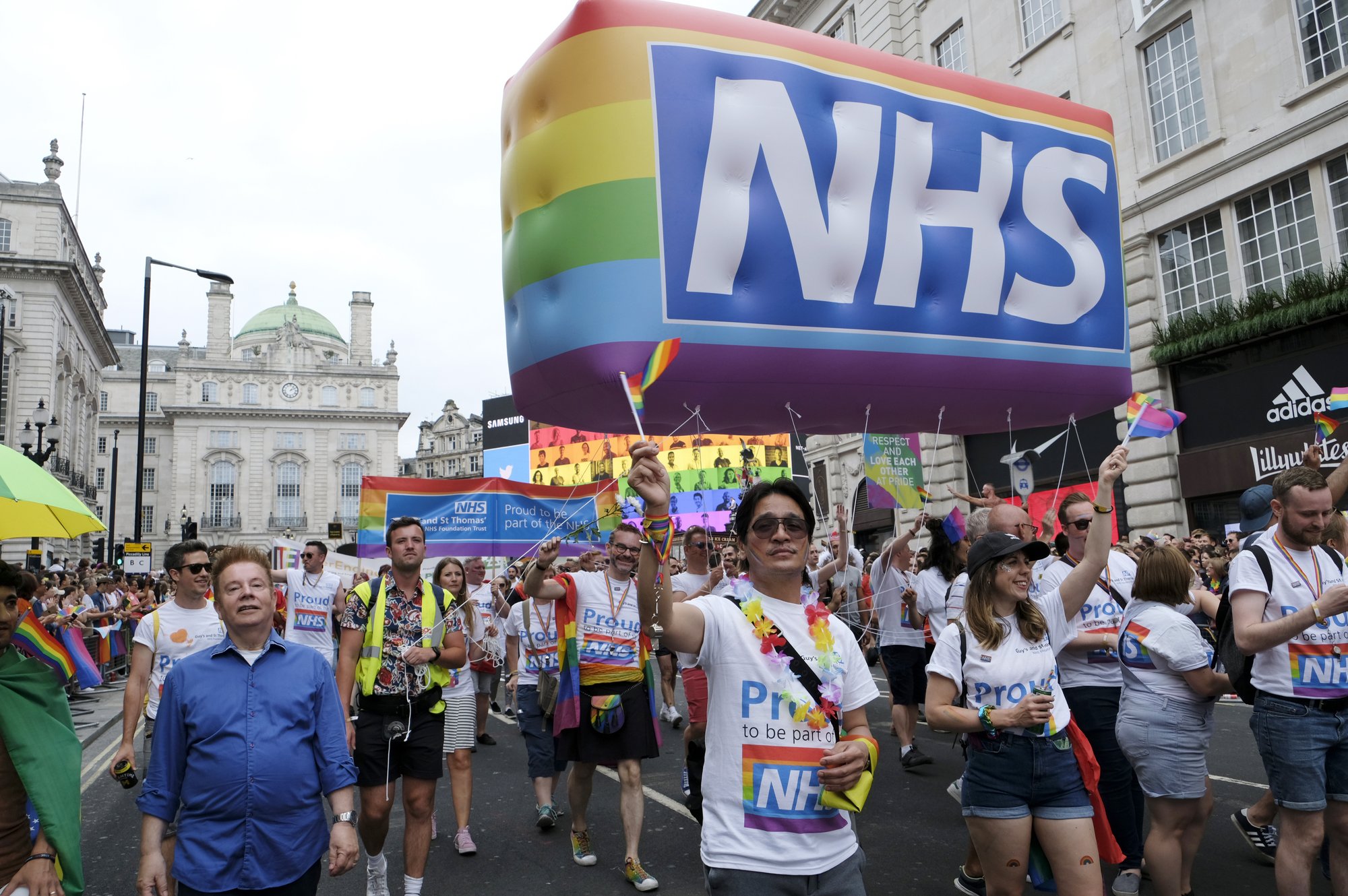
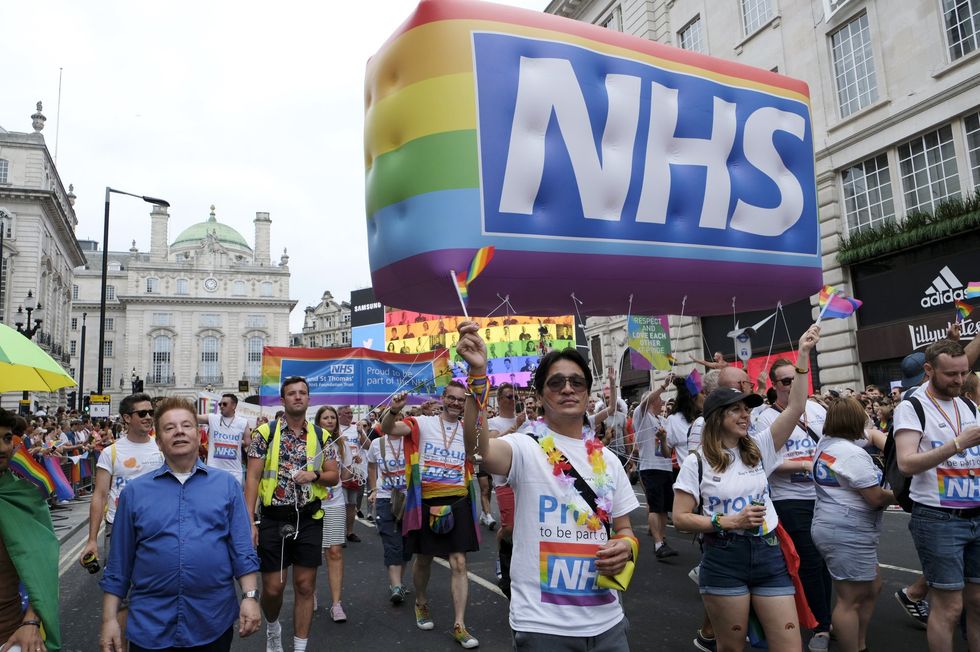
"We're talking about every council in the country that flies its Progress flag, its trans-inclusion flag and then actually has facilities that don't protect biological women in a safe space."
On the Equality and Human Rights Commission's failure to publish guidance following last year's Supreme Court ruling, she said: "Everybody is excusing themselves on the basis that we're just waiting on the EHRC guidance.
"Well that's nonsense, because the Supreme Court ruling is entirely clear. It's just fear. And it is just procrastination to the highest level."
An audit, run by the Daily Mail last month, found that 97 per cent of 190 NHS trusts in England with inpatient facilities still had outdated policies permitting transgender biological males to use women-only spaces including wards, changing rooms and toilets.
While some trusts have withdrawn their previous guidance in light of the Supreme Court ruling, critics point out that no replacement policies have been put in place, meaning the situation on the ground has effectively remained unchanged.
Ministers have been sitting on EHRC guidance on how to implement the Supreme Court ruling since September, with many public bodies claiming they were unable to act until that guidance was published.
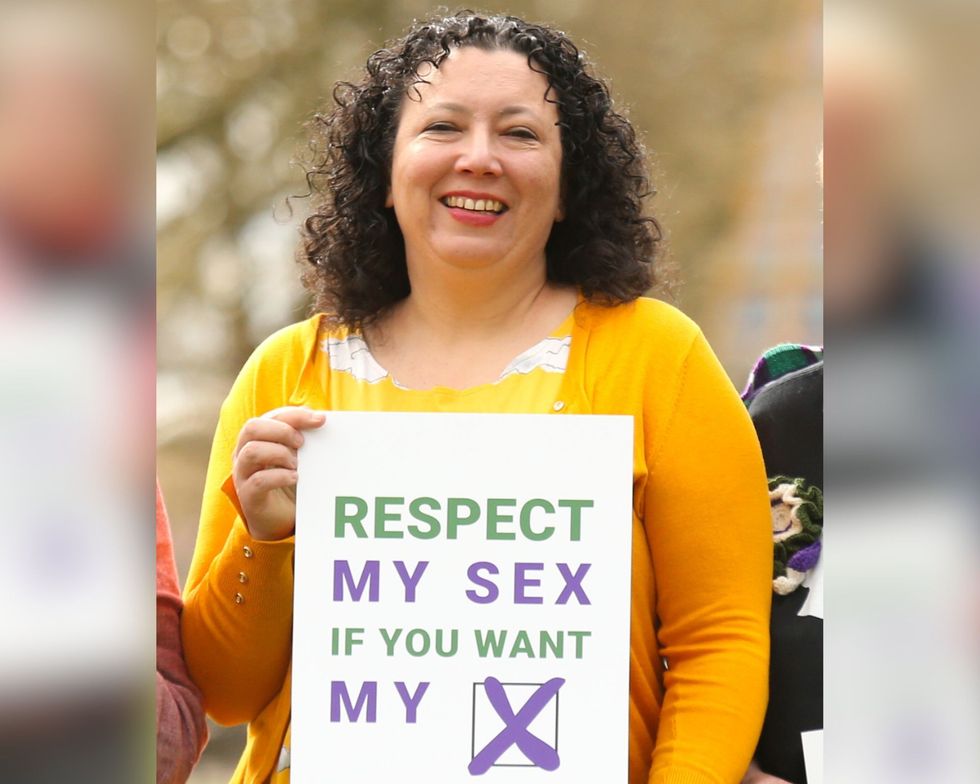
Maya Forstater, chief executive of sex-based rights charity Sex Matters, described the situation as deeply troubling.
She argued the ruling demonstrated that any female NHS employee with objections to the existing policy could potentially bring a successful claim.
The charity chief executive warned that after years of repeated warnings to bring policies in line with the law, further delays were no longer acceptable.
She added that it was shameful the NHS had required individual women to take legal action before it felt compelled to take seriously their rights to privacy, dignity and safety.
Ministers have pledged to publish the EHRC guidance before the end of the month.
An NHS England spokesman said the organisation recognised the need for revised guidance on single-sex spaces and would consider the tribunal's findings as it developed a new policy, while declining to comment on the specific employment matter.
Our Standards: The GB News Editorial Charter
ملاحظة تحريرية | Editorial Note: نُشر هذا المقال في الأصل بواسطة GB News. خبر (Khabr) هي منصة إعلامية أردنية مرخّصة تعمل بالذكاء الاصطناعي. نضيف قيمة تحريرية من خلال: تحليل ذكي للأخبار، ملخصات تلقائية، رواية صوتية بالذكاء الاصطناعي، ترجمة متعددة اللغات، وتدقيق الحقائق. هدفنا جعل الأخبار أكثر وضوحاً وسهولةً للقارئ العربي.
This article was originally published by GB News. Khabr is a licensed Jordanian AI-powered news platform (Registration #82086). We add editorial value through: AI-powered news analysis, automated summaries, AI audio narration, multi-language translation (Arabic, English, French, Turkish), and AI fact-checking. Our mission is to make news more accessible and understandable for Arabic-speaking audiences worldwide.