⚡ عاجل: كريستيانو رونالدو يُتوّج كأفضل لاعب كرة قدم في العالم●⚡ أخبار عاجلة تتابعونها لحظة بلحظة على خبر●⚡ تابعوا آخر المستجدات والأحداث من حول العالم●
AI اقتراحات ذكية
AI مباشر|--مشاهد مباشر
1,063,693مقال401مصدر نشط228قناة مباشرة3,489خبر اليوم
آخر تحديث:منذ 4 ثواني
NFC reform urged to keep population from burgeoning
•• Lawmakers push to end over-reliance on population for funding; suggest tying resource distribution to human development metrics• Demographic dividend has become a demographic drag, says Sherry• UN o...
•The cross-party consensus emerged during a pre-budget session of the Parliamentary Forum on Population (PFP), which convened more than 40 parliamentarians from federal and provincial legislatures to t...
•The session was organised by the Population Council with support from the United Nations Population Fund (UNFPA).
هذا الخبر من Dawn. خبر يقدم أدوات ذكاء اصطناعي للتلخيص والترجمة والاستماع.
• Lawmakers push to end over-reliance on population for funding; suggest tying resource distribution to human development metrics • Demographic dividend has become a demographic drag, says Sherry • UN official says family planning a ‘sound economic investment’
ISLAMABAD: Lawmakers across the political spectrum emphasised an urgent need to reform the NFC formula by reducing its over-reliance on population as a metric and take decisive action to address rapid population growth ahead of the 2026-27 federal budget.
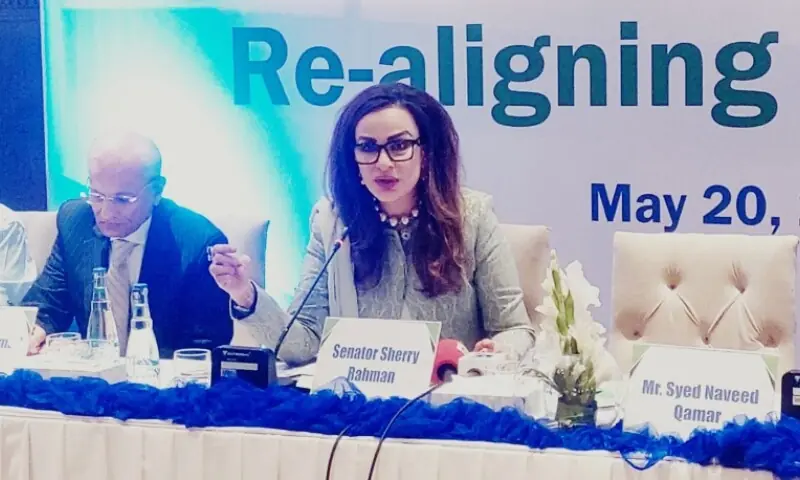
The cross-party consensus emerged during a pre-budget session of the Parliamentary Forum on Population (PFP), which convened more than 40 parliamentarians from federal and provincial legislatures to translate political commitments on population stabilisation into concrete budgetary action.
The session was organised by the Population Council with support from the United Nations Population Fund (UNFPA).
Senator Sherry Rehman, chairperson of the PFP, underscored the gravity of the issue while chairing the session, calling for stronger political ownership across all legislatures.
“Population is a ticking time bomb for every resource this country generates,” Rehman said.
Senator Rehman warned that Pakistan is headed towards a population explosion that threatens basic rights and the country’s long-term sustainability.
“Our population is projected to reach 390 million by 2050, an alarming 62 per cent increase. By then, 256 million people will be in the job market, more than our existing total population,” she said, adding, “This is no longer a demographic dividend; it has become a demographic drag.”
Rehman highlighted the direct impact on human welfare, noting that 40pc of children under five are stunted due to chronic malnourishment and 42pc of the population lives below the poverty line.
“Forty per cent stunting should be enough of a wake-up call for all of us,” she said. “We defend many frontiers as a nation, but these are our real trenches.”
She called for the immediate removal of the tax on contraceptives and emphasised that population must be framed as both a national and family issue requiring sustained parliamentary oversight.
Adnan Pasha Siddiqui, adviser to the Minister of Finance on Special Initiatives, delivered the keynote address, highlighting population growth as a central macroeconomic challenge for Pakistan.
“Had population growth been better managed over the years, Pakistan’s GDP and per capita income would be significantly higher today,” he noted.
Siddiqui outlined the need for fiscal and structural reforms, including revisiting the National Finance Commission (NFC) formula and advancing a long-term National Population Stabilisation Programme, warning that population pressures will continue to undermine economic competitiveness.
Senior economist Dr Hanid Mukhtar observed that Pakistan allocates only a modest share of public spending to population-related priorities, terming it “not a lack of resources, but a lack of fiscal priority”.
This was echoed by Dr Melania Hidayat, International Family Planning advisor at UNFPA Pakistan, who highlighted a significant financing gap. “Family planning is not only a vital health intervention, but also a sound economic investment that delivers substantial social and economic returns,” she stated, urging policymakers to remove the contraceptive tax through the Finance Bill.
In a plenary discussion moderated by MNA Dr Farooq Sattar participants reiterated the need to link resource allocation with human development indicators, address regional disparities, and strengthen last-mile service delivery.
Concluding the session, Naveed Qamar, chairman of the National Assembly Standing Committee on Finance and Revenue, reaffirmed the Parliament’s commitment to accountability and stressed that budgetary allocations for population and family planning would be closely reviewed.
ملاحظة تحريرية | Editorial Note:
نُشر هذا المقال في الأصل بواسطة Dawn.
خبر (Khabr) هي منصة إعلامية أردنية مرخّصة تعمل بالذكاء الاصطناعي.
نضيف قيمة تحريرية من خلال: تحليل ذكي للأخبار، ملخصات تلقائية، رواية صوتية بالذكاء الاصطناعي، ترجمة متعددة اللغات، وتدقيق الحقائق.
هدفنا جعل الأخبار أكثر وضوحاً وسهولةً للقارئ العربي.
This article was originally published by Dawn.
Khabr is a licensed Jordanian AI-powered news platform (Registration #82086).
We add editorial value through: AI-powered news analysis, automated summaries, AI audio narration, multi-language translation (Arabic, English, French, Turkish), and AI fact-checking.
Our mission is to make news more accessible and understandable for Arabic-speaking audiences worldwide.
هذا الخبر ضمن تغطية خبر لقسم سياسة.
نقدّم لك تحليلات ذكية وملخصات يومية لأهم الأخبار من مصادر موثوقة متعددة.
المصدر: Dawn.
يوجد 6 مقالات مرتبطة بهذا الموضوع.
This article is part of Khabr's coverage of Politics.
We provide AI-powered analysis, summaries, and multi-source aggregation to keep you informed.
Source: Dawn.
Tags: NFC reform, population, government.
🍪 نستخدم ملفات تعريف الارتباط لتحسين تجربتك وعرض الإعلانات المخصصة. باستخدامك للموقع، فإنك توافق على سياسة ملفات تعريف الارتباط وسياسة الخصوصية.
We use cookies to enhance your experience and show personalized ads. By using this site, you agree to our Cookie Policy and Privacy Policy.
🔍
FREEFree 1GB Internet + Free International Calls
$1 trial — eSIM in 190+ countries — No roaming charges