⚡ عاجل: كريستيانو رونالدو يُتوّج كأفضل لاعب كرة قدم في العالم●⚡ أخبار عاجلة تتابعونها لحظة بلحظة على خبر●⚡ تابعوا آخر المستجدات والأحداث من حول العالم●
AI اقتراحات ذكية
AI مباشر|--مشاهد مباشر
901,165مقال401مصدر نشط228قناة مباشرة5,192خبر اليوم
آخر تحديث:منذ ثانية
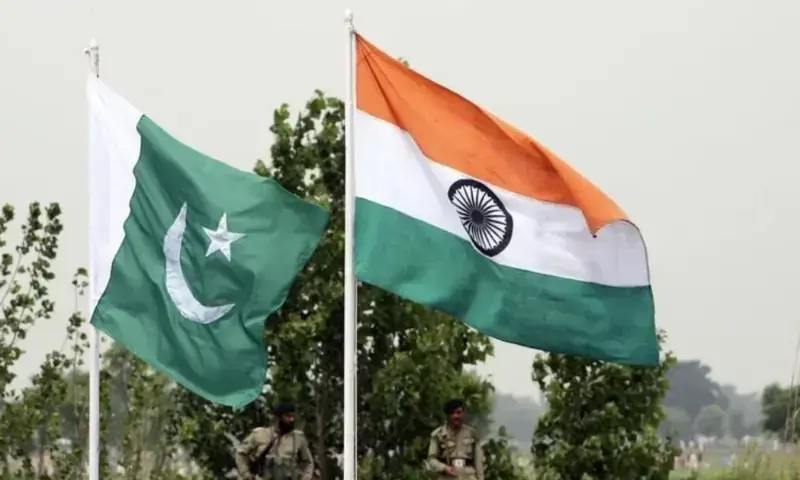
Next India-Pakistan conflict may be ‘more dangerous’, analysts warn
•WASHINGTON: On the first anniversary of the May 2025 India-Pakistan conflict, a growing body of commentary from US and international analysts suggests that the next such crisis between the two nuclear...
•In a piece published on Tuesday, The Washington Post warned that the world may be underestimating the risks.
•“You know the world scene is chaotic when we’re approaching the first anniversary of a shooting war between two hostile nuclear powers and very few Americans remember it,” the newspaper noted, adding...
هذا الخبر من Dawn. خبر يقدم أدوات ذكاء اصطناعي للتلخيص والترجمة والاستماع.
WASHINGTON: On the first anniversary of the May 2025 India-Pakistan conflict, a growing body of commentary from US and international analysts suggests that the next such crisis between the two nuclear-armed neighbours is not only more likely, but will prove dangerous with fewer opportunities for outside powers to contain it.
In a piece published on Tuesday, The Washington Post warned that the world may be underestimating the risks. “You know the world scene is chaotic when we’re approaching the first anniversary of a shooting war between two hostile nuclear powers and very few Americans remember it,” the newspaper noted, adding that another crisis is “probably not a question of if, but when.”
The editorial described the May 2025 conflict as a new form of “non-contact” war, involving missiles, drones and air power without a ground invasion. It cautioned that both sides may now believe they can fight a limited conventional war without triggering nuclear escalation — a conclusion that could prove dangerously flawed.
WaPo also pointed to shifting diplomatic dynamics under President Donald Trump. While acknowledging that US officials “worked the phones and helped calm the situation”, it also highlighted Indian unease over Trump’s repeated claims that he brokered the ceasefire.
US media, think tanks highlight shifting diplomatic dynamics under Trump
“A strong sense of independence and sovereignty is extraordinarily important in Indian political culture,” the editorial observed, warning that strained ties could affect Washington’s ability to mediate in a future crisis.
An earlier report by the Congressional Research Service (CRS), the research arm of the US Congress, drew attention to another potential flashpoint: water.
The CRS noted that “the government of India has not presented evidence of a Pakistani link to the attack,” yet responded by placing the 1960 Indus Waters Treaty “in abeyance.”
The report underscored the gravity of this move, pointing out that Islamabad considers water a “Vital National Interest” and has warned that any attempt to disrupt flows “will be considered as an Act of War.”
With around 80 per cent of Pakistan’s agriculture dependent on the Indus basin, analysts say water tensions could emerge as a parallel escalation pathway alongside military confrontation.
Environmental risks were also the focus of a recent report by the Centre for Strategic and Contemporary Research (CSCR), which argues that the consequences of conflict extend far beyond the battlefield.
“The most significant, yet often overlooked, impact of war is on the environment of the region,” the report states, warning that even a limited nuclear exchange could trigger “nuclear cooling” through the release of soot into the atmosphere. Such an event, it adds, could “cool, dry, and darken the earth for decades.”
The study cautions that an India-Pakistan nuclear conflict could disrupt global food systems, leading to a “nuclear famine” that might cause starvation on a massive scale.
Writing in Foreign Affairs, US scholar Elizabeth Threlkeld offered a more detailed look at how escalation dynamics are changing. “India and Pakistan are already using the last exchange to identify gaps to fill and advantages to exploit should fighting break out again,” she notes.
Threlkeld argues that the risk is shifting from deliberate escalation to inadvertent miscalculation. “That may reduce pressure for deliberate nuclear use, but it increases the risk of inadvertent escalation,” she writes, adding that future conflicts will likely involve “deeper strikes, shorter timelines, and new domains.”
She also cautions that Washington may struggle to respond effectively next time, particularly given friction with New Delhi. “Washington may struggle to support de-escalation in a faster-moving, unfamiliar crisis,” she warns.
On its part, the International Institute for Strategic Studies (IISS) highlighted how shifting diplomatic alignments are complicating the picture. It notes that “an additional area of tension, from India’s perspective, has resulted from Trump’s claim to have brokered a ceasefire”.
According to the institute, US-Pakistan ties have strengthened since the conflict, with high-level engagement between Washington and Pakistan’s leadership. Pakistan’s role in mediating talks related to the US-Iran crisis has further elevated its diplomatic standing, even as it fuels Indian concerns about a perceived tilt in US policy.
Taken together, these assessments point to a sobering conclusion: while the May 2025 conflict stopped short of nuclear escalation, it may have lowered the threshold for future confrontation.
ملاحظة تحريرية | Editorial Note:
نُشر هذا المقال في الأصل بواسطة Dawn.
خبر (Khabr) هي منصة إعلامية أردنية مرخّصة تعمل بالذكاء الاصطناعي.
نضيف قيمة تحريرية من خلال: تحليل ذكي للأخبار، ملخصات تلقائية، رواية صوتية بالذكاء الاصطناعي، ترجمة متعددة اللغات، وتدقيق الحقائق.
هدفنا جعل الأخبار أكثر وضوحاً وسهولةً للقارئ العربي.
This article was originally published by Dawn.
Khabr is a licensed Jordanian AI-powered news platform (Registration #82086).
We add editorial value through: AI-powered news analysis, automated summaries, AI audio narration, multi-language translation (Arabic, English, French, Turkish), and AI fact-checking.
Our mission is to make news more accessible and understandable for Arabic-speaking audiences worldwide.
هذا الخبر ضمن تغطية خبر لقسم سياسة.
نقدّم لك تحليلات ذكية وملخصات يومية لأهم الأخبار من مصادر موثوقة متعددة.
المصدر: Dawn.
يوجد 6 مقالات مرتبطة بهذا الموضوع.
This article is part of Khabr's coverage of Politics.
We provide AI-powered analysis, summaries, and multi-source aggregation to keep you informed.
Source: Dawn.
Tags: India, Pakistan, conflict, analysts.
🍪 نستخدم ملفات تعريف الارتباط لتحسين تجربتك وعرض الإعلانات المخصصة. باستخدامك للموقع، فإنك توافق على سياسة ملفات تعريف الارتباط وسياسة الخصوصية.
We use cookies to enhance your experience and show personalized ads. By using this site, you agree to our Cookie Policy and Privacy Policy.
🔍
FREEFree 1GB Internet + Free International Calls
$1 trial — eSIM in 190+ countries — No roaming charges