Moroccans Now Eat 23.6 Kg of Poultry Per Person Annually
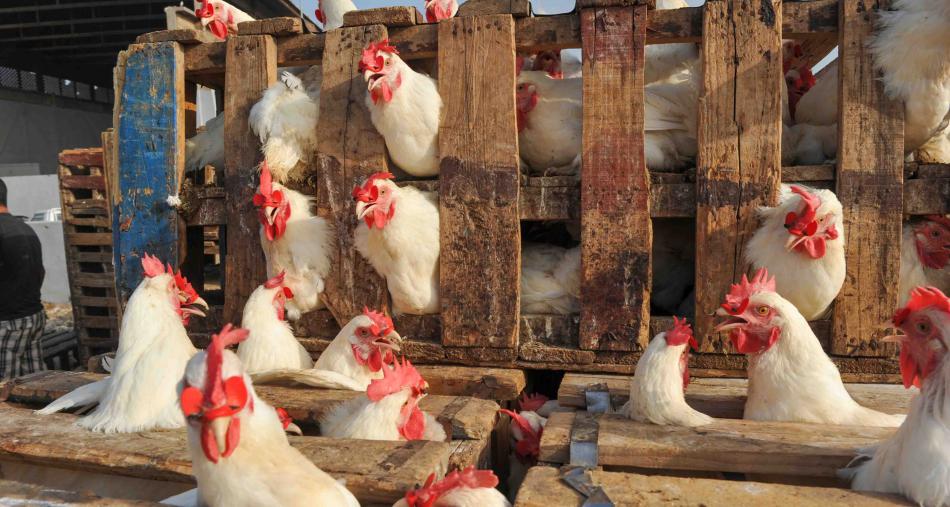
المصدر: Morocco World News | Source: Morocco World NewsMarrakech – Moroccans consumed an average of 23.6 kilograms of poultry meat per person in 2025, up from 20.9 kilograms just a year earlier.
The jump marks the highest per capita consumption the country has recorded in recent years, surpassing levels registered before the COVID-19 pandemic, according to data from Morocco’s Interprofessional Federation of the Poultry Sector (FISA).
The sector’s output kept pace with demand. Chicken production reached 654 million tons by end of December 2025, alongside 174 million tons of turkey. According to FISA, hatcheries produced 542 million broiler chicks and 16.6 million turkey chicks over the same period.
Morocco is Africa’s third-largest poultry producer, behind Egypt and South Africa. The three countries together account for roughly 64% of the continent’s total poultry meat output. Poultry now represents approximately 55% of all meat consumed in Morocco, making it the dominant protein source for households across income levels.
Egg consumption also climbed over the past year. Moroccans ate an average of 191 eggs per person in 2025, up from 171 in 2024 and 138 in 2010.
National production meanwhile hit 7.06 billion eggs, compared with 6.10 billion in 2019 and 3.7 billion in 2010. Despite the increase, per capita egg consumption did not break the record set in 2019, the last full year before the pandemic disrupted the sector.
Rising costs remain the sector’s persistent challenge
In terms of exports, Morocco shipped 55.2 million hatching eggs in 2025, down from 67.2 million a year earlier. Exports of day-old chicks totaled 1.37 million, compared with 2.36 million in 2021 and 841,000 in 2010.
Morocco began exporting poultry products in 2009. Its main markets are in Africa – Mauritania, Mali, Cameroon, Ivory Coast, Benin, Gabon, Tunisia, and the Central African Republic – along with Saudi Arabia and the United Arab Emirates.
Available export products include compound feed, hatching eggs, and day-old chicks across meat, egg, and turkey varieties. FISA data indicate the sector has sufficient production capacity to handle larger export volumes.
However, this growth has come in the context of persistent cost pressures. Feed inputs – primarily corn, soybean, and other grains – account for 60% to 70% of production costs. Morocco imports most of these commodities.
The prolonged drought has also reduced domestic cereal yields, exposing poultry producers to global price swings and currency risks. Retail poultry prices have themselves risen in recent years, exceeding MAD 25 ($2.50) per kilogram in several cities, drawing public frustration and parliamentary scrutiny.
In financial terms, cumulative investment in the poultry sector reached MAD 15.3 billion ($1.53 billion). The industry generated a turnover of MAD 48 billion ($4.8 billion) and provided 181,000 direct jobs. Including indirect employment, the broader sector supports an estimated 500,000 positions across the value chain.
Morocco’s poultry infrastructure is extensive. The country operates 49 compound feed factories, 50 hatcheries for egg-type chicks, and 8,929 broiler farms. It is also home to 1,298 turkey farms and 264 layer farms. Slaughtering is handled by 35 poultry abattoirs and six specialized slaughterhouses.
The downstream chain includes 66 poultry cutting units, 22 mechanically separated meat facilities, 167 meat preparation units, 34 egg grading and packing centers, and four egg processing plants.
Lifestyle changes added another layer of demand
The surge in poultry consumption has not occurred in isolation. Red meat prices in Morocco have climbed steadily over the past two years, with beef now averaging MAD 100 ($10) per kilogram and lamb reaching as high as MAD 130 to 140 ($13-14) in several cities.
Seven consecutive years of drought thinned the national cattle herd by roughly 30%, tightening supply and pushing households toward more affordable protein sources.
At the same time, a growing fitness and gym culture among younger Moroccans, particularly in urban centers, has fueled demand for lean, high-protein diets where chicken and eggs feature heavily.
The combination of economic pressure and shifting dietary habits has made poultry the default protein for a widening share of the population. Consumer interest in processed poultry products – nuggets, sausages, and ready-to-cook items – is also expanding.
In addition, Morocco’s Generation Green agricultural strategy has channeled public investment into cold-chain logistics, biosecurity upgrades, and slaughterhouse modernization. Still, industry observers note that the transition from informal to industrial slaughter is progressing slowly.
Casablanca hosted the Annual International Poultry Council meeting in April 2025, organized alongside FISA. The event brought together government officials, global executives, and sector specialists.
Morocco’s Agriculture Minister Ahmed El Bouari delivered the opening address, outlining the sector’s domestic and international outlook. The IPC represents more than 88% of global poultry meat production and 95% of international trade in the sector.
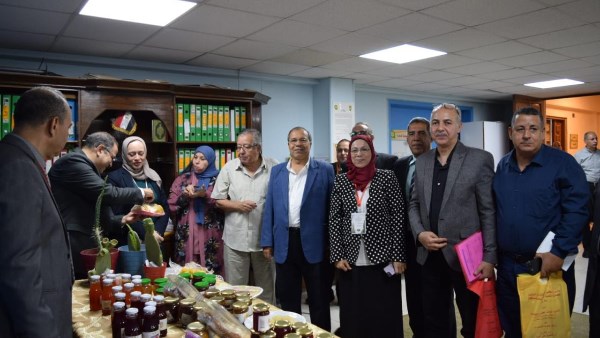
This data further comes as Meknes hosts the 18th edition of the International Agricultural Exhibition of Morocco (SIAM), running from April 20 to 28 under the theme “Sustainability of Animal Production and Food Sovereignty.”
Prince Moulay Rachid inaugurated the event on behalf of King Mohammed VI. Portugal is this year’s guest of honor. The exhibition brings together more than 1,500 exhibitors from over 70 countries and 45 foreign delegations, with an expected attendance exceeding 1.1 million visitors.
Spread across 370,000 square meters and structured around twelve thematic poles, SIAM 2026 has placed animal production at the center of its programming – a framing that gives the poultry sector’s latest numbers added weight.
El Bouari set the tone at the inaugural conference, noting that Morocco is emerging from seven consecutive years of drought, with the 2025-2026 cereal harvest projected at 90 million quintals, more than double last season’s 44 million.
Read also: Morocco Wastes 113 Kg of Food Per Person Annually, CESE Urges National Action Plan
The post Moroccans Now Eat 23.6 Kg of Poultry Per Person Annually appeared first on Morocco World News.
ملاحظة تحريرية | Editorial Note: نُشر هذا المقال في الأصل بواسطة Morocco World News. خبر (Khabr) هي منصة إعلامية أردنية مرخّصة تعمل بالذكاء الاصطناعي. نضيف قيمة تحريرية من خلال: تحليل ذكي للأخبار، ملخصات تلقائية، رواية صوتية بالذكاء الاصطناعي، ترجمة متعددة اللغات، وتدقيق الحقائق. هدفنا جعل الأخبار أكثر وضوحاً وسهولةً للقارئ العربي.
This article was originally published by Morocco World News. Khabr is a licensed Jordanian AI-powered news platform (Registration #82086). We add editorial value through: AI-powered news analysis, automated summaries, AI audio narration, multi-language translation (Arabic, English, French, Turkish), and AI fact-checking. Our mission is to make news more accessible and understandable for Arabic-speaking audiences worldwide.