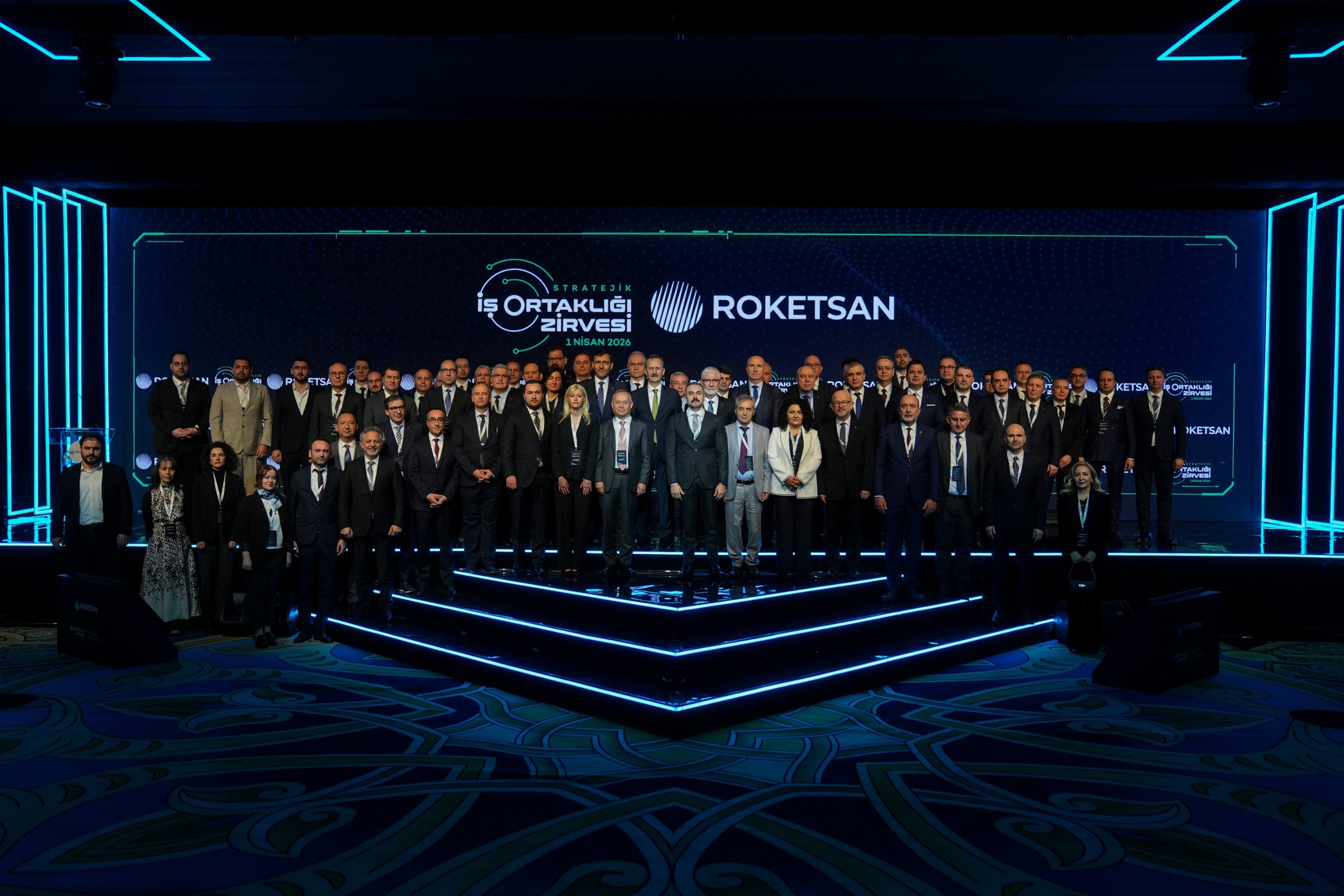
Made in Türkiye: Lessons from the Roketsan Strategic Summit
Modern warfare accelerated with the steam engine and came of age through industrial firepower. By the post-World War II era, air and space technologies had redefined military power, pushing nations like Türkiye into alliances such as NATO in 1952. Yet dependence came at a cost. When sanctions followed the 1974 Cyprus Peace Operation, Türkiye was forced to confront a hard truth: true security required a domestic defense industry. Efforts to nationalize land, naval and air systems began to bear fruit in the early 2000s. In the first quarter of the 21st century, the sector grew rapidly compared to its global competitors and entered the top 10 with an export capacity of $10 billion. With platforms such as the Altay tank, the Atak helicopter, the TCG Anadolu warship, unmanned aerial vehicles (UAVs), unmanned combat aerial vehicles (UCAVs), Kızılelma and others, the Turkish Defense Industry has transformed into a new-generation production model. Major contributions to this growth have come from companies such as Aselsan, Havelsan, STM, MKE and Baykar Technology.المصدر: Daily Sabah EN | Source: Daily Sabah EN
ملاحظة تحريرية | Editorial Note: نُشر هذا المقال في الأصل بواسطة Daily Sabah EN. خبر (Khabr) هي منصة إعلامية أردنية مرخّصة تعمل بالذكاء الاصطناعي. نضيف قيمة تحريرية من خلال: تحليل ذكي للأخبار، ملخصات تلقائية، رواية صوتية بالذكاء الاصطناعي، ترجمة متعددة اللغات، وتدقيق الحقائق. هدفنا جعل الأخبار أكثر وضوحاً وسهولةً للقارئ العربي.
This article was originally published by Daily Sabah EN. Khabr is a licensed Jordanian AI-powered news platform (Registration #82086). We add editorial value through: AI-powered news analysis, automated summaries, AI audio narration, multi-language translation (Arabic, English, French, Turkish), and AI fact-checking. Our mission is to make news more accessible and understandable for Arabic-speaking audiences worldwide.